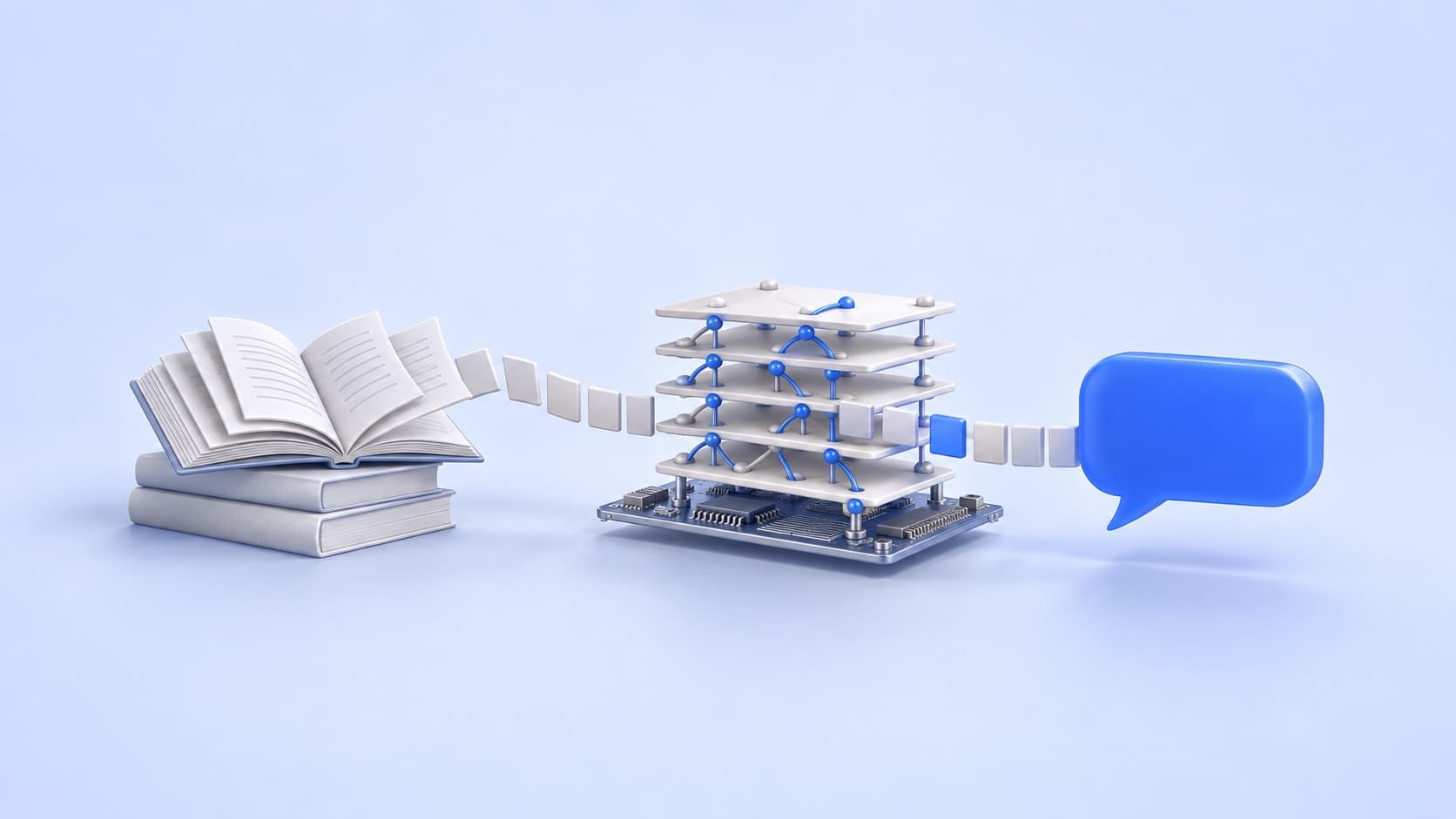
AI systems that predict words are called large language models, or LLMs. Their usual sequel has been agents, language models given tools, memory and a set of steps so they can do more than answer a question. But agents still mostly work inside software. The harder step is AI that has to understand a real place before a robot, vehicle or machine acts, a field known as physical AI. That is where world models come in.
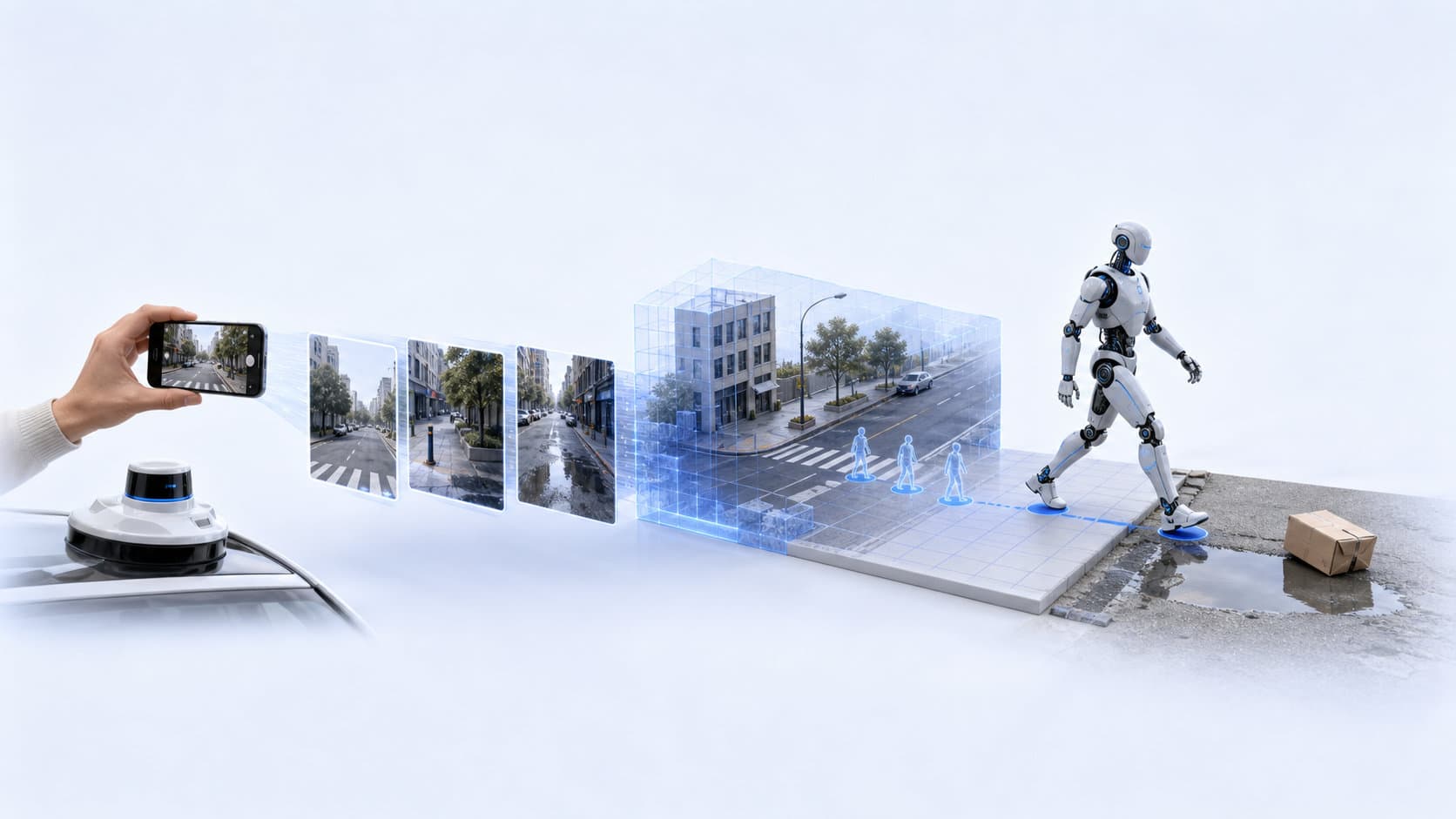
A world model is built to understand how the real world behaves, including physics and where things sit in space. Language models predict the next word, while world models try to predict the next state of a scene. For a robot, seeing the room is step one, and the harder part is working out what the room may become after the robot moves. Before it lifts a box or approaches a person, the model needs a way to test that next moment.
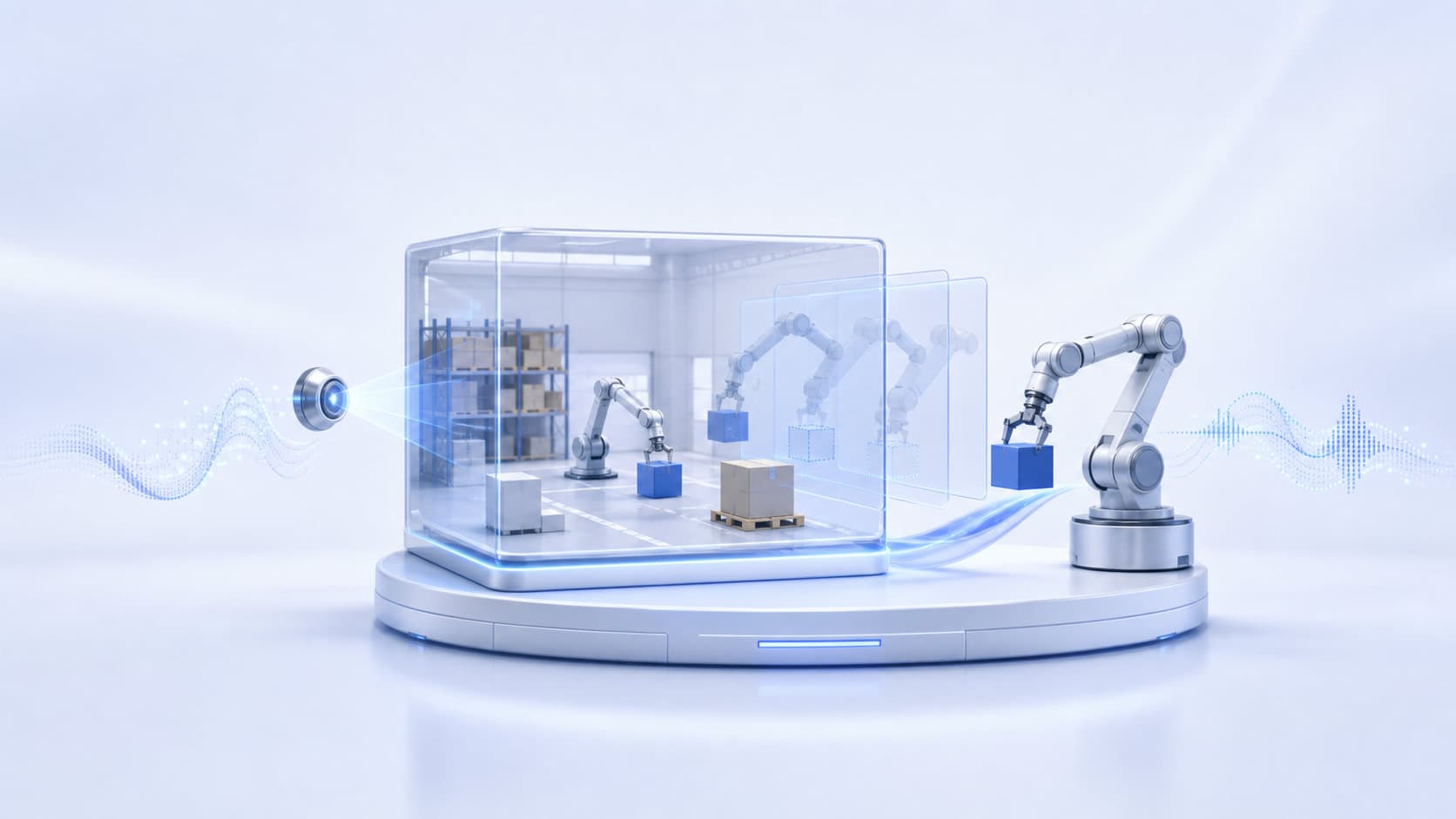
Physical AI needs that, because the real world does not wait politely for separate systems to agree. A warehouse robot may use one model to read its camera and another to plan a route. A third may simulate the outcome, and a fourth may move its arm or wheels. Inside what looks like one machine, several models pass partial answers down a chain.
The chain is where the trouble starts. If the robot turns badly or reaches too far, the fault can hide anywhere. The vision model may have misread the room, or the simulator may have predicted a cleaner scene than the real one. The machine fails in one moment, but the cause is spread across the chain.
NVIDIA, the AI chip maker, built Cosmos 3 to shrink that handoff problem. The company’s announcement calls it an open model for physical AI, so outside builders can use it as a starting base rather than a blank page.
Robotics stays hard, because real environments still require testing, strong data and careful deployment. But the model is built to join three jobs that often sit apart: reading the scene, predicting what comes next and linking the prediction to an action.