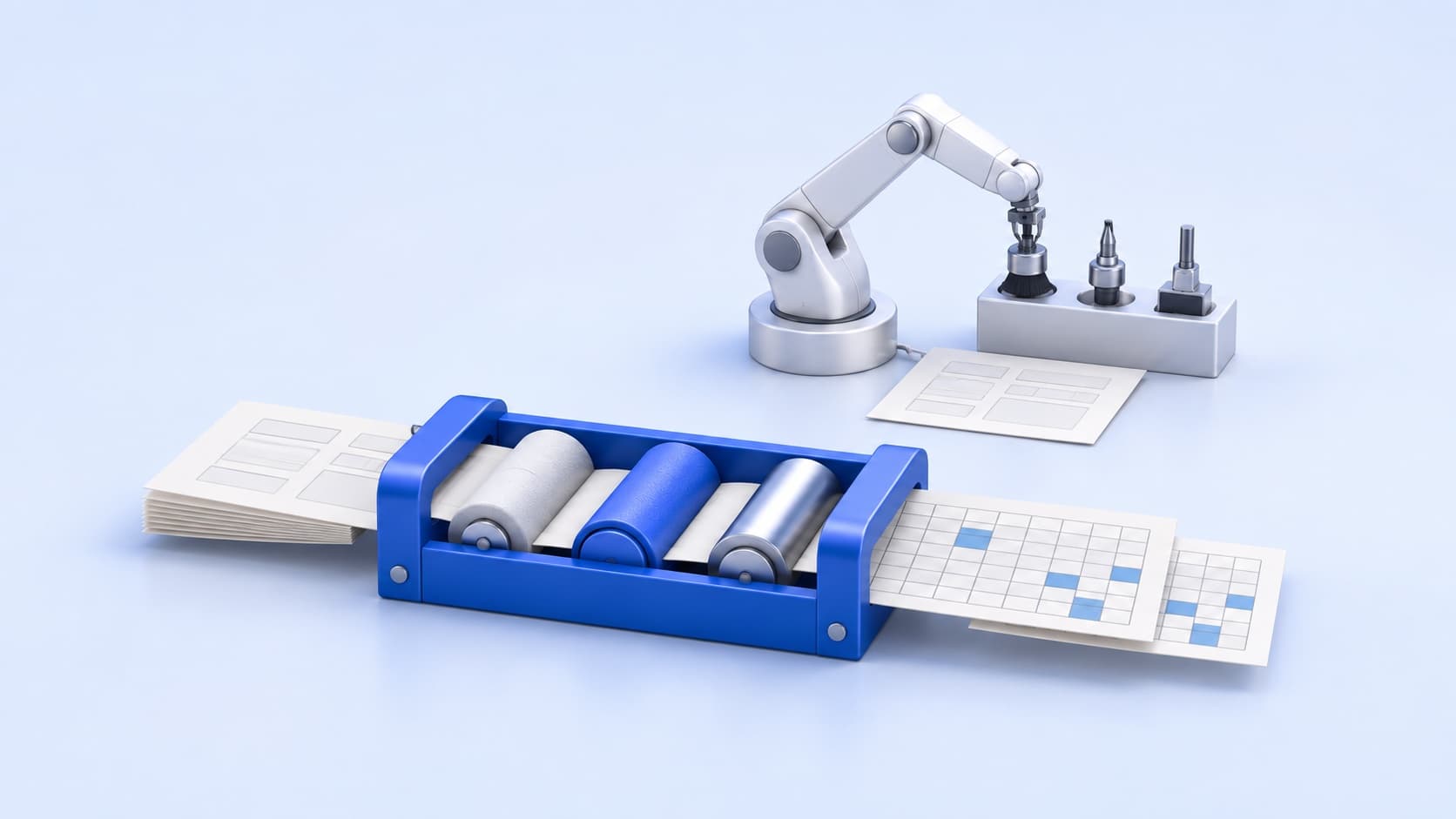
A chief executive drew up a list of automation targets inside his company. One department was so stuck behind manual work that the business planned to hire two more people. Five steps turn a department like that into a running process, and none starts with picking a tool.
Every automation project starts on paper, with the problem and the reason it happens. Written down precisely, they show which step is manual, which needs no person, and which system blocks the handoff. “The reporting process is slow” does not count. “The finance team spends four hours a week copying numbers between two systems because the systems do not talk to each other” does.
Then the work goes to an AI program that carries out tasks on its own, called an agent, in a tool such as Claude Code or Codex. To build the fix, it needs full access to the work around the problem: spreadsheets, procedures, the links between systems and the logins. Given only a spreadsheet, the agent builds a process for the spreadsheet alone.
Next comes a screen-by-screen walkthrough with the person who does the job. The agent turns that walkthrough into a working process. A general chat about the job misses the small habits that eat the most time. These include the screenshot that confirms a delivery, the copy and paste between two tabs and the email sent only to trigger the next step.
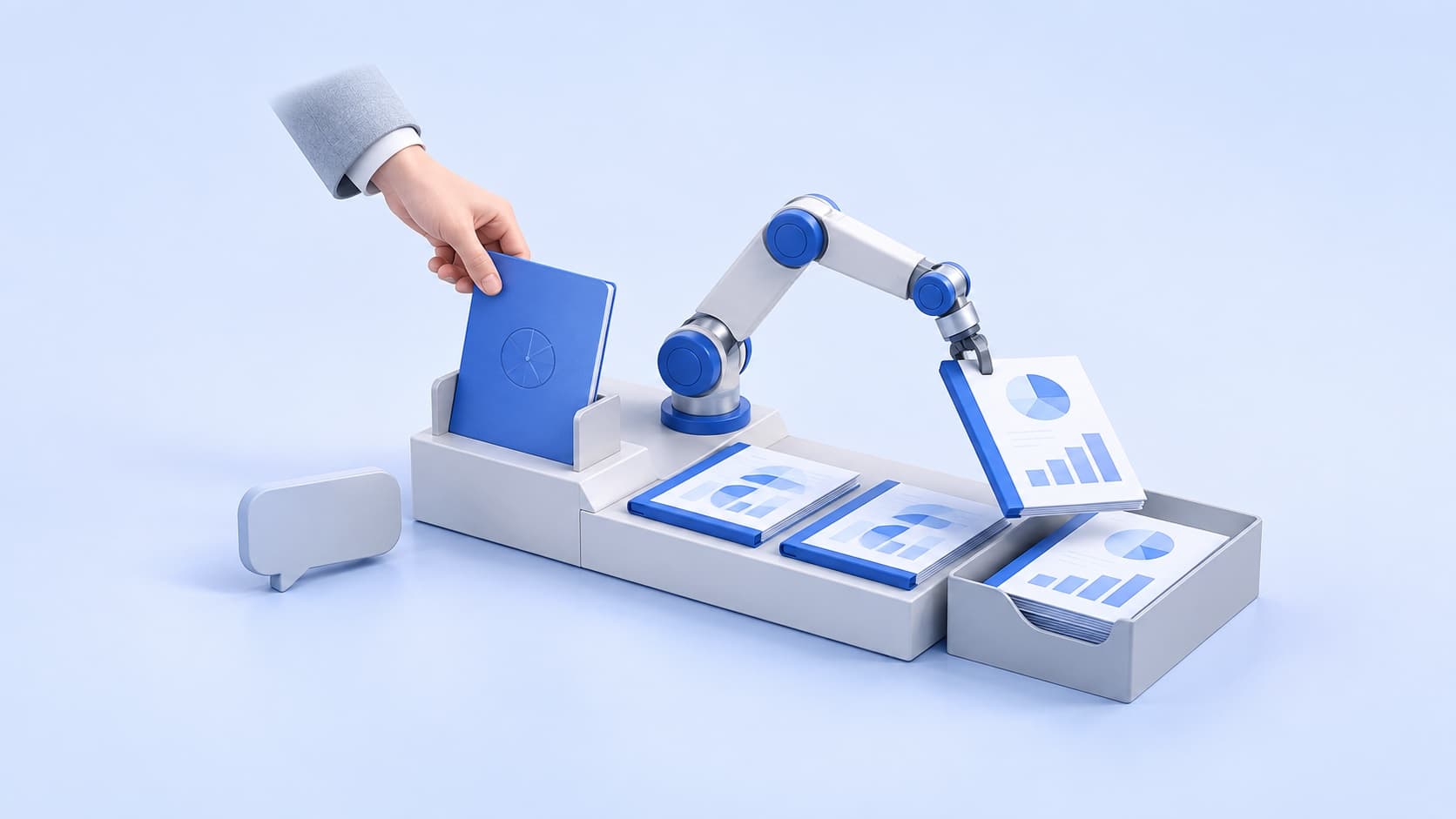
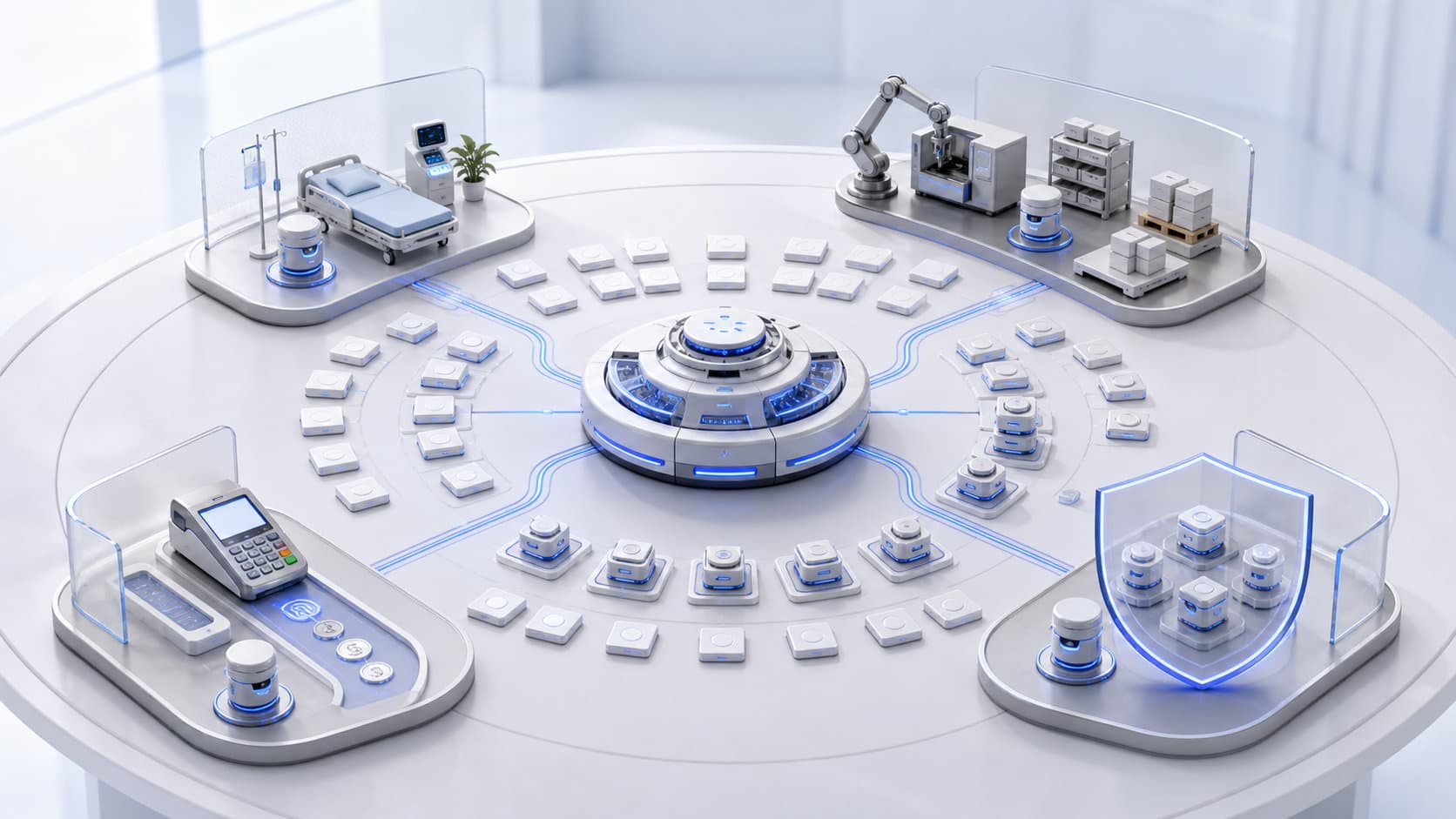
The finished walkthrough becomes a reusable skill, a folder of instructions and small programs the agent loads whenever the task returns. Anthropic, which makes Claude, calls its version Agent Skills. The agent reads the skill before acting, so it follows the same procedure instead of starting from scratch. Every run after the first takes a fraction of the setup. Several skills, plus the connections and checks that tie them together, make up the full setup that runs the task end to end.
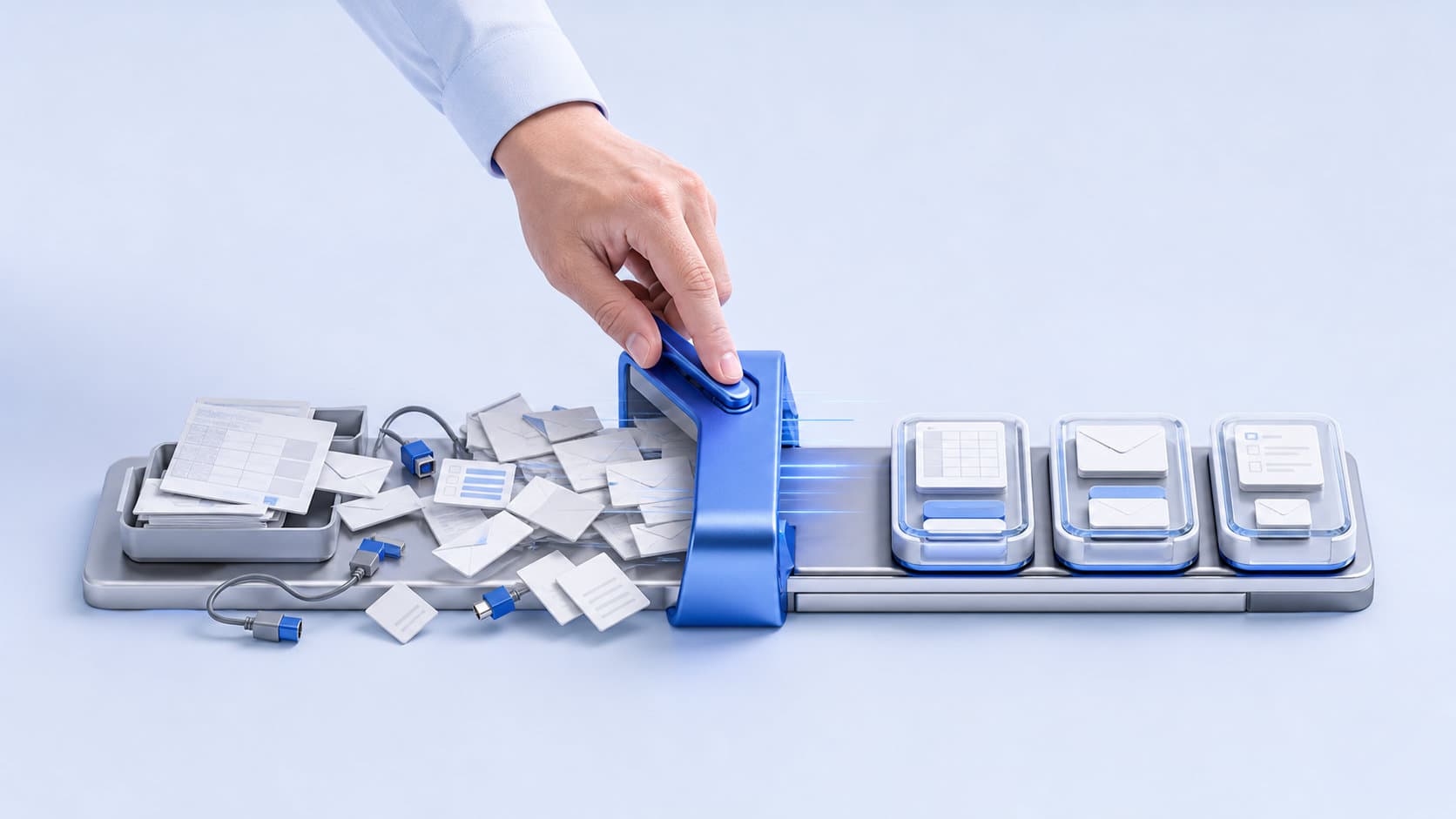
Repetition is the last step. A weekly finance task can start on a fixed schedule. A task set off by a live event, such as a new file in a folder or a customer reply, needs a server that is always running. Anything touching sensitive systems goes to a developer for polish before others rely on it. Once it is scheduled, hosted or polished, the task runs on repeat, with no person carrying the work between systems by hand.