Most AI in business runs on static models, which are trained once, deployed and then left unchanged. That works until real-world complexity arrives, and then they forget, drift and degrade. Nested Learning is a way of building models that keep learning while they are in use. It may be the most important change in AI design since the blueprint behind the leading models, known as the Transformer.
The weak point of a static model is memory. It cannot hold on to what came earlier in a long stretch of work or adapt while it is being used. Keeping it current takes expensive retraining. Stanford’s AI Index 2025 counts those retraining cycles, known as fine-tuning, among the costliest bottlenecks in companies’ adoption of AI.
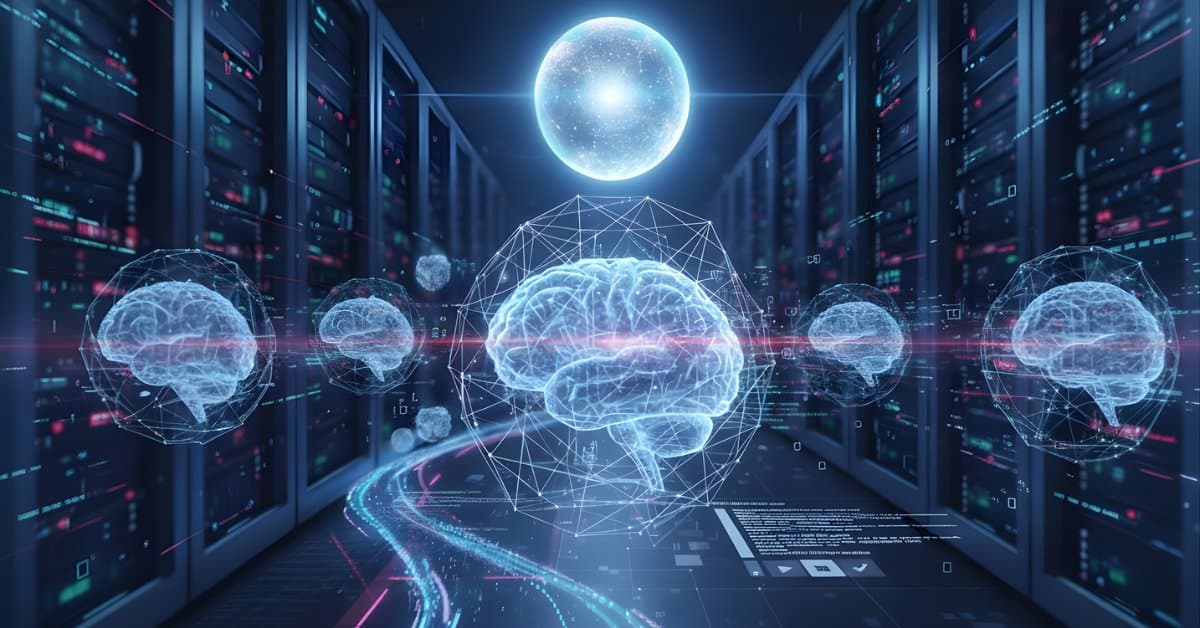
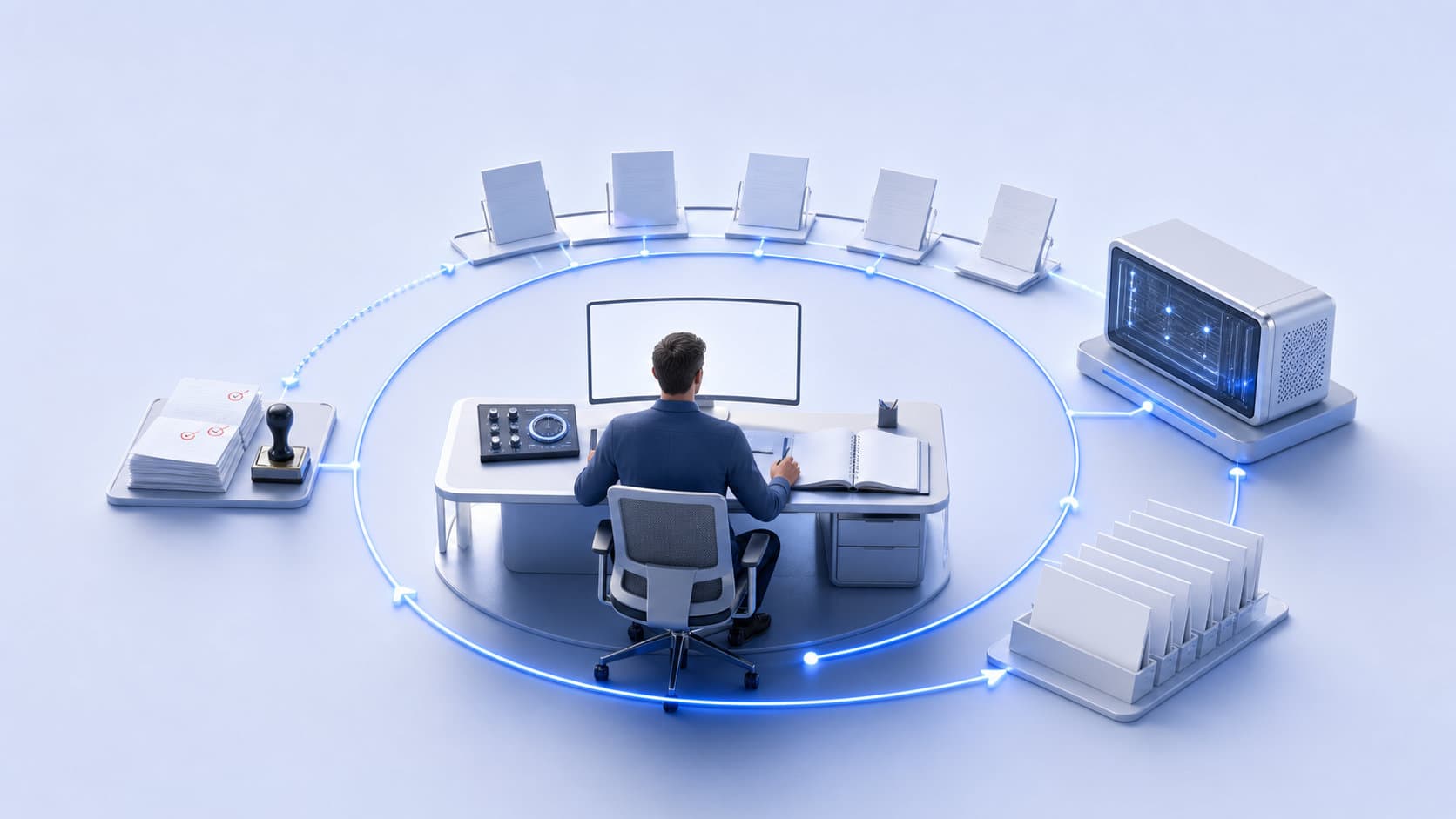
Nested Learning attacks the memory problem with two learning loops that run side by side. A fast loop adapts during use, while a slow loop locks in what has been learned, which keeps the model stable. The design is modeled on the way people learn on several timescales at once, an idea backed by neuroscience research at MIT.
Google’s test model, HOPE, is built on a design called Titans and shows the idea at work. It retains more of what it learns and resists forgetting old knowledge as it takes in new. It also keeps track of earlier material across long stretches of text, all without growing larger.
Long, detailed work is where that memory pays off. Finance, law and healthcare depend on reasoning that holds up over long sessions. When a model loses the thread, people must repeat themselves, which costs time, money and trust. A model that remembers needs fewer resets and less rewriting of instructions, and its answers stay more consistent. McKinsey’s research on generative AI finds the greatest productivity gains in systems that improve during use.
A model that changes itself also strains the rules most companies use to govern AI. Their routines for tracking versions and checking quality assume a model that behaves the same way every time. METR, an AI safety research group, stresses oversight for systems that adapt. In practice, that means watching how a system changes during use, monitoring for failures in real time and keeping records of how, when and why the model changed.