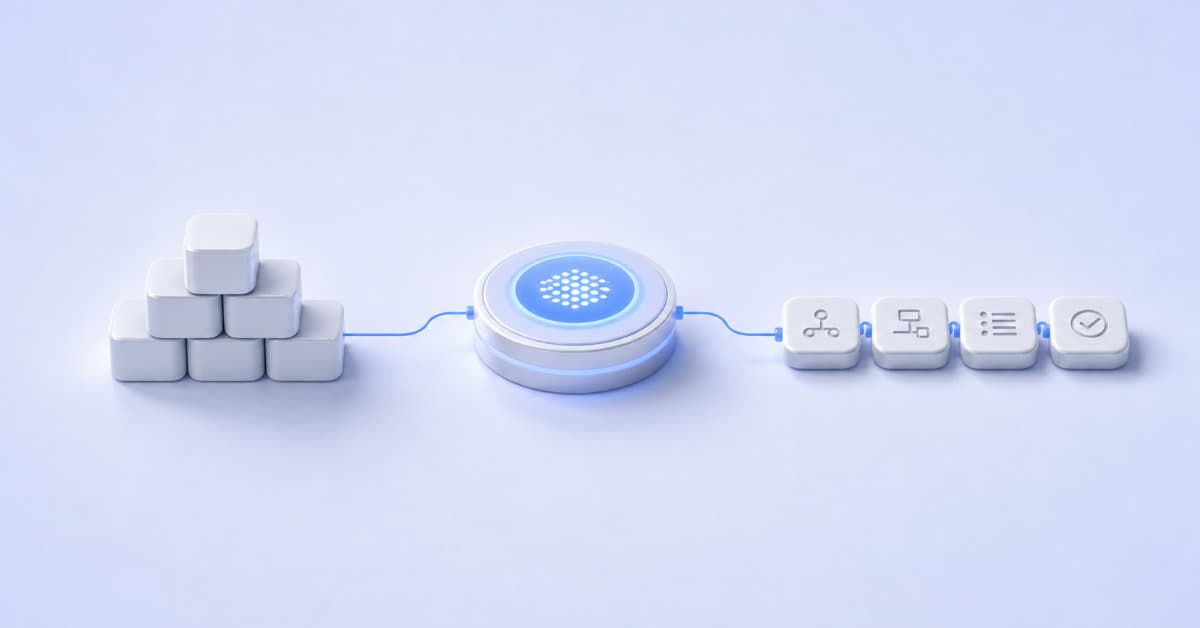
Letting an AI write software from plain-language requests is known as vibe coding, and its risks can start before any code is written. They can come from a vague task, work on a central part of the product, or a review that means reading the AI’s code afterwards. In a Code w/ Claude video, Anthropic engineer Erik Schluntz describes a workflow that moves those decisions to the front, for code real users or teams rely on.
Schluntz says he often spends 15 or 20 minutes planning with Claude, Anthropic’s AI assistant, before asking it to do the work. In that time it can look through the project, find the relevant files and help shape the request.
That preparation turns the request into a handoff. A prepared handoff gives Claude the background it needs to make fewer guesses, while a rushed one leaves it filling in what is missing. The person using it still owns the assignment. They decide what should be built, what information it needs, where the boundaries sit and what result will count as acceptable.
Scope comes next. Schluntz recommends giving Claude end features or add-ons that nothing else depends on, the bells and whistles at the edge of a product. He calls them “leaf nodes.” Work at the edge is easier to contain, while a change to the foundation may affect other parts of the product. So before a task is assigned, the question is what depends on it. A task that much else depends on needs closer human control.
Checking the result comes last. Schluntz says the system should be designed so the result can be checked without reading every line of code. His minimum is three tests that follow a user action through the whole product, known as end-to-end tests. One covers the case where everything works as expected and one covers an error, where something goes wrong. The third covers an unusual situation the product still needs to handle, known as an edge case.
Those tests keep the review on how the product behaves. If they match the goal set in the assignment and pass, the reviewer has a stronger basis for trusting the output.