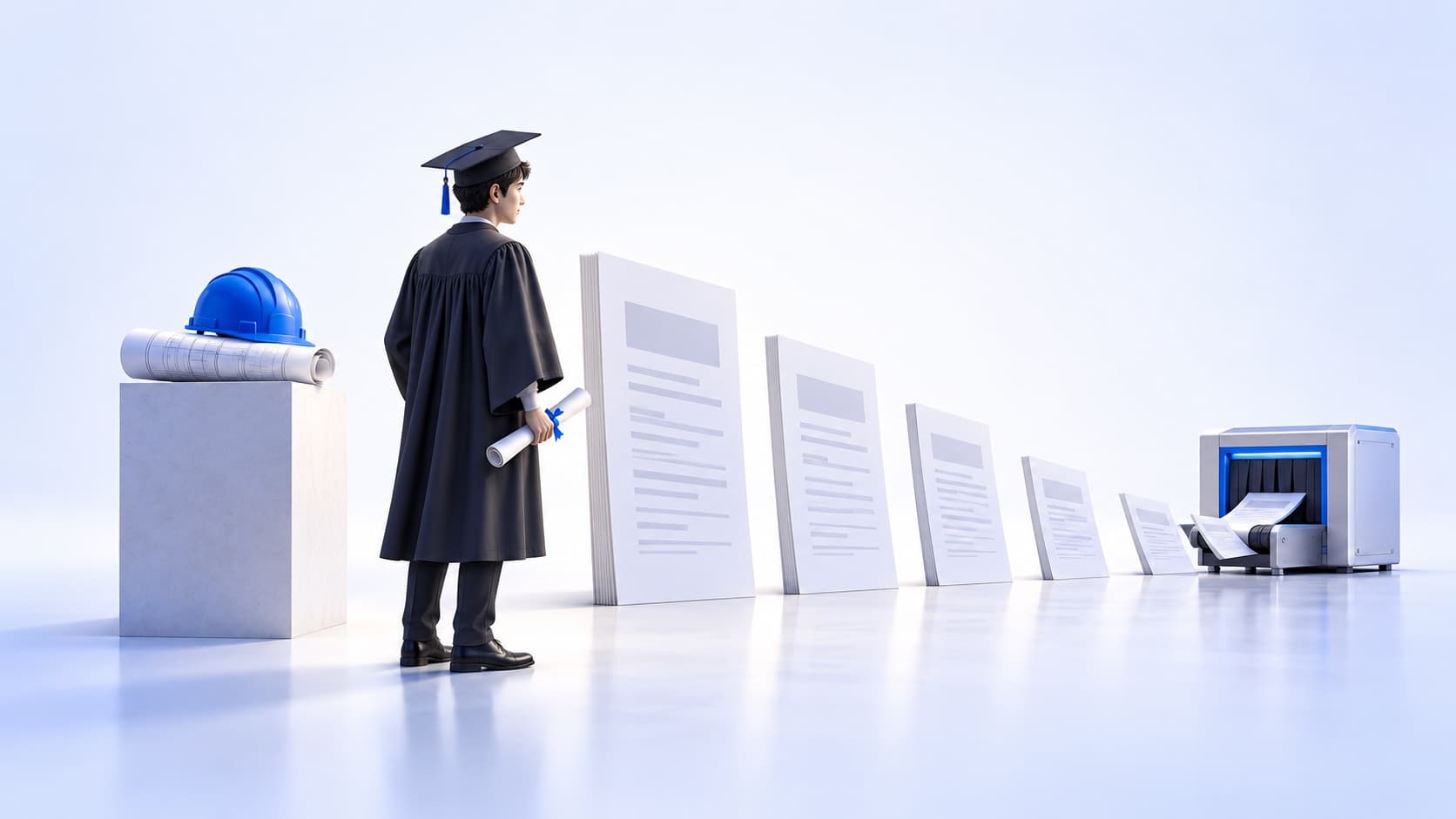
The jobs most within reach of AI are the ones done on a screen. That is the pattern in a visualiser built by AI researcher Andrej Karpathy. It scores 342 occupations from the US Bureau of Labor Statistics on a scale of 0 to 10. A low score means AI can do little of the work, and a high score means it can already do a meaningful share. Karpathy makes clear that the scores are not a forecast of who loses a job next.
Work that happens mainly on a computer, produces digital output and can be done from home scores high. Work that depends on physical presence, manual skill or direct contact with people scores lower. Roofers and janitors sit near the bottom because AI in 2026 still cannot climb a roof or clean a building with the consistency those jobs require.
Registered nurses and retail sales workers land in the middle. AI can support the information and routine parts of their work but cannot replace the presence, physical tasks and human contact the rest of the job requires.
Office work fills the top of the scale, with software developers, paralegals, financial analysts and data scientists all scoring high. Medical transcriptionists, whose work is routine, fully digital and already close to what AI handles well, sit at the very top.
Karpathy’s own notes put numbers on the pattern. Jobs paying over $100,000 a year average a score of 6.7, and so do roles that typically require a bachelor’s degree. The safer roles on this scale are the ones that require people to be physically present, and many of them are not the best paid.
AI does not need to take over a whole occupation for the job market to change. It only has to raise output enough that companies hire fewer new people and replace fewer of those who leave, which shrinks entry-level openings first.
A Stanford paper found that pattern in hiring data. In the jobs most open to AI, employment of more experienced workers stayed stable or kept growing. Workers aged 22 to 25 in the same jobs saw a 16 per cent relative decline in employment.