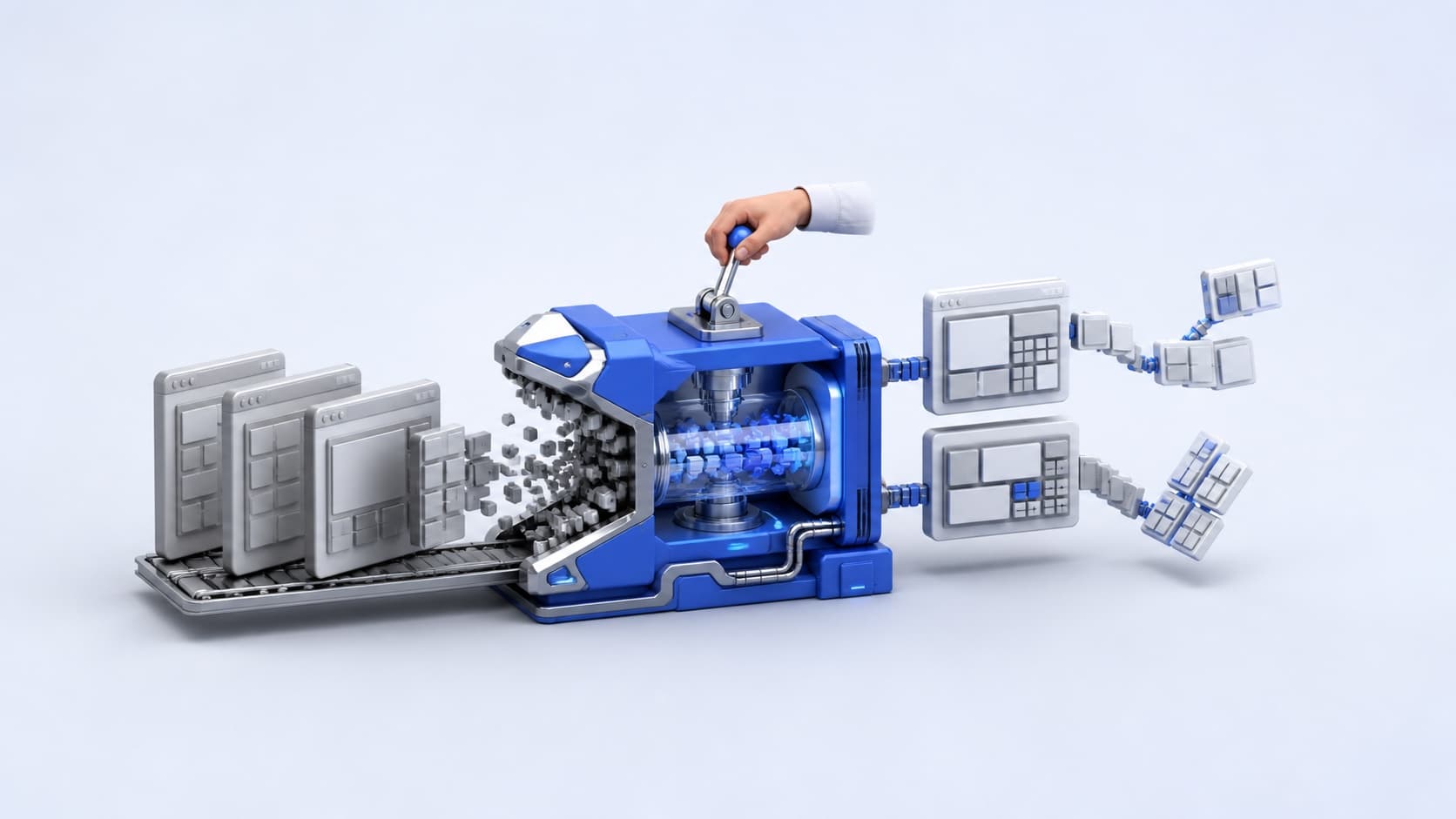
In a traditional engineering team, output grows with headcount. AI agents, software that can plan and carry out programming work on its own, are starting to break that link. Even the best AI models used to need a person directing each step. Research published in 2025 by METR, a group that measures what AI systems can do, shows modern systems solving long software problems without that direction. These are tasks that once took a skilled engineer hours or days.
OpenAI’s guide to building an engineering team around AI describes where this leads. Agents work through every stage of building software, from planning and coding to testing and documentation, under human oversight. The agents take the first pass. Engineers give the final judgment on whether the design holds together, fits the business and is ready to go live.
The engineer’s job changes with it. Less time goes on writing routine code, and more goes on setting and enforcing the system’s design patterns and rules, and on owning its quality and performance.
Speed is the first payoff. McKinsey research found that developers using structured AI workflows complete common tasks up to twice as fast as those working by hand. Agents can now write tests, fix build errors and submit code changes for review, often in a single run. A 2025 McKinsey report finds that teams working this way get products to market faster, with higher feature quality and code that is easier to maintain.
Much of the overhead that agents can cut sits outside coding. Atlassian’s research on developer experience finds that switching between tasks, missing documentation and poor tools drag productivity down more than anything else. Agents can draft code reviews, write summaries and search through system logs, which frees senior engineers for problems that span several systems and for managing risk.
Leaning too heavily on agents carries real risks. It may hide errors, wear away the basic skills of junior staff and open new kinds of security holes. METR’s data shows that workflow discipline and task design shape how well agents perform, so the gains appear when teams build agents into structured processes.
Inside those processes, how fast people type stops being the limit, because agents do the mechanical work. Engineering output then grows with the clarity of specifications, the strength of tests and the quality of the design patterns engineers set.