AI agents, systems that follow instructions and carry out tasks, are everywhere. Building one from scratch makes less sense than it did in 2025. The part of an agent that routes work through tools, instructions and data is known as the agent layer. That work, which once required custom software, is becoming part of ChatGPT, Claude, Gemini and the systems around them.
For many teams, agent projects became engineering projects before anyone redesigned the work. The focus moved to software frameworks, code and deciding which tool handles each step. LangChain, for example, helps developers connect AI models to tools so an agent can choose what to use next.
ChatGPT agent can also choose tools, and it works across tasks, connects to other apps and handles complex work inside ChatGPT. Claude Cowork brings knowledge work with many steps to nontechnical users, and Google’s Gemini Agent can use connected apps such as Gmail, Calendar and Drive.
If a provider turns a step into a built-in feature, the team that spent months building the same step has less of an advantage. The cost remains, but the edge fades. Large enterprises may still need custom builds for complex workflows, strict controls, internal systems and processes beyond what AI products can handle. For most businesses, the better starting point is a clear outline of the work.
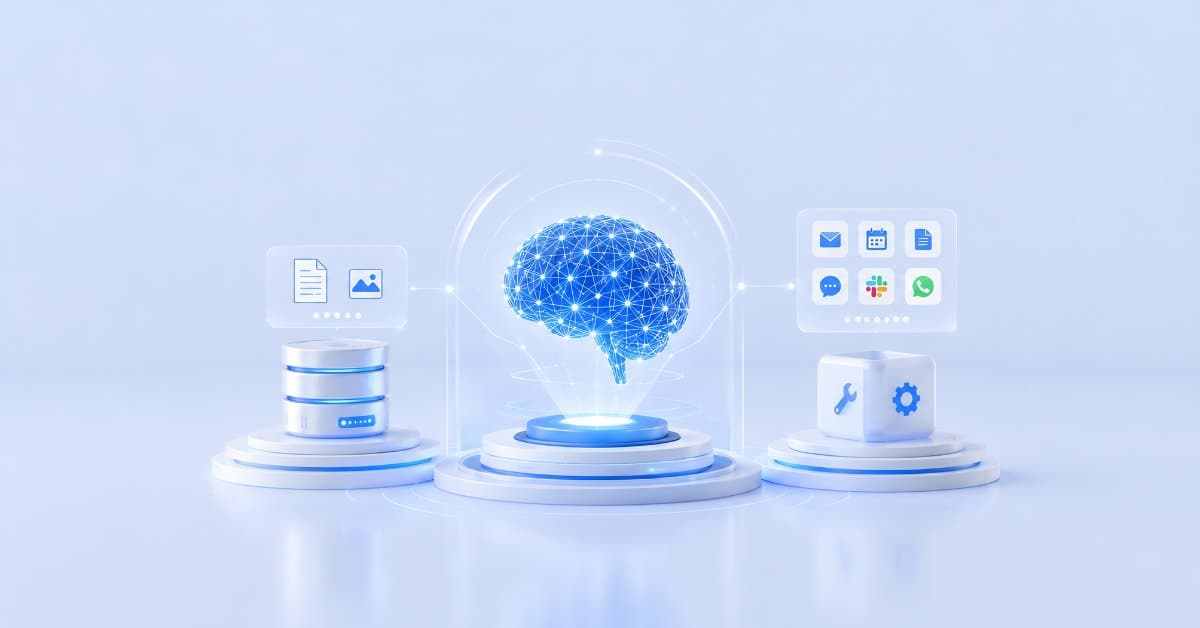
One shared standard points the same way. Anthropic introduced the Model Context Protocol, whose documentation describes a standard way for AI applications to connect to files, databases, tools and workflows. As those connections become common, the advantage shifts to the quality of the workflow itself.
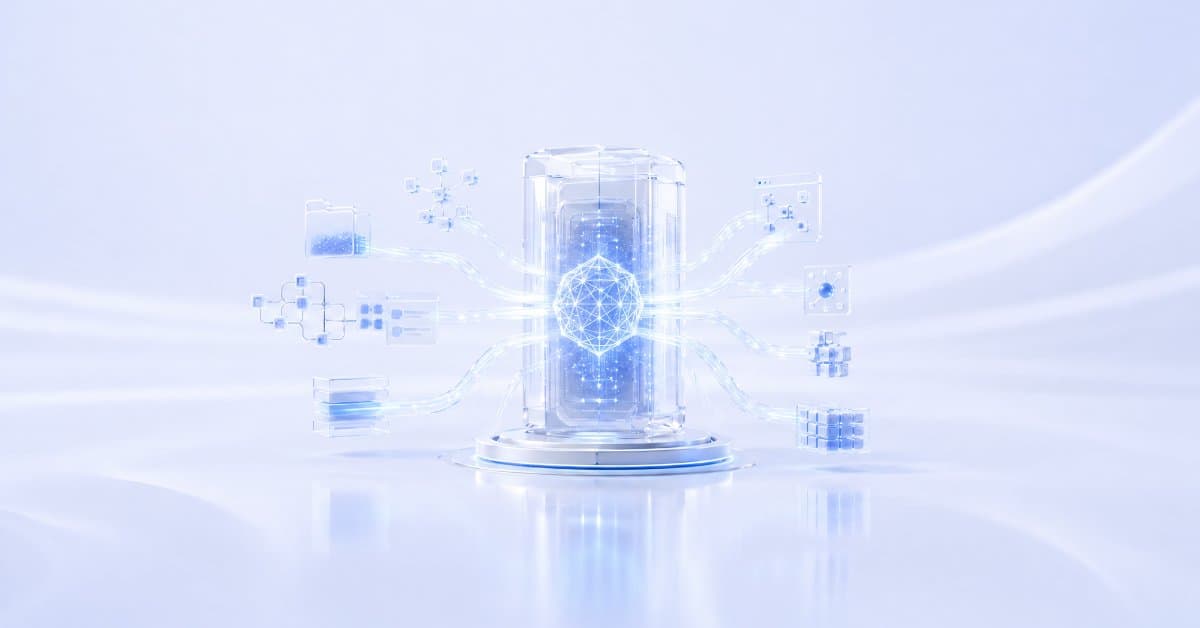
A workflow can be organized like folders on a computer. The workflow is the main folder. Each task is a folder inside it, holding the instructions, examples, data, tools and rules needed for that part of the work. Subtasks are deeper folders with their own inputs and standards. AI models can read that structure, follow the tasks and help maintain the workflow.
That changes the economics. When the process lives only in code, even small updates can become development work. When it lives in a clear folder structure, more of it can be updated by the people closest to the work.