Every brand has the same expensive problem. It learns that an ad has failed only after the money is spent. The video is produced and the campaign goes live, then the team waits for clicks, views, shares and watch-time data. By the time that data arrives, weak ideas have already cost the business.
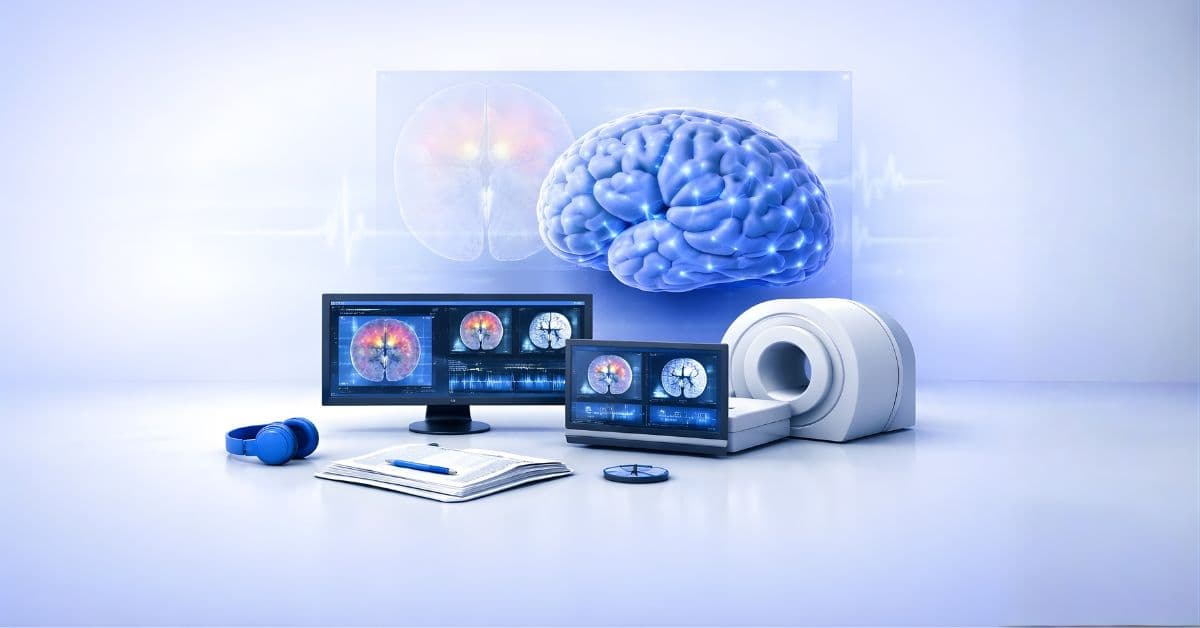
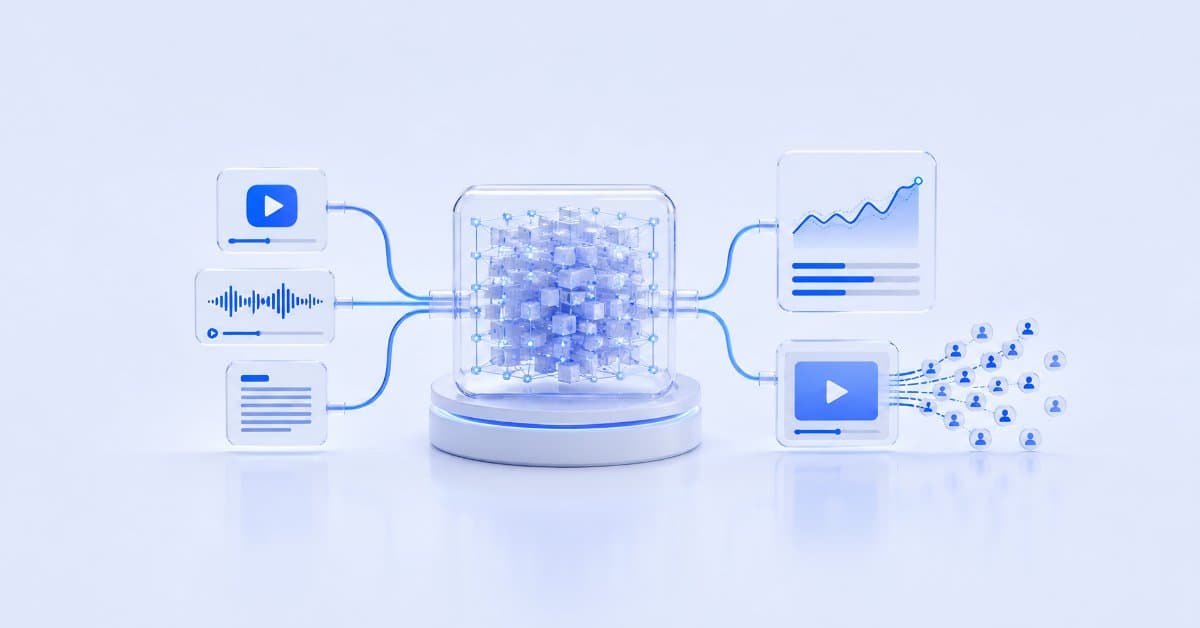
Meta is trying to get that answer earlier. Its TRIBE v2 model uses AI to predict how the brain responds to video, audio and text, as a brain scanner would record it. According to the model’s public description, it turns those inputs into predicted activity across the outer part of the brain.
The model does not prove a video will go viral, and it does not replace market testing. It points to a new way of testing how people process content before views, likes, shares or purchases show up in the data.
Most brands judge ads by opinion, taste and early performance numbers. Teams debate whether the hook is strong, the idea clever or the message polished. The harder commercial question is how much work the audience must do before the message becomes clear.
Some brands measure that kind of reaction directly. A guide from Shopify describes brands using brain scans, eye tracking and measures of physical response to see how people react to products, packaging and marketing. Brain research is expensive, specialized and slow, which is why most teams fall back on surveys, taste and platform metrics. Software that predicts brain responses can help teams reject weak ads sooner.
Research supports a careful version of the idea. One study found that brain-response data helped forecast how video ads would be shared on social media. Another study found that a group’s brain activity early in a video could forecast how many people watched it on YouTube and how long they stayed. Neither offers a formula for going viral, but both suggest that attention depends partly on how easily people take in what they see.
The advantage goes to organizations whose creative process learns faster. A team that can test ten clearer versions before spending starts has a better chance of finding the strongest message. A team that waits for paid results learns later, spends more and keeps weak ads running too long.