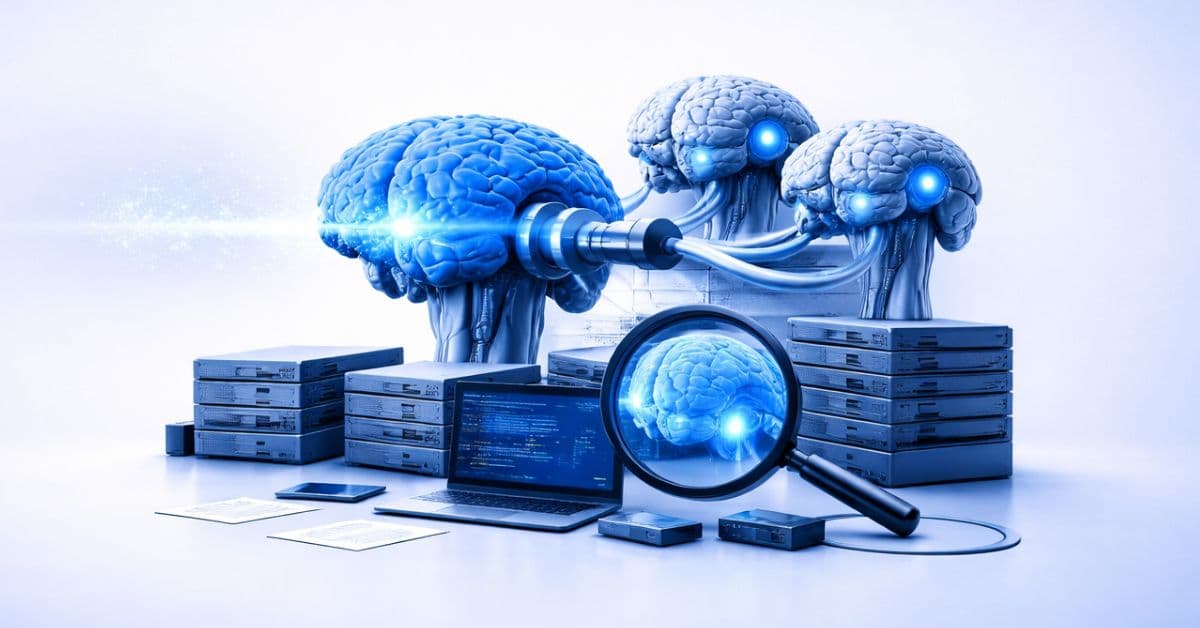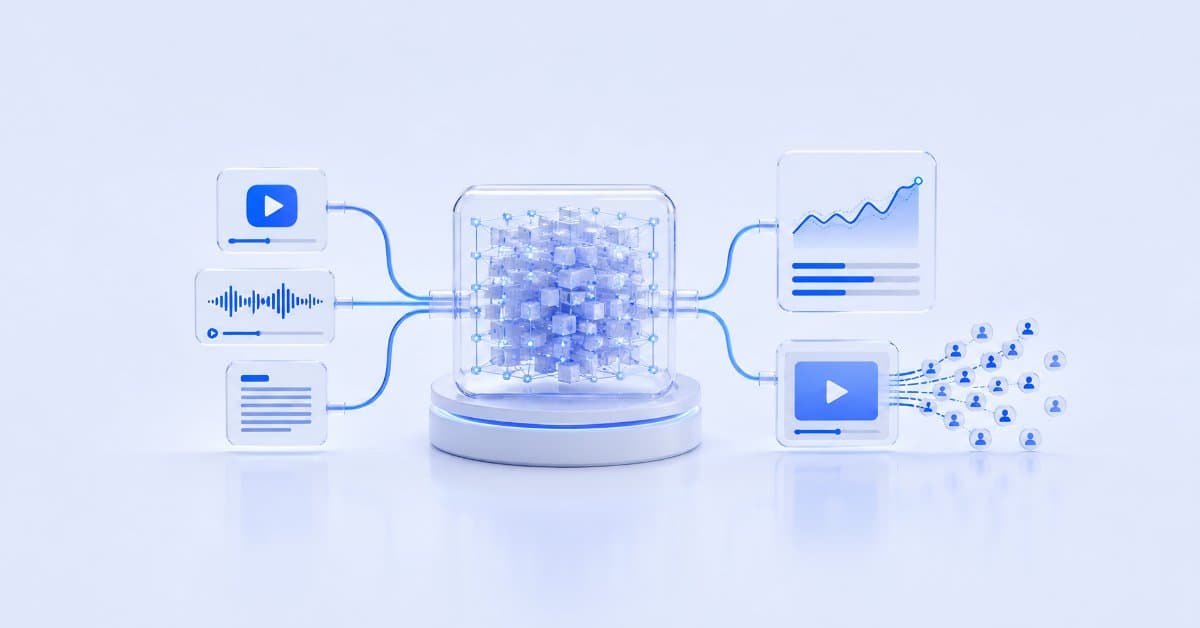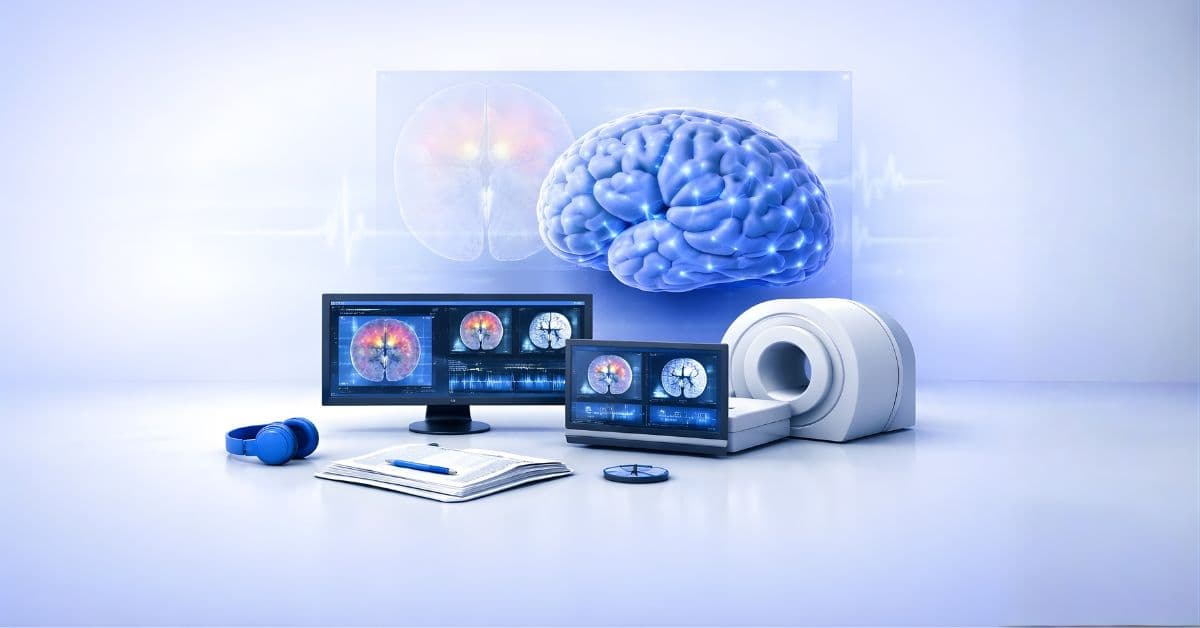
Most AI systems are judged by what they produce, whether that is text, images, video or code. Meta’s TRIBE v2 tries something more sensitive. It predicts how the human brain responds to what people see and hear, which brings AI closer to modelling human reaction and attention. Meta says it trained the model on more than 500 hours of brain scans from more than 700 people. The scans, known as fMRI, track blood flow as a sign of brain activity. The company describes the result as a software copy of brain activity, which it calls a digital twin.
Meta has also shown the model at work, so the idea is concrete rather than theoretical. A live demo compares its predicted brain activity with recorded brain data, which makes the claim much easier to grasp. The company also released the model’s code and the research paper behind it, so researchers can inspect the work instead of taking it on trust.
The clearest upside lies in medicine, and it could matter more than the demo itself. Meta says the goal is to speed up breakthroughs in diagnosing and treating neurological disease. Brain research is slow, expensive and hard to scale, and the model could help by lowering the cost of exploring how the brain works. Researchers could test more ideas in software before moving to costlier studies. That would let them rule out weaker directions earlier and put scarce time and money into the ideas most worth pursuing.
A darker reading sits close to the same predictive ability. A model that gets better at predicting which sights and sounds drive a stronger brain response could be useful outside medicine. The same progress could help build ads or social media feeds that keep people engaged longer, and it could make systems built to influence people more precise. The company does not state that purpose, but the concern is reasonable, because the underlying ability points in that direction.
The model does not have to read private thoughts perfectly for the commercial implications to be serious. It only has to get better at estimating how people respond.