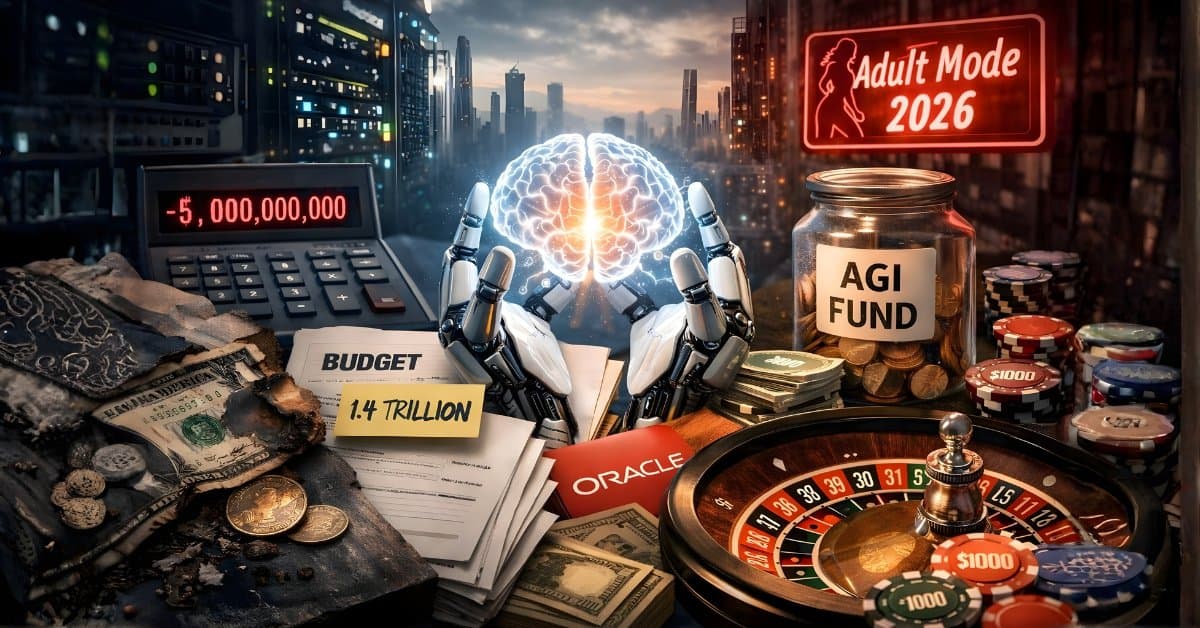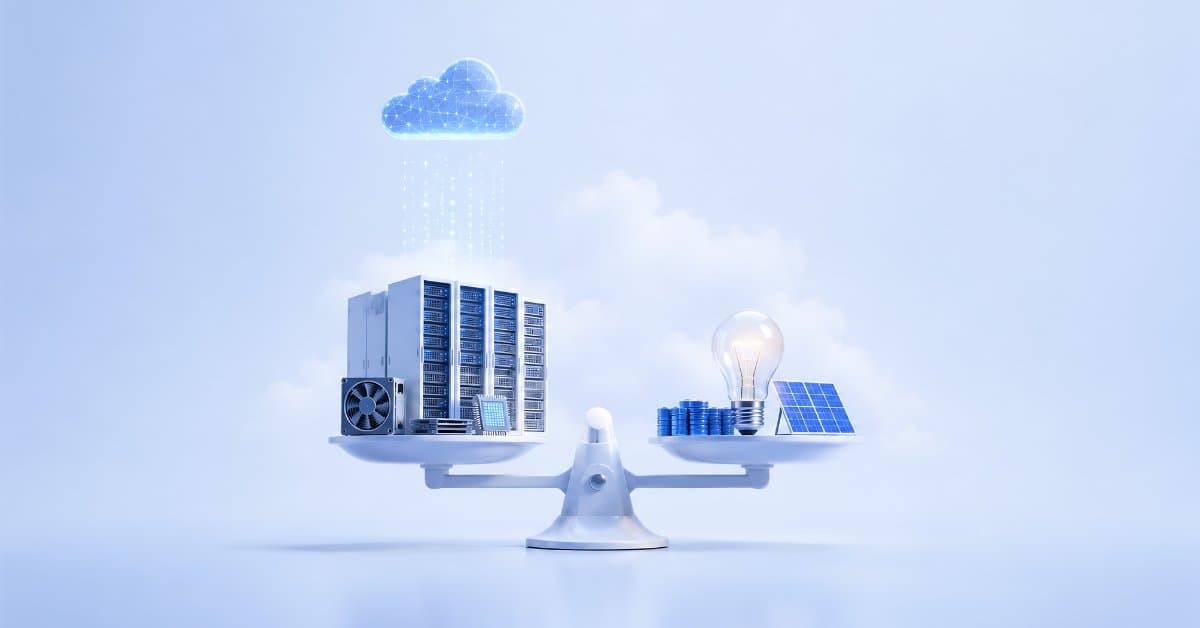
The biggest risk in AI is that the economics turn against the people paying for the build-out. The computing power that runs AI models is starting to trade like a commodity, and a commodity’s price can fall faster than anyone planned. Adoption can then keep rising while returns collapse.
In its Carlyle Compass research, the investment firm Carlyle treats that computing power, known in the industry as compute, as capacity priced in dollars per hour. That makes it a physical commodity rather than a pure software cost. Competition then turns on how much of that capacity is in use, what it costs to supply and how much supply there is. In markets like that, prices never stay stable for long.
Oil shows how supply can do the damage. In the 2010s, US shale expanded supply and pulled capital into new projects. Then in 2014 producers defended their market share, and prices fell sharply. Research on that shift shows that when a low-cost producer chooses market share over price, it can drag the whole market down, and higher-cost producers take the hit. The underlying value stayed real even as the market price reset.
A second study breaks the fall in oil prices after June 2014 into supply, demand and expectations. It shows how quickly the explanations changed once prices moved. Markets do not wait for agreement, and capital gets repriced along the way.
AI is entering the same phase, because the biggest firms invest in infrastructure the way energy companies do. Winning then depends more on balance sheets, access to power and disciplined planning of capacity. Funding has followed, flowing to bets on physical capacity that assume prices will hold. When a market funds capacity, it also inherits the risks that come with it.
For a company, that turns compute into an input market to manage. The value case for AI stays separate from any assumption that compute prices will hold, and plans are tested against much lower prices. Large compute commitments become capital decisions, approved with the downside case written in.
The sharpest danger is a supply shock from cheaper computing power, especially from China. Carlyle is explicit about the risk of low-cost Chinese compute resetting prices. That would not require demand for AI to slow. Cheaper supply would only have to arrive and grow fast enough to drag the market price down.