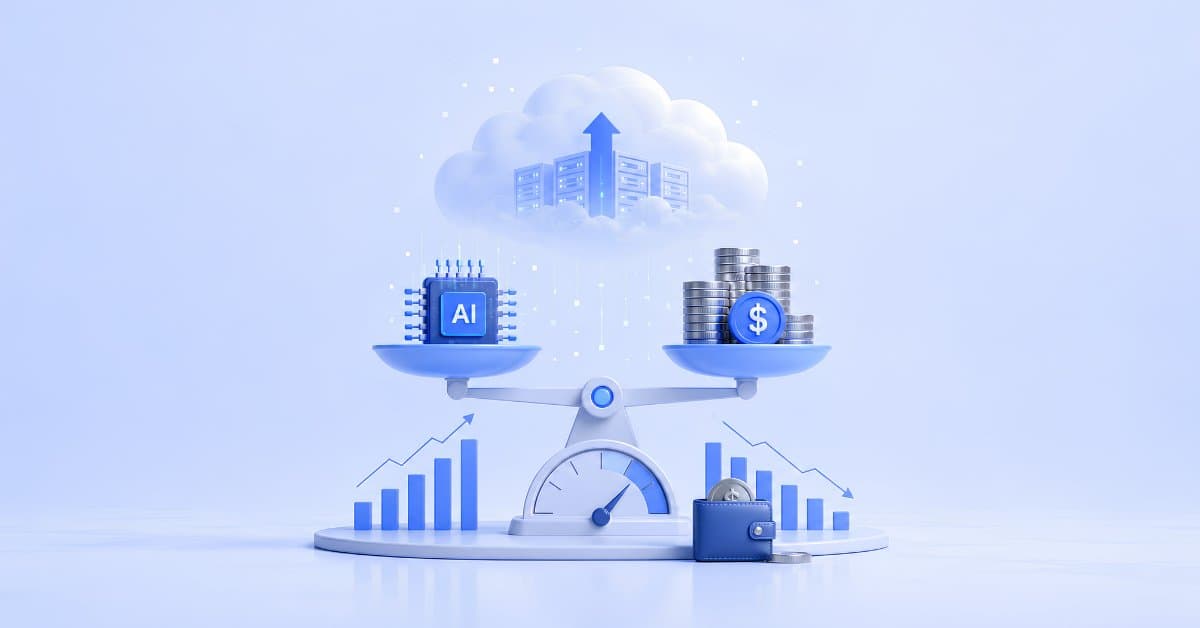
The cost of running AI is falling quickly. An analysis by Epoch AI found that the price of getting the same performance from an AI model has fallen roughly 200-fold a year since January 2024. That is the median rate across tasks, with older models excluded, and few software markets see prices drop that fast. Company budgets are moving the other way.
In one industry report, 78% of IT leaders said they faced unexpected charges tied to AI features or to pricing based on use. Another report found that average AI spending rose 36% from 2024 to 2025, to $85,521 a month. Each unit of AI is getting cheaper, but companies are using far more of it.
AI does not behave like normal software once it enters daily work. A software licence has a clear price, but AI usage grows whenever someone asks a question, reviews a document, searches a file or automates a task.
Bryan Catanzaro, Nvidia’s vice president of applied deep learning, gave the clearest version of the problem. He said that, for his team, the processing power needed to run AI costs far more than the employees do. By April 2026, Uber had used its full 2026 AI budget paying for the small chunks of text that AI models read and write, known as tokens. That lands hard in a market being told AI will make work cheaper.
So the case for replacing people with AI needs caution. Many companies assume AI cuts costs as soon as a model can perform a task. An MIT study looked at tasks that AI could take over by analysing images. Only about 23% of the wages paid for those tasks were worth automating at the time, and for the rest people were cheaper. The study was narrow, but a model that can do a task does not by itself prove a saving.
The fall in prices may continue. Gartner expects the cost of generating answers with very large AI models to drop by more than 90% by 2030, compared with 2025. But companies are spending, hiring and cutting staff in 2026, and that decline will not pay the bills that come due before then. A company that removes people on the assumption that AI costs will fall is placing a bet before the savings exist.