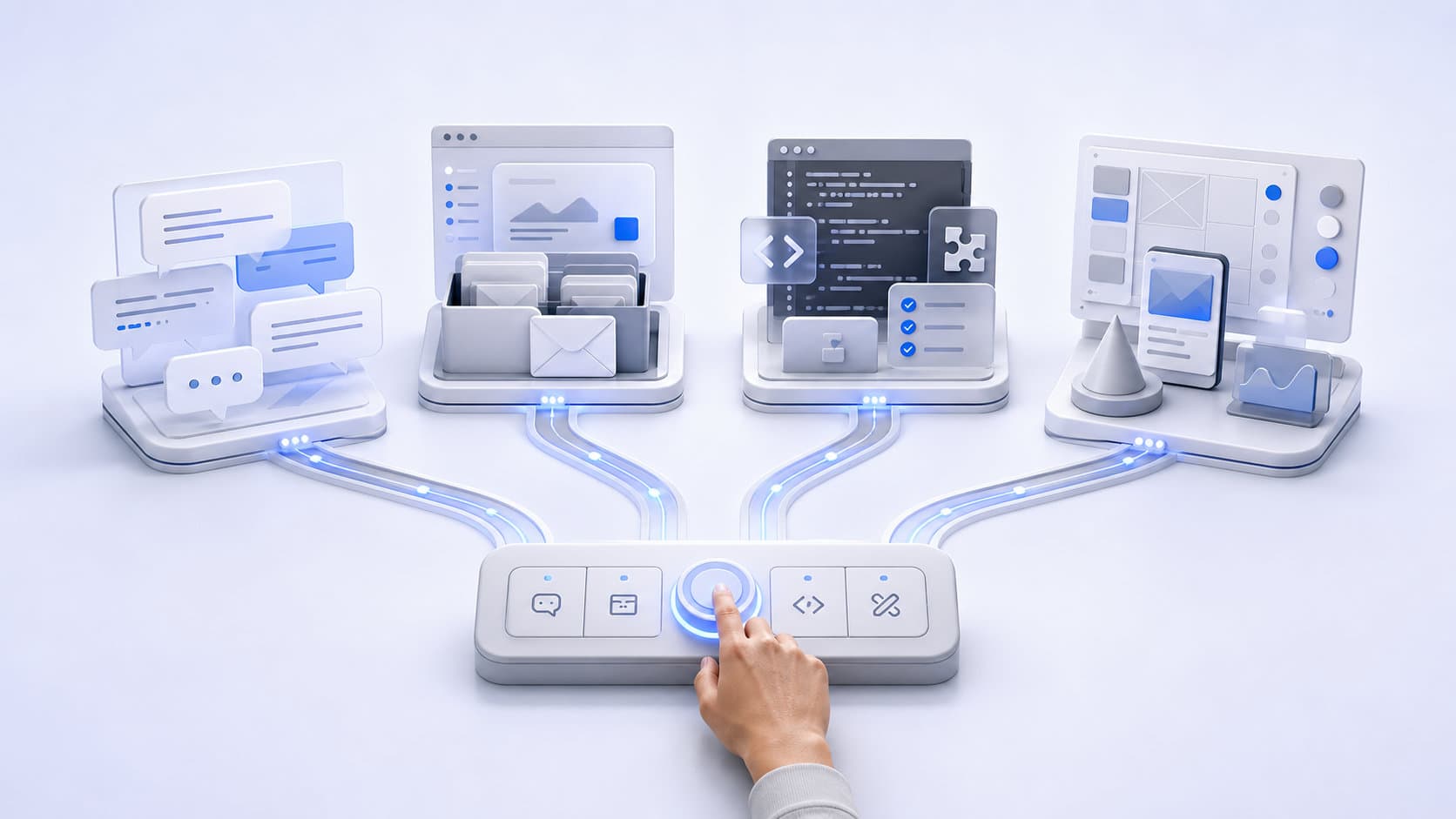
Claude Code is Anthropic’s AI agent for coding, software that carries out programming tasks by itself. Very little of it is AI. A public analysis of its software found that about 1.6% of the code handles the AI’s decisions. The other 98.4% runs the system around the model, covering permissions, memory, tools, recovery and records of activity.
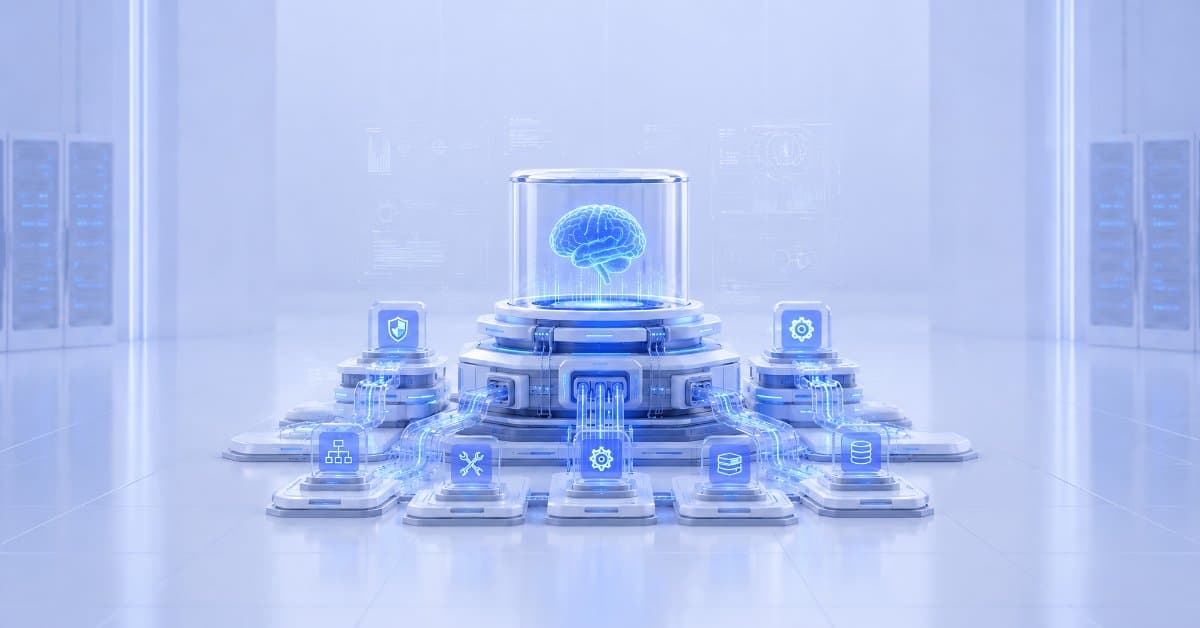
Together, those parts are a control system for the model. They decide what the AI can see, what it can change, which tools it uses and what happens when work breaks. The model works like a consultant inside a controlled operation, reasoning about the next step while the control system turns that reasoning into safe action.
At the centre sits a simple loop, described in the paper behind the analysis. The AI receives background on the task, picks the next action, gets the result from the tools and repeats.
The paper shows how much structure sits underneath that loop. Claude Code has seven permission modes, each setting the approval rules for different actions. It also shrinks long work histories while keeping the details that count. Both help the AI keep working without losing track of the task.
That structure is a business issue. A model writes an answer, but an agent completes work across real systems, touching files, code, customer data, internal documents or outside services. Every weak control creates cost, because a wrong action means rework, risk or delay.
The common mistake is treating independence as the goal. An agent left alone with weak controls moves fast in the wrong direction. It uses the wrong data, loses track of a task, changes the wrong file or produces work outside the review process.
Claude Code points to a stronger way to run an agent, because each control cuts a cost. Permission rules reduce damaging actions, and memory means less repeated work and fewer lost instructions. Recovery lowers the cost of failure, and activity logs make the work easier to review.
The same logic applies to choosing a model. A business that owns the control system can swap models without rebuilding it. Better models can then slot in underneath while the company’s rules and records stay the same.