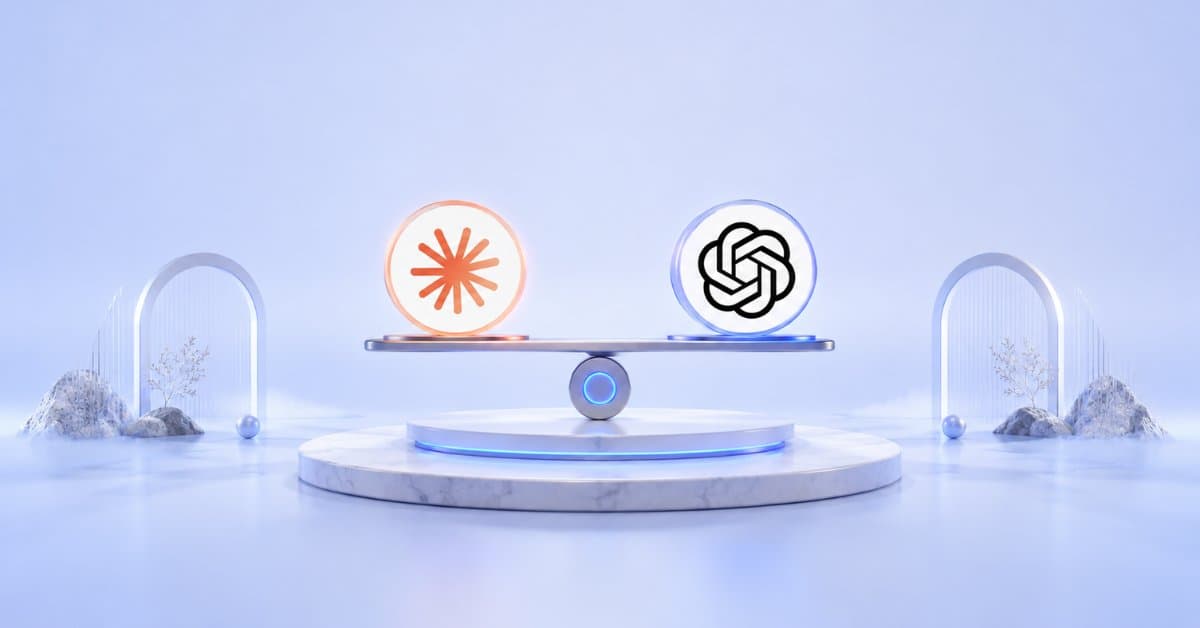
Claude, Anthropic’s AI assistant, and Codex, OpenAI’s coding tool, are close enough that the choice should start with the work. Claude is the stronger daily tool for writing, analysis, documents and spreadsheets. Codex has become a serious option for detailed software work where precision and control matter. The wrong choice creates extra review, slower delivery and avoidable rework.
Codex is software that can carry out coding tasks across a project. It can read, edit and run code, so it suits building work inside an existing product. OpenAI’s GPT 5.5 model, which is available inside Codex, is built for complex coding.
Claude also handles code and longer jobs. Claude Code reads a product’s code, makes changes across files, runs tests and delivers finished code. Claude Cowork works across a computer’s files and applications to return a finished piece of work. Anthropic built Claude Opus 4.7, one of its AI models, around coding, long-running work and complex professional tasks. That breadth makes Claude easier to use when one task moves between several kinds of work.
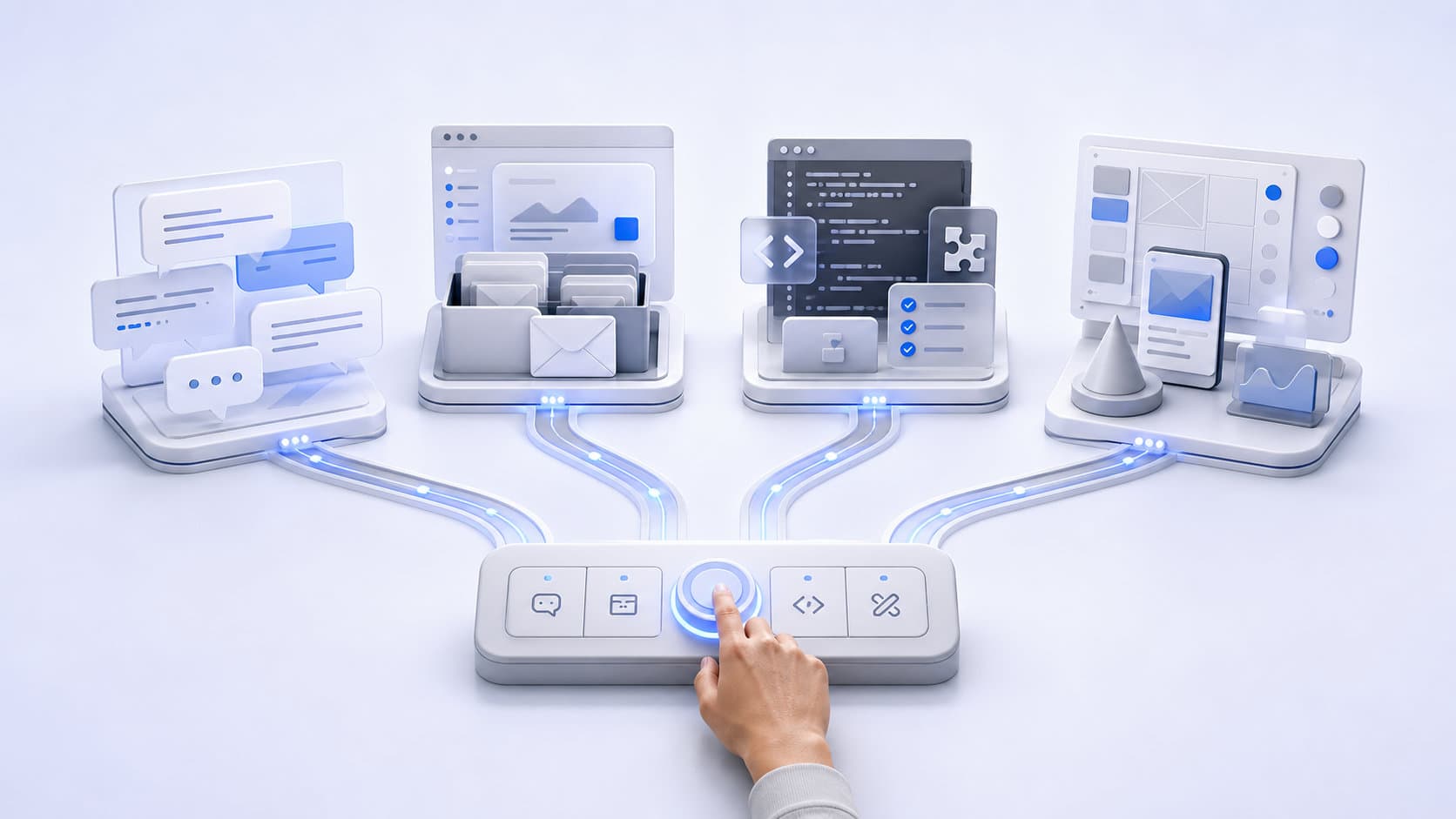
The work splits into two lanes. Codex fits work close to the product’s engine, the hidden system that runs its logic, known as the backend. Small mistakes there are expensive. Login, payments, search and technical fixes need clean execution, because errors can break the steps customers take and create support work.
Claude fits work where judgement and presentation shape the result. The screens and experience customers see, known as the front end, depend on layout, spacing, wording and feel. Documents need structure, spreadsheets need clear logic, and planning work needs enough context to produce something usable without a long cleanup cycle. Claude can be eager, which helps when the output is written, visual or open-ended.
Each tool changes the amount of review needed after the first draft, so the subscription price is only the visible cost. The real cost is correction. A tool that produces impressive output but needs constant fixing still burns staff time.
Paying for both depends on the workload. Someone whose work sits mostly in one lane can often stay with the tool that fits it. A team working across both lanes can justify both, because each tool reduces a different type of rework.