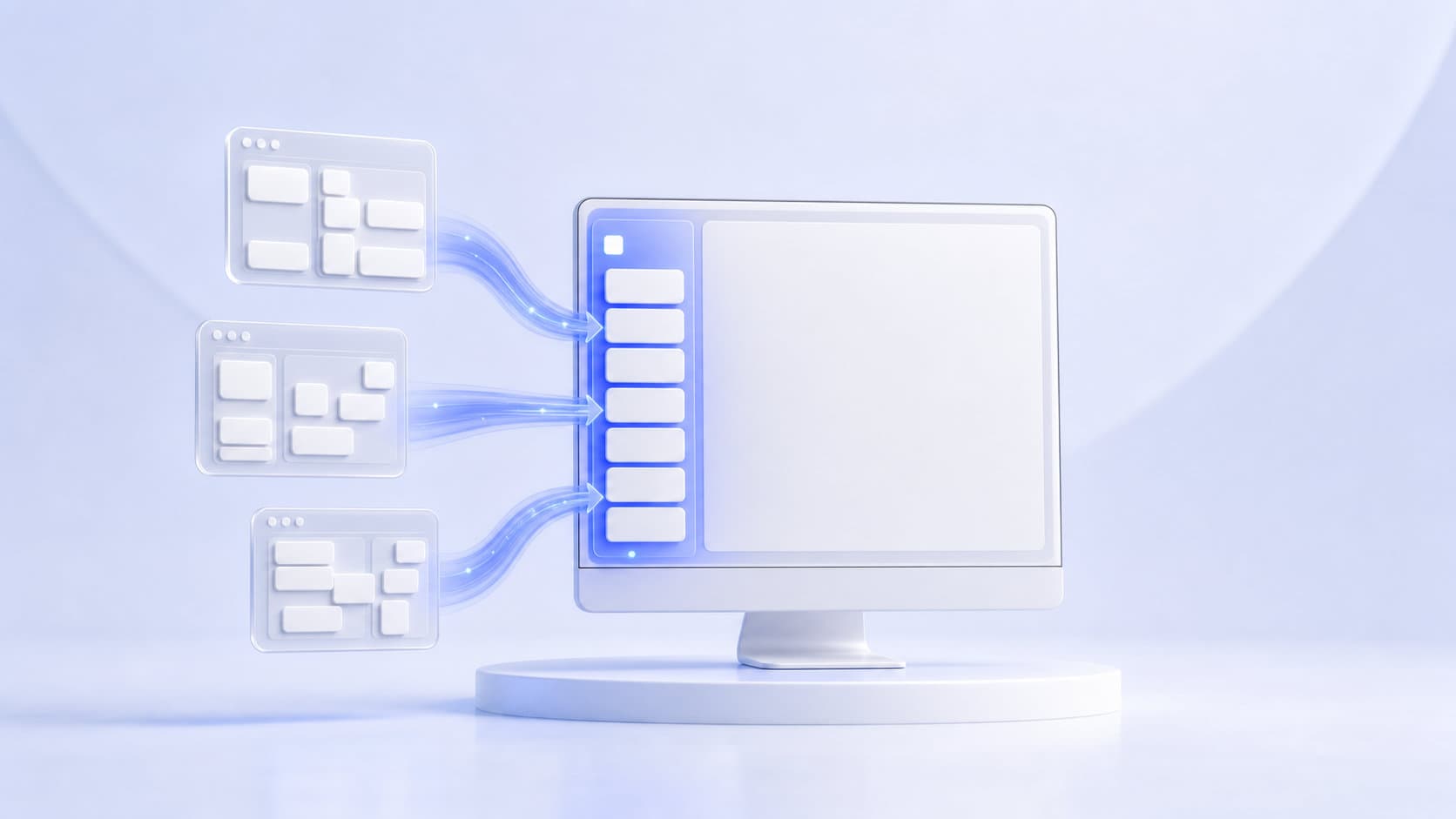
Codex, OpenAI’s AI agent, is becoming easier to choose for tasks an AI carries out across several steps, known as agentic work. Its edge comes from cutting the number of places that work has to live.
Claude, Anthropic’s AI assistant, drew much of the attention early in 2026. Its agent work, though, is split. The Claude desktop app has three tabs, with Chat for conversations, Cowork for longer agentic work and Code for software development. Each tab can make sense on its own, but the friction comes from choosing between them every time a task begins.
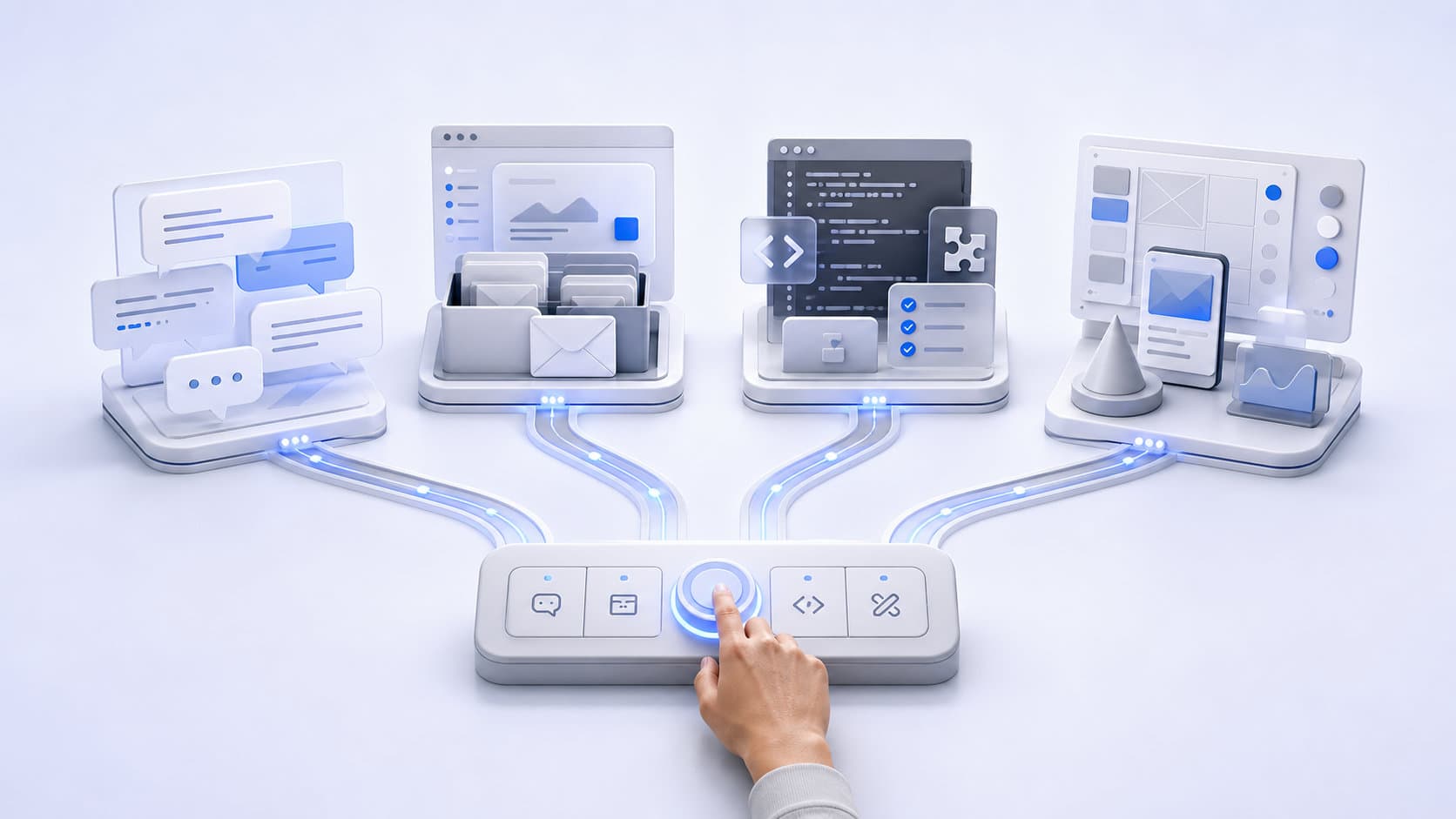
Codex starts from one place instead. From the left sidebar, a user can assign a coding task or ask a question about existing code, without first deciding where the task belongs. Work can begin before anyone has sorted it, which helps because tasks rarely arrive with neat labels. A request might start as a question, turn into a coding task and later need a follow-up.
The same design helps when work needs to be found again. In the Codex app, projects appear in the sidebar and conversation threads sit in the main window, so unfinished work has a visible home. A user can scan what is active and pick a task back up. In Claude, finding a task later depends on remembering which tab it started in.
A built-in browser pulls more of the work into the same app. It can preview and inspect a web page inside the app, so many browser tasks can start without opening Chrome. When a task involves a web page or a product screen, the browser sits beside the work instead of becoming another place to manage. Claude’s coding tool, Claude Code, can automate browser tasks through the Claude in Chrome extension. That suits users who already work that way, but for many routine tasks it adds a setup step before the work begins.
Computer use, a feature that lets Codex see the screen and act inside apps a user has allowed, sharpens the difference. It covers desktop apps, app settings and work that crosses several apps. That can make the work feel faster, because less time goes into moving a task between places. However many apps the agent touches, the thread stays the one place where the work is managed.