Using ChatGPT, OpenAI’s AI assistant, means making choices most people never wanted to make. Users pick a model, decide how long it should think and work out which tool a task belongs in. Sam Altman, the company’s chief executive, wants all of that gone. His goal is an assistant that needs no settings because it already knows what to do and, increasingly, acts before being asked.
One fix removes the choice of tool. OpenAI merged ChatGPT with Codex, its tool that writes software, so one system decides which tool a request needs. Employees call the project The Merge. The result, ChatGPT Work, is built to carry out tasks.
A person still has to open the app and ask, though. At a company event for business customers in June 2026, Altman laid out three phases. Chat products like ChatGPT were the first, and agent tools like Codex, which carry out work on their own, were the second. The third is AI that runs constantly and acts before anyone asks, which he calls proactive AI. He said this was the shift companies most needed to prepare for over the following year.
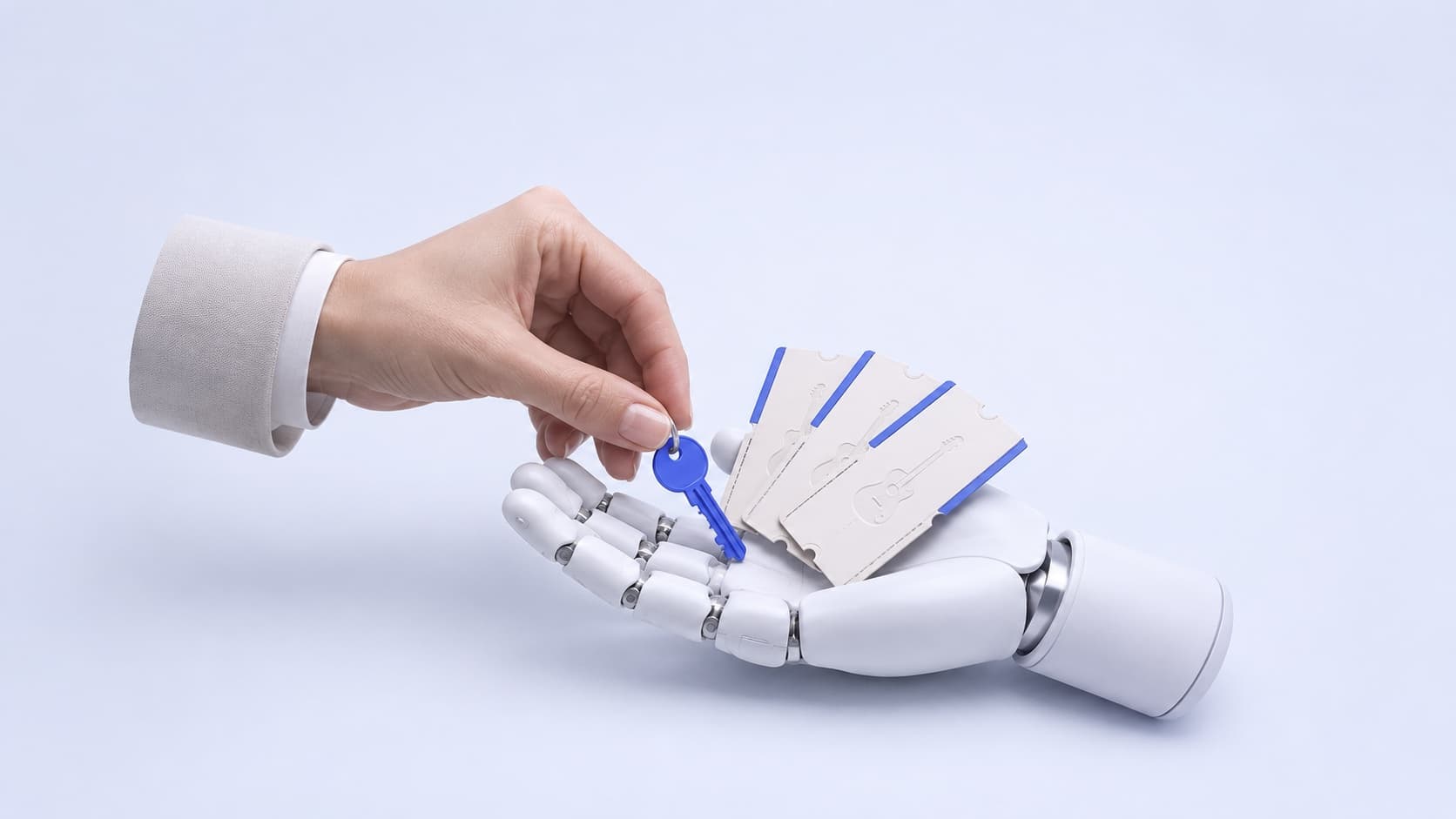
In that phase, the system draws on a person’s calendar, finances and taste in music. Altman’s example is an assistant that notices tickets have gone on sale for a favorite band and buys them without checking first. “The big adjustment is going to be getting used to this idea of a proactive computer,” he says.
An assistant that spends money unprompted needs a limit. That limit cannot be another setting, since the whole idea is that nobody configures anything again. It has to be trust, how far the system has earned the right to decide alone. Altman set out that logic in 2025, when the company introduced an early ChatGPT agent. He warned people not to hand it sensitive tasks. With broad access and no oversight, he said, a manipulated message could trick it into exposing private information or taking an unwanted action. His advice was to give agents only the minimum access a job needs, then widen it as the system earns permission through use.
As of September 2026, no proactive assistant had shipped, and the ticket-buying one was still a description of intent. Two other OpenAI promises, a stand-alone browser and a partnership with Disney, were wound down before they reached most users.