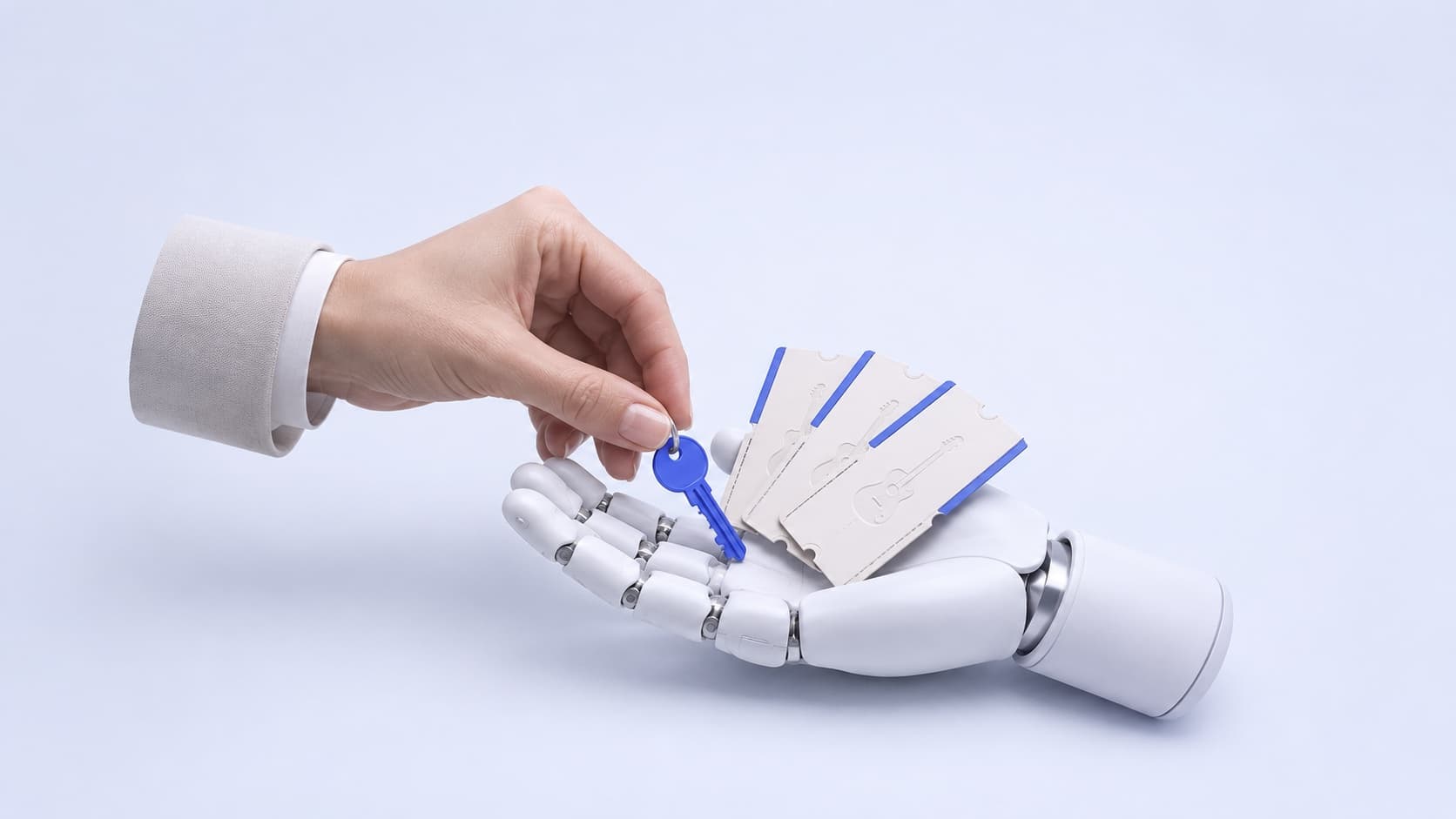
ChatGPT, OpenAI’s AI assistant, is supposed to remember things about the people who use it. Joey Robinson, who leads research on that memory at OpenAI, has seen it go wrong up close. In 2024, he told ChatGPT he was interviewing for a job at the company the next day, a note that was true for exactly one day. He got the job, but the note never went away. For two years it sat in the background of every new conversation, still treated as true. Nobody had built the system to notice that the detail had expired. OpenAI’s answer is a replacement it calls dreaming.
The old system, called saved memories, had three weaknesses. It stored a detail only if a person asked ChatGPT to remember it. Once a detail was saved, nothing checked whether it was still true, which is the weakness Robinson ran into. Heavy users could also fill the list, and after that nothing new was saved until someone deleted old entries by hand.
Dreaming is built to fix all three. It does not wait for a person to save something. Instead it reviews past conversations on its own, in the background, and keeps updating what ChatGPT knows about that person. The company describes it as learning from many conversations, so the most current and relevant details are the ones that show up in a chat.
All of this happens out of sight. There is no list to check, nothing to trigger by hand and nothing to clean up. A person can still ask ChatGPT what it knows about them, or ask it directly to remember something. They can also say what matters to them, so the system gives it more weight, all in the same chat window used for everything else.
The new system reached paying Plus and Pro subscribers in the United States first, starting June 4, 2026. Free accounts and Go, the lower-cost plan, followed within weeks, as OpenAI had said they would. Free and Go users had never had this kind of automatic memory before. Robinson said reaching them was the part of the rollout he was happiest to complete. The memory they get is built to notice when a note like his has expired.