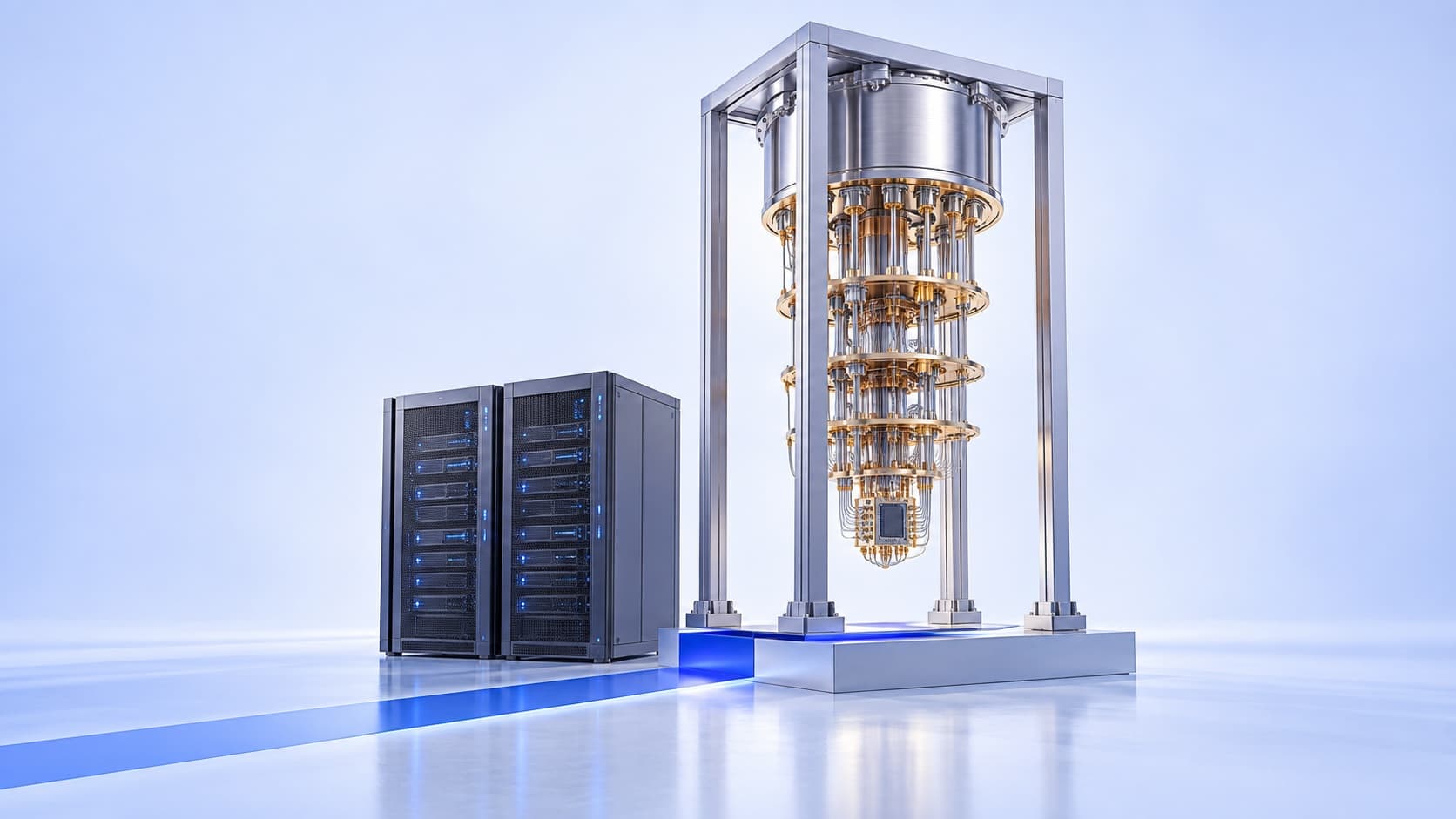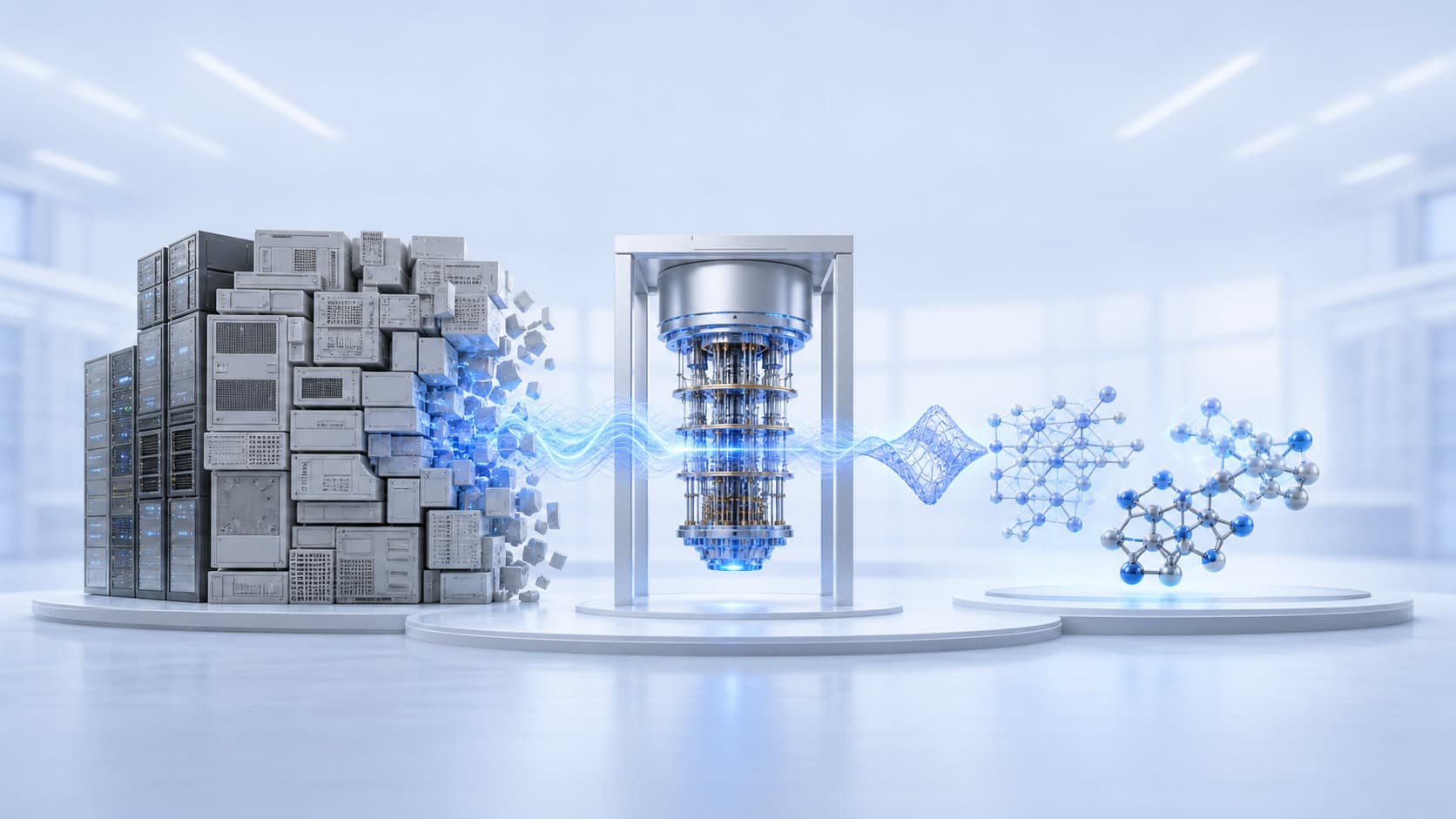
AI is growing fast, but the computers running it are starting to hit a physical bottleneck. An AI model depends on huge sets of numbers that shape how it responds, all stored in memory. Each time someone sends it a request, those numbers have to travel to the processor before the model can use them. As models get larger, that trip becomes a heavier part of the work, which is one reason quantum computing keeps entering the conversation.
The problem starts with the basic design of most modern computers, which keeps memory and processing in separate places. This design, known as the von Neumann architecture, is named for John von Neumann, who circulated it in 1945. Data has to cross real connections on a circuit board, and software cannot wish that distance away. As IBM Research describes it, when data moves slower than computation, processors wait.
For AI, that wait can get expensive. Those numbers run into the billions, and every request sets off repeated calculations across large tables of them.
Quantum computers are built on a different idea. Ordinary computers use bits, which settle as either 0 or 1. Quantum computers use units that can hold a mix of possible states before they are measured, called qubits. The popular shorthand says they can look at many pathways at once. That captures the appeal, but a quantum processor still needs the right kind of problem and the right method. Some hard computing problems may one day suit quantum machines better than ordinary computers.
Fund firms have packaged that possibility for investors. WisdomTree runs a quantum computing ETF that tracks an index of companies involved in the quantum computing industry. Its factsheet names D-Wave Quantum and Rigetti Computing among its top holdings. VanEck casts a wider net with its QNTM fund, whose index also takes in companies that lead in quantum-related patents. A VanEck interim report lists Wells Fargo and Nokia in the portfolio, alongside quantum specialists such as IonQ. Names like those appear because patents and research can also tie a company to the theme. VanEck’s own materials say quantum computing’s commercial success is uncertain.