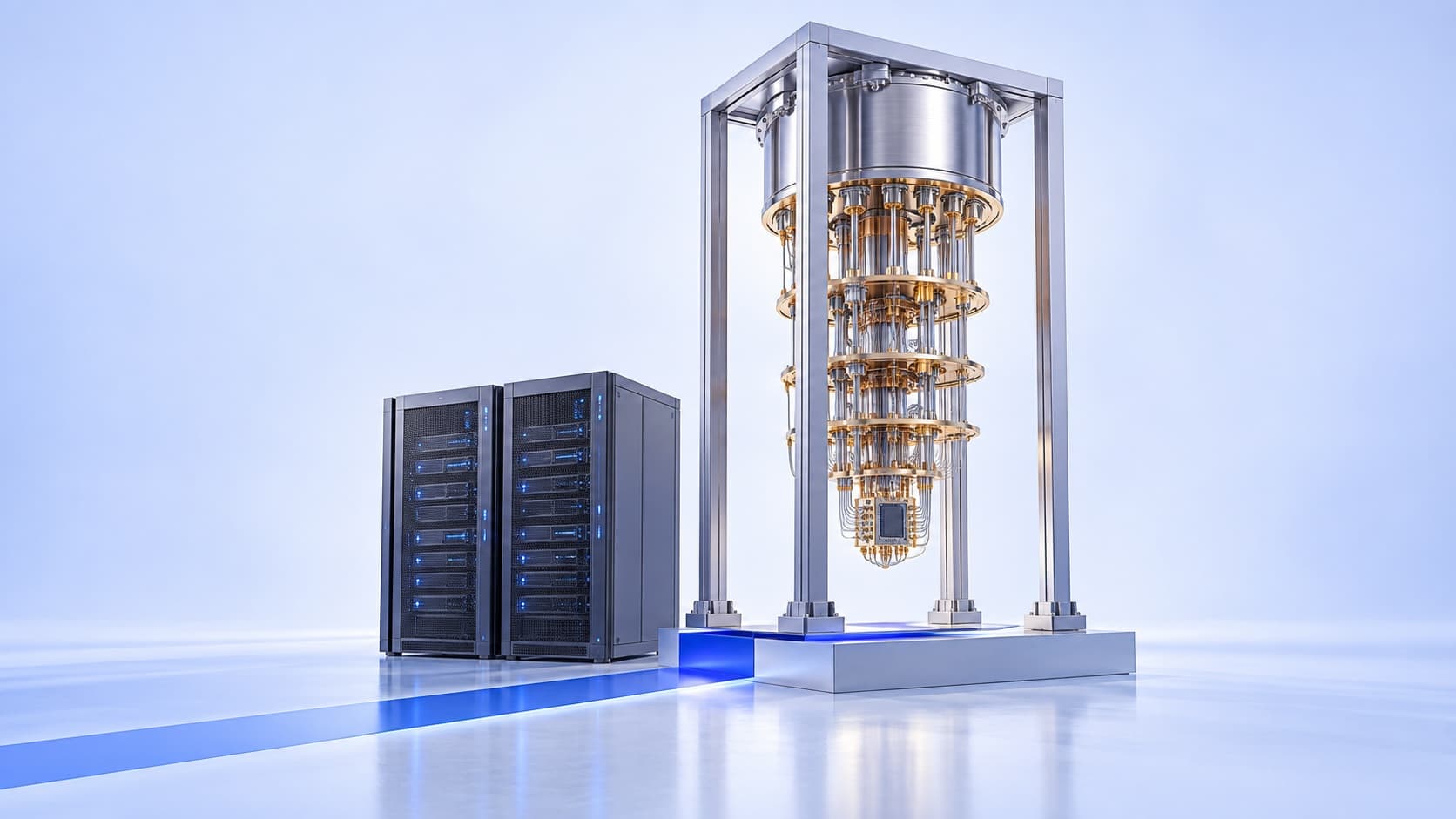
IBM expects a quantum computer to solve a real problem faster than any ordinary machine by the end of 2026. The field calls that moment quantum advantage, and for a long time it carried no date. One quantum computer returned an answer in about two hours, where the fastest methods on ordinary computers were projected to need 3.2 million years. Results like this draw attention, but the machines do little of practical use, and most sit in labs, behind glass.
The reason is fragility. Quantum machines break at the smallest disturbance, so a stray bit of heat, a faint vibration or background noise pulls a calculation off course. A quantum computer calculates with units that can hold a blend of possible states at once, called qubits. Adding qubits makes the machine stronger, but the error rate climbs alongside. Until the errors come under control, a quantum computer stays a demonstration.
IBM is aiming for advantage with Nighthawk, its most advanced quantum processor. It holds 120 qubits, joined by 218 links called couplers. More qubits give the machine more room to work, and tighter links keep a calculation intact across more steps. The design can run calculations 30 percent more complex than anything the company built before, while holding the error rate down. Each gain pushes the hardware a step closer to real work.
A bigger target sits further out. By 2029, the company aims to build its first large quantum computer that can fix its own errors while it runs. Error correction is the hard part. Without it, chips run only short calculations, because a long one collapses under noise before the answer lands. A chip that runs longer reaches answers the short ones never see.
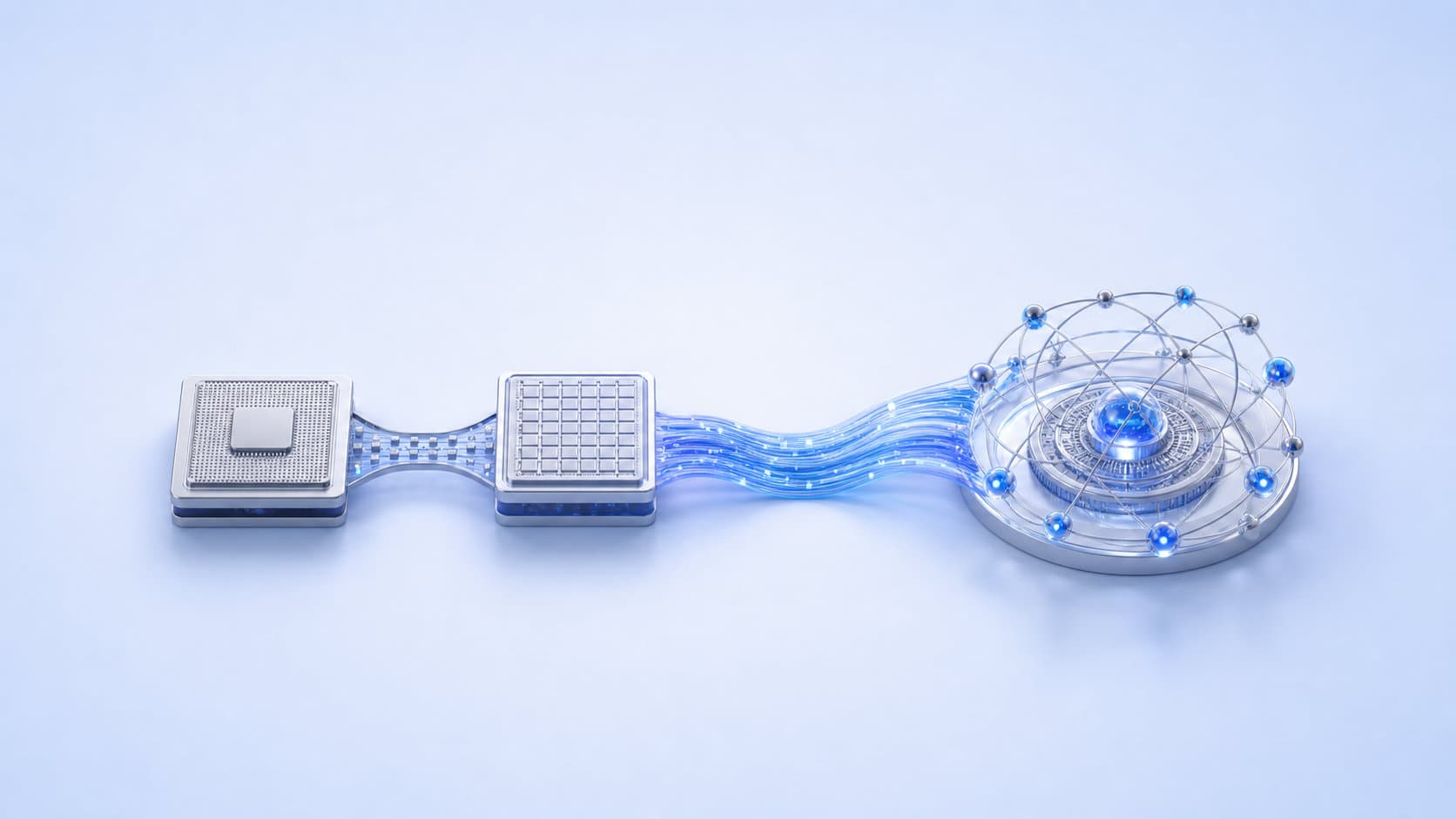
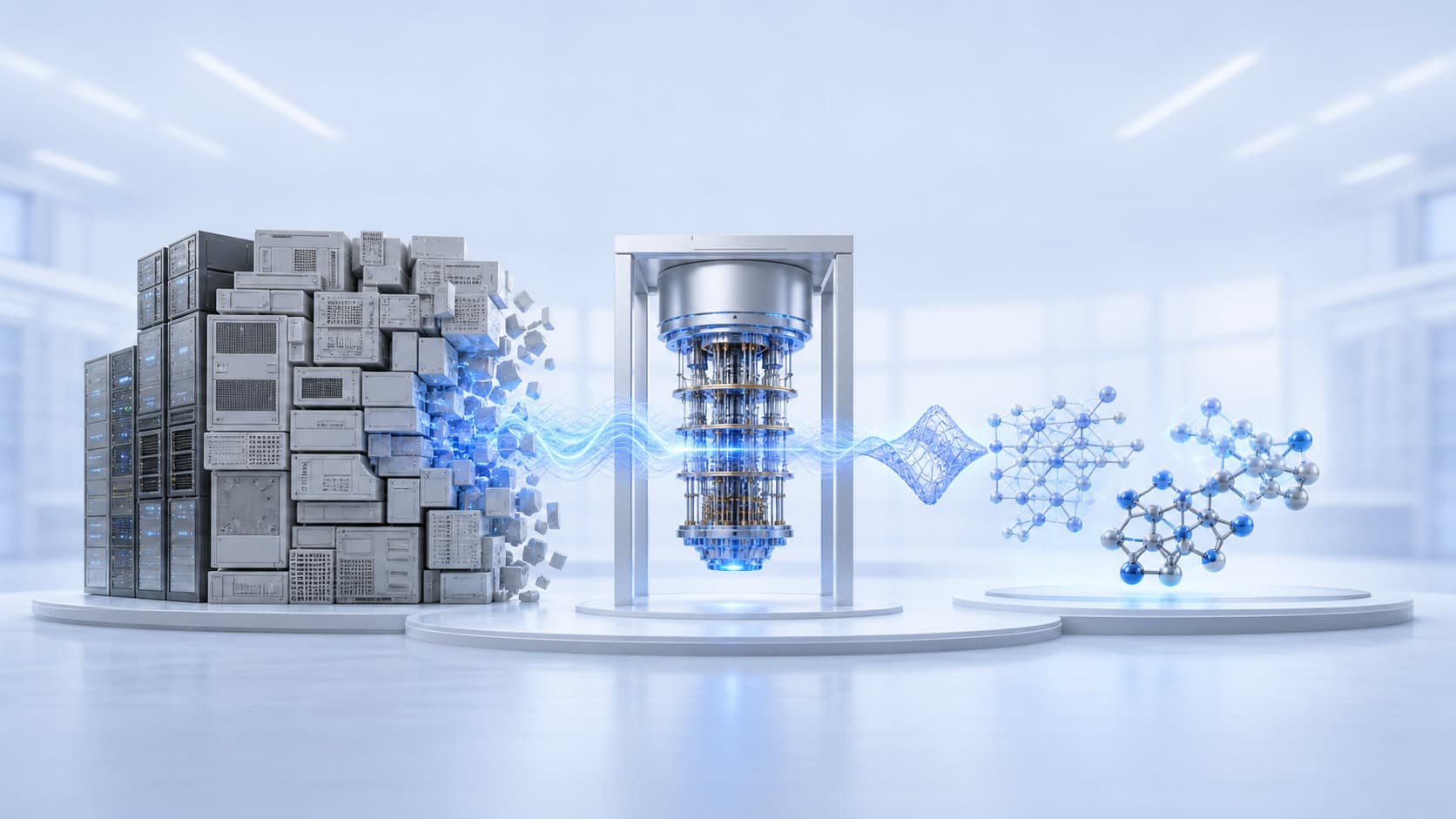
Once machines can fix their own errors, the payoff comes in hard science, where ordinary computers hit limits they never clear. Drug discovery and materials research move faster, and optimization problems once measured in years resolve in weeks. Quantum machines step in only for that narrow set of problems, while most everyday work stays on ordinary computers.
Both dates are IBM’s own targets, and as of June 2026, no quantum machine had reached advantage.