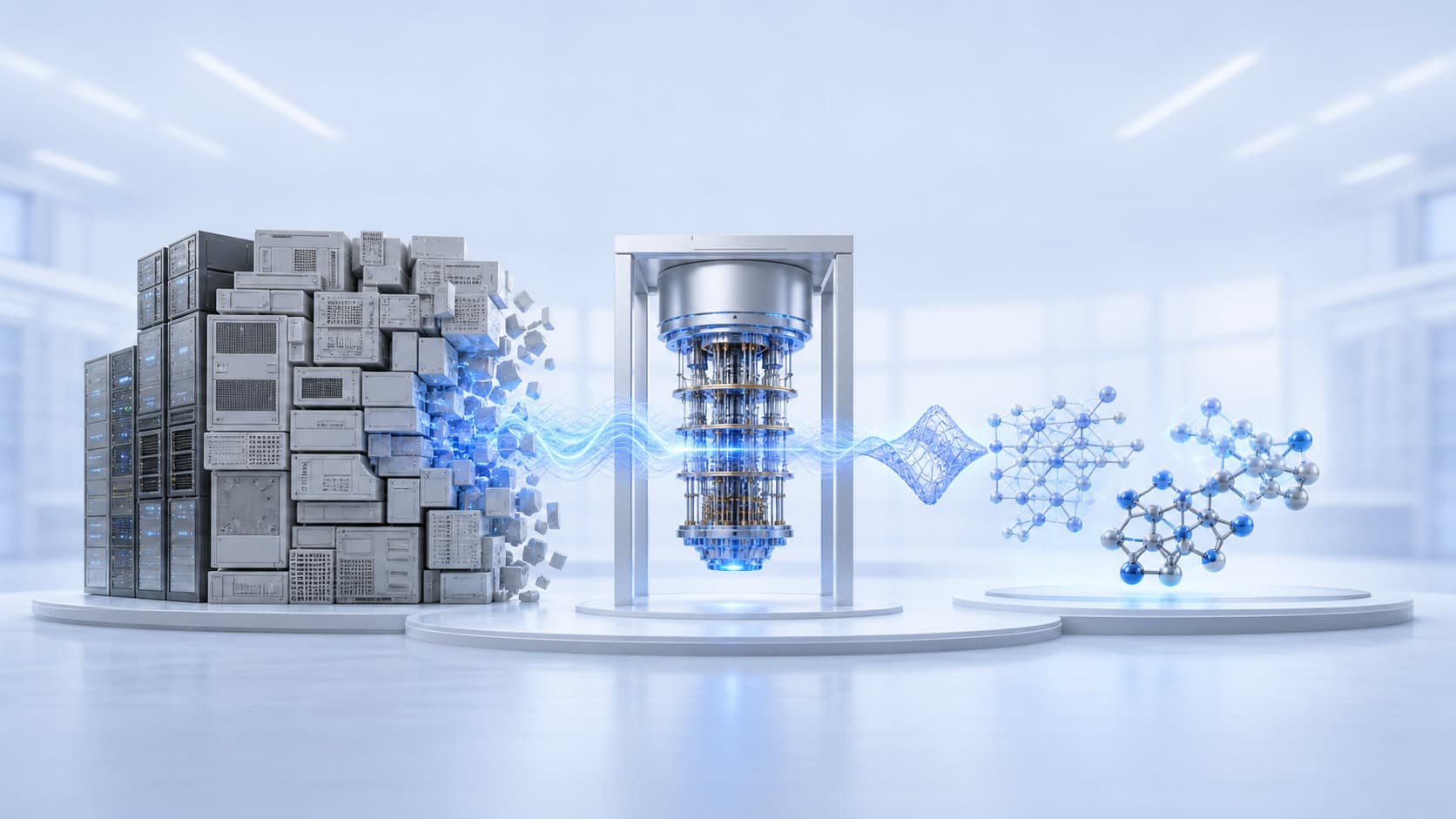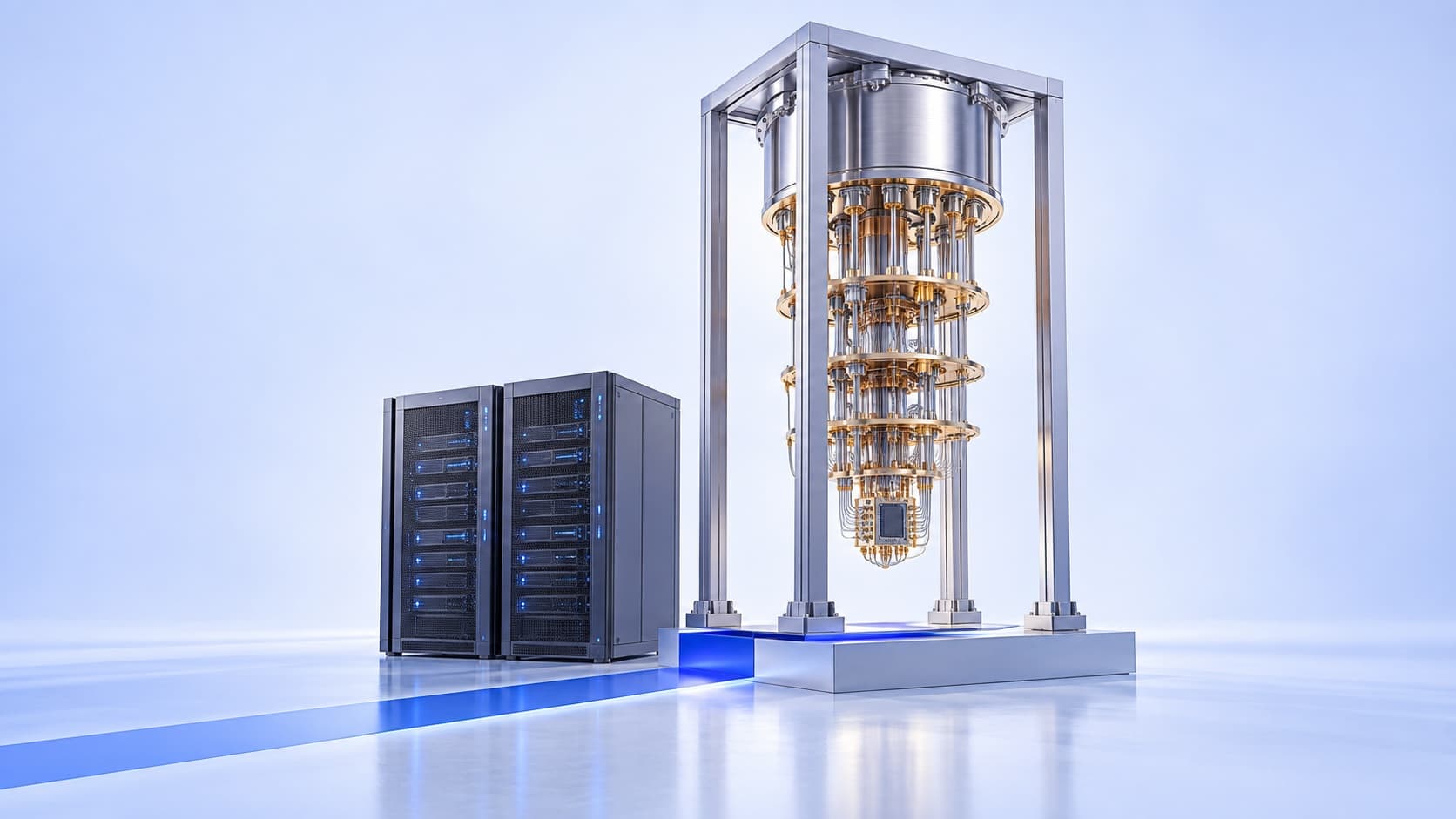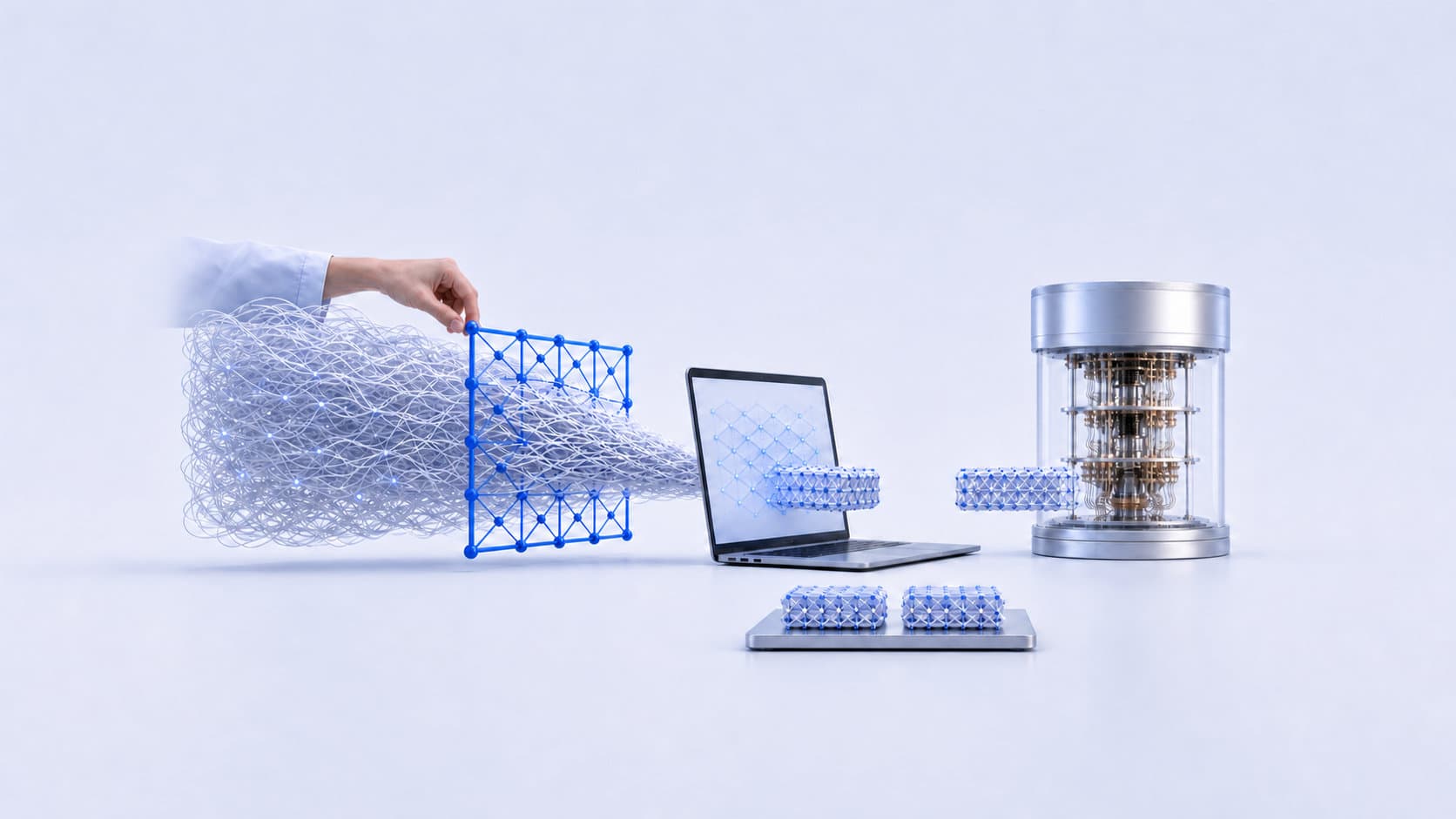
No company is known to have built a quantum computer that can be scaled up to solve the real-world problems often used to describe the field. Microsoft says it expects to have one by 2029, cutting its previous timeline in half. Reuters reported that the target puts Microsoft on a similar timetable to IBM, while Google, Amazon and other groups are also trying to build useful quantum systems.
The date rests on Majorana 2, the company’s next-generation quantum chip, which does its work with tiny units called qubits. Microsoft says its qubits are 1,000 times more reliable than the previous generation’s. They stay stable for an average of 20 seconds, with some lasting a full minute.
Quantum computing promises machines that can eventually tackle problems too large for normal computers. But quantum systems are fragile, and small disturbances can cause errors before useful work gets done. Longer stability gives the system more room to calculate before errors take over. The company compares the gain to a phone battery that used to last a day and now lasts nearly three years on one charge.
Majorana 2 uses lead where the previous version used aluminium. The company says lead improves the chip’s quality and protects fragile qubits from disturbances. But the metal can wash away during chipmaking, which the company says it solved with a specialised process. Its quantum team also used AI to manage workflows, automate measurements, improve chipmaking, find hidden flaws and propose possible solutions. Even so, it credits human scientists with the switch to lead.
The science underneath is still disputed. The company’s approach depends on unusual particle-like effects inside materials, called Majoranas. It says it has observed them, but some physicists remain unconvinced. The journal Science described the Majorana 2 announcement as a continuation of controversial claims. A 2018 paper in the journal Nature, tied to earlier Majorana work, was later retracted.
Critics focus on proof. Some physicists argue that Microsoft has not released enough public data for others to check its claims independently. The company says commercially sensitive information cannot all be made public. It says it has shared detailed data with DARPA, the US defence research agency, as part of that agency’s quantum evaluation work. One critic quoted by Reuters said other scientists have to be able to reproduce the results.