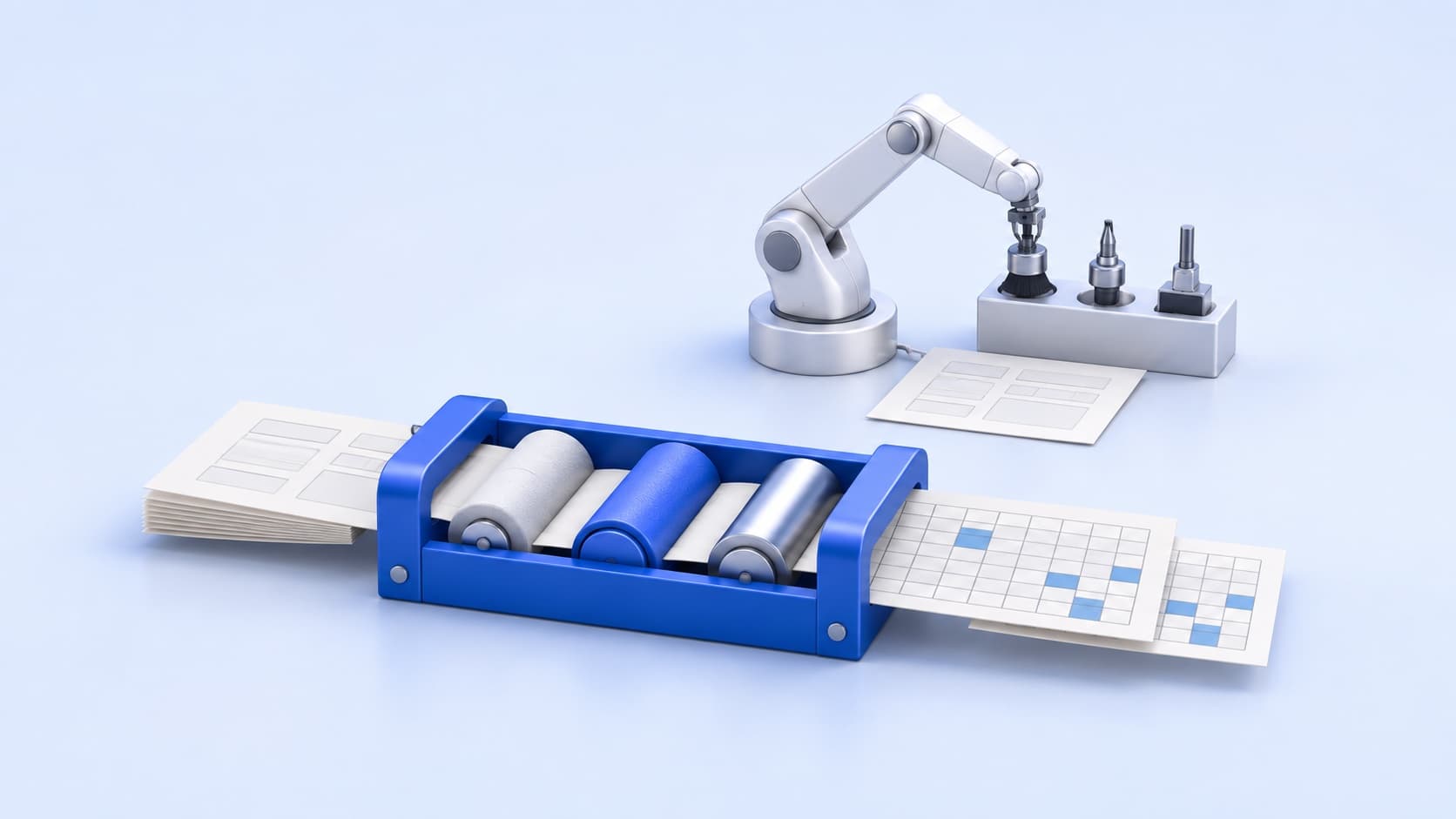
Plenty of advice tells executives to build AI agents. Almost none of it explains what one is. An AI agent is a tool, powered by AI, that does a task for a person, but the word covers tools doing very different jobs. A chatbot that answers a question is one, and so is a system that runs a whole job on its own. Eight kinds are in regular use, each shown here with a working product.
The simplest is the AI a person types into. The models behind ChatGPT and Claude are trained to write text in reply to a typed request, so they answer questions and draft writing. On their own, they change nothing in anyone’s accounts or files. Every kind after this one can act.
A second kind connects the AI to a person’s software. Microsoft Copilot reaches into email, calendar and files through a work account. It carries out tasks inside those tools, using the person’s own information.
Some agents edit the work itself. Cursor reads a software project’s code, edits the files in place and saves the result.
Others pass work along a chain, like an assembly line. Zapier connects thousands of tools, such as Gmail, Slack and a CRM, so an action in one starts an action in the next. A new form entry can create a contact, send a welcome email and post to a channel, with no person in between.
Another kind splits a job into pieces and works on them at the same time. Devin, a coding tool built to write, test and ship code itself, handles a large project this way, then brings the parts back together.
Others sort incoming requests. Intercom reads a customer message, works out whether it needs billing or technical support, and sends it to the right team.
One kind waits for a person’s approval. Jasper writes content, then holds it until someone signs off. The drafting runs on its own, while the choice to publish stays with a person.
The last kind creates other agents. Manus runs a main task, and when it reaches a part it is not built to handle alone, it creates a new agent for that part. The main job keeps moving instead of stopping.
A team does not need all eight. One kind, matched to a real problem, is enough to put together a system that solves it.