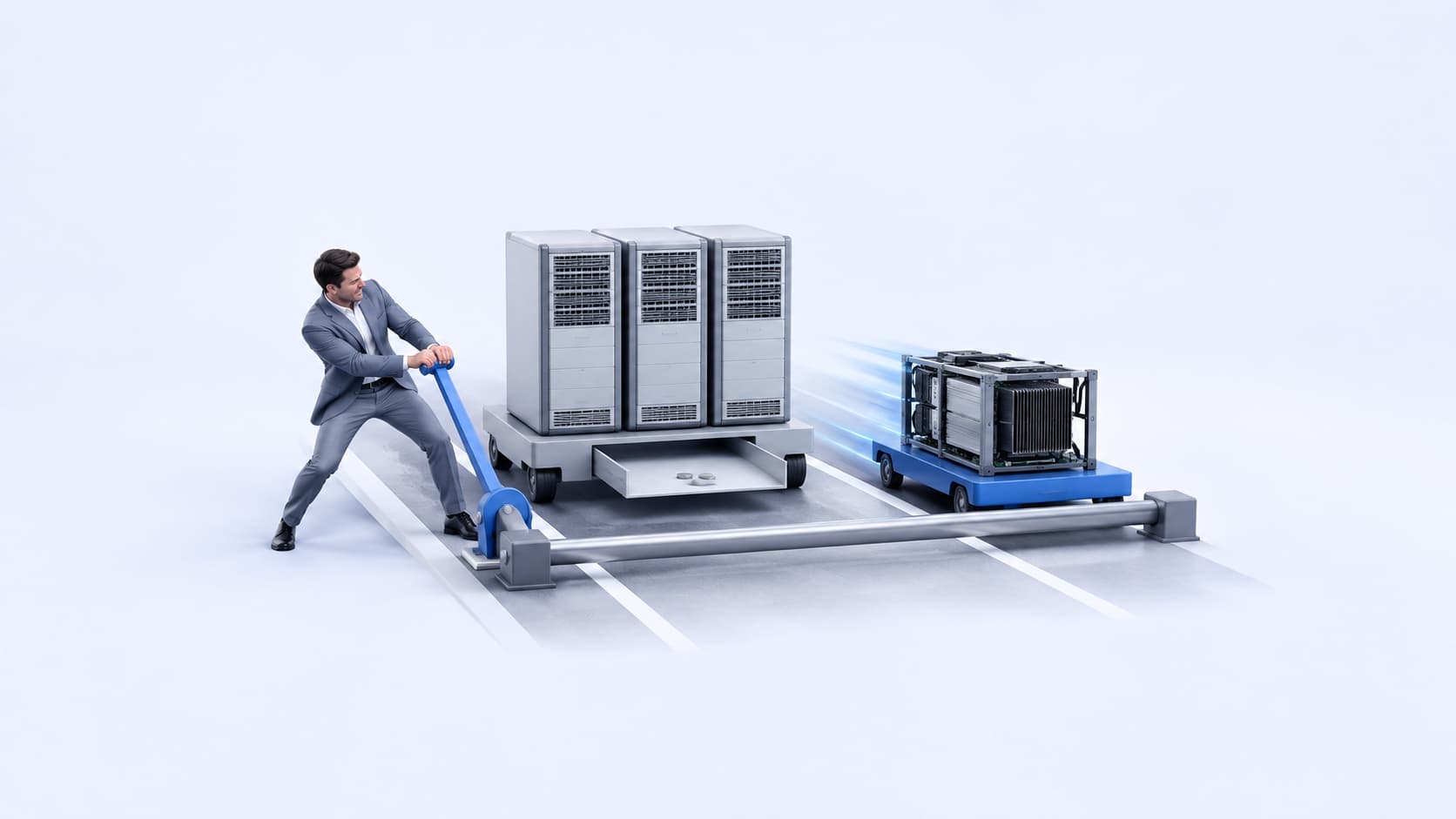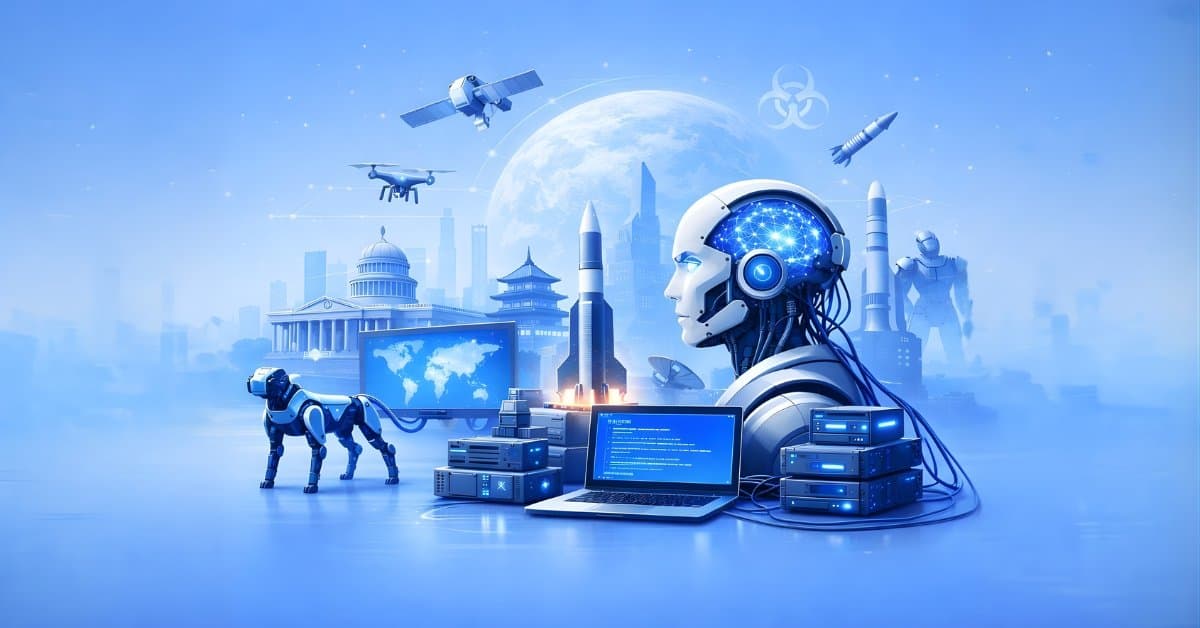
AI fear has become part of the sales pitch. The strongest warnings often come from the companies that build AI, sell access to it and offer tools to manage its risks. The warning can be honest. The incentive behind it still needs to be read carefully.
The warnings centre on jobs and cyber security. Both attach to payroll and software risk, costs already sitting inside a business, and that makes the fear easier to sell.
Anthropic, the company behind the AI assistant Claude, gave one of the clearest examples in May 2025. Its chief executive, Dario Amodei, told Axios that AI could wipe out half of entry-level white-collar jobs, pushing unemployment to 10 to 20% within one to five years. He called on AI companies and government to stop softening the message. That warning also put Anthropic near the centre of the response to job losses.
The cyber security warning follows the same pattern. Anthropic says its AI model Claude Mythos Preview has found thousands of previously unknown flaws in major operating systems, web browsers and other important software. It adds that the model could work out how to attack those flaws without a person steering it. Then comes Project Glasswing, the company’s controlled way to use the same model to find and fix those flaws.
That creates a neat commercial loop. The company warns about the danger, then offers the safer path through its own model, access rules and partners. In cyber security that path has practical value, because missed flaws can lead to attacks and downtime. The loop also blurs the line between describing a risk and selling the fix.
The strategy works because talk of risk can make a seller sound more credible. Research in the journal Health Communication found that people can rate a source as more trustworthy when it presents risks as well as benefits.
On jobs, the evidence is weaker than the warnings. A study from the National Bureau of Economic Research heard from nearly 6,000 senior executives in the US, UK, Germany and Australia. Over 80% of their firms reported no effect from AI on employment or productivity over the past three years. Looking three years ahead, the same firms expect AI to cut employment by 0.7%.