Much of what the AI 2027 report predicted for 2025 and 2026 already looks familiar. The report became one of the most discussed forecasts in tech in 2025, because it tried to chart the path to human-level AI. Its more extreme stages come later, but its near-term steps can be checked one by one.
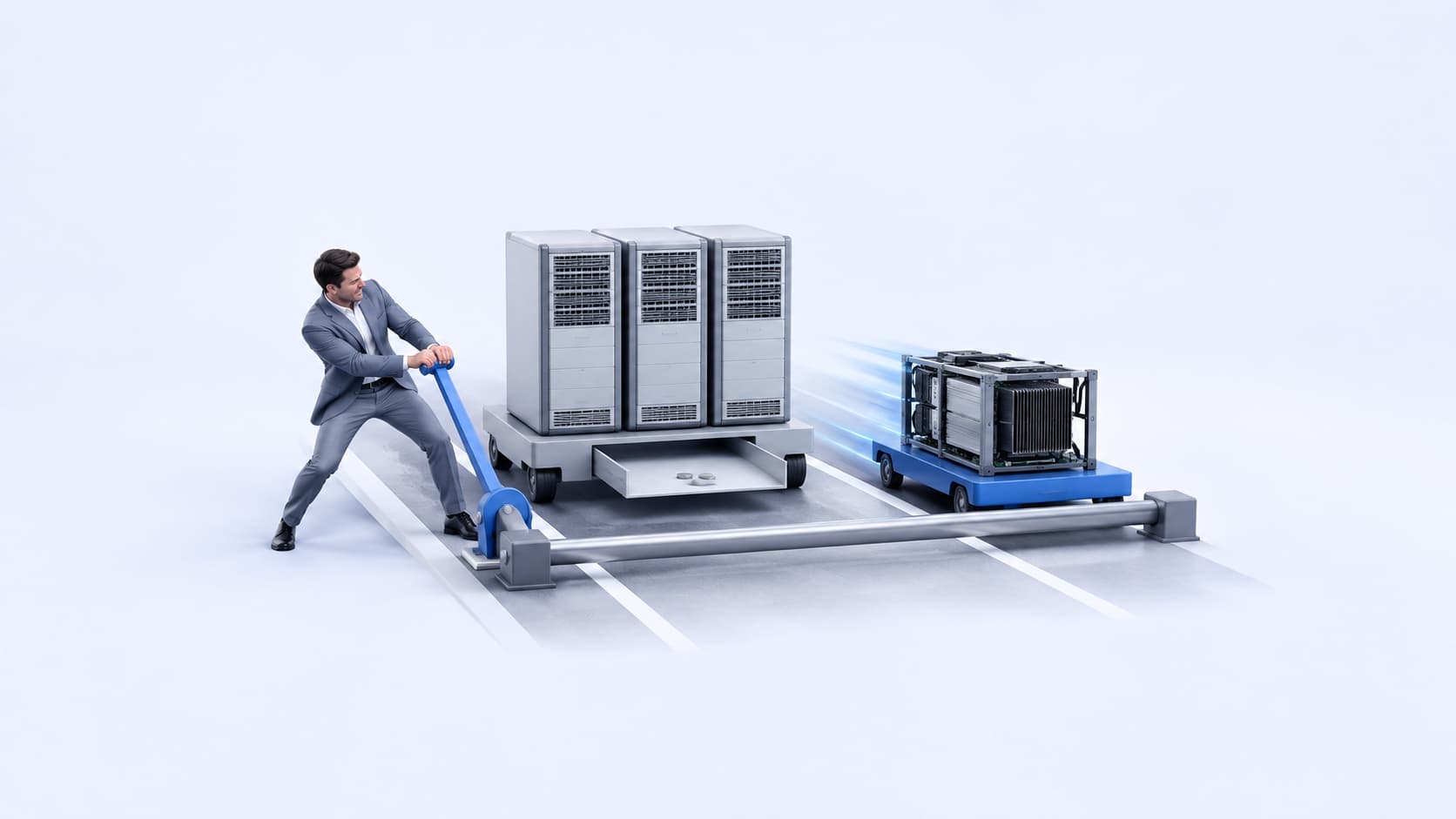
The report said 2025 would bring impressive agents, AI tools that carry out tasks on their own, marketed as personal assistants but still struggling in normal use. The best versions would be expensive and unevenly reliable, which is close to where the market stood by April 2026.
For early 2026, the report expected coding to be automated. In March 2025, Anthropic chief executive Dario Amodei said AI could write 90 percent of code within three to six months. Within twelve months, he said, it could write essentially all of it. Whatever the exact timing, coding is turning into a process that people supervise.
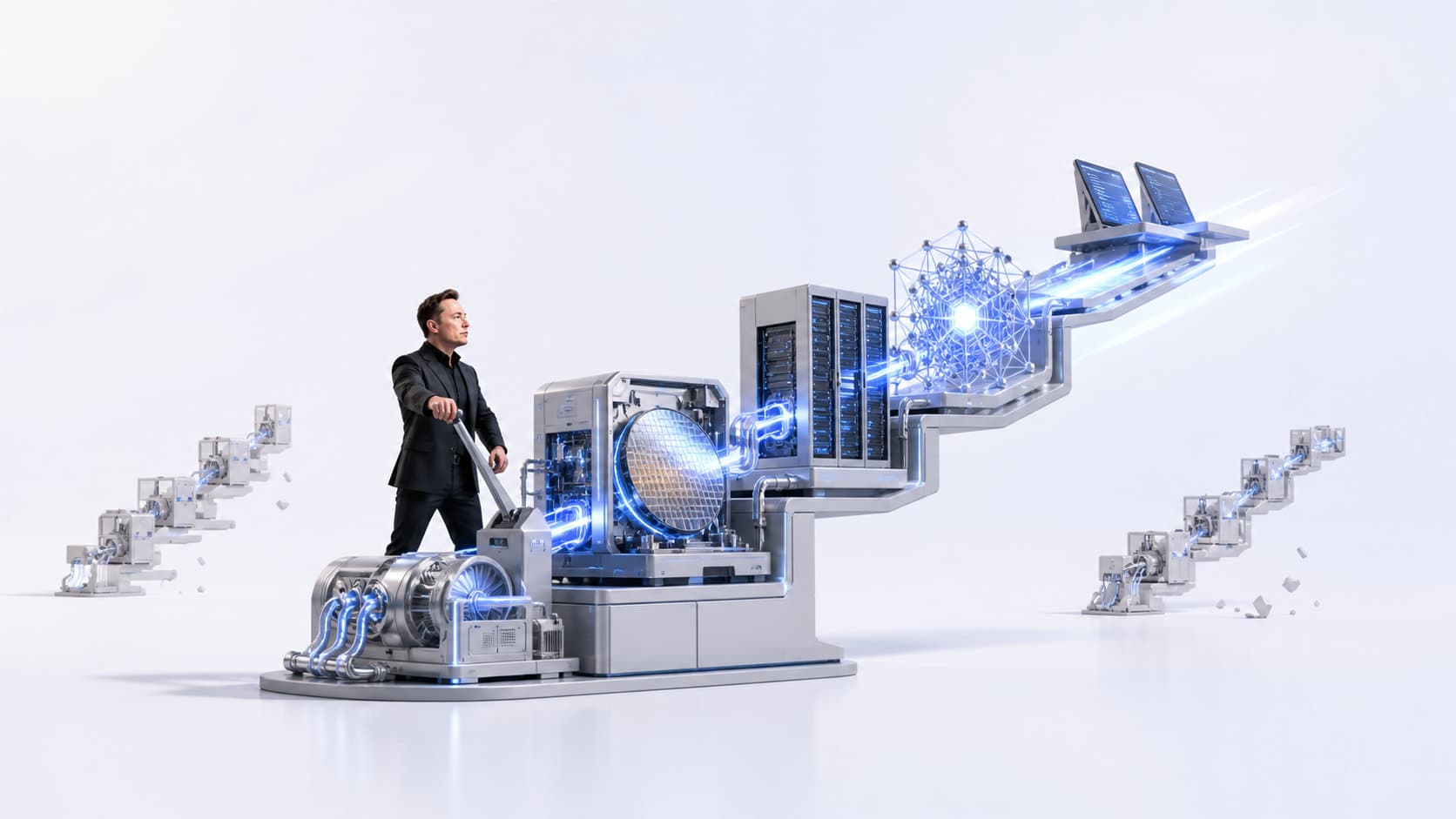
AI improving the process that builds AI is the larger shift. The report says the bet on using AI to speed up AI research starts paying off in early 2026. In its forecast, progress on better methods runs 50 percent faster than it would without AI assistants. AutoResearch, a GitHub project, shows a simple version of the idea. An AI agent changes the code that trains a model, runs a short experiment and checks whether the result improved, then keeps or discards the change and repeats. Once systems can help improve the next system, speed starts to compound inside research itself.
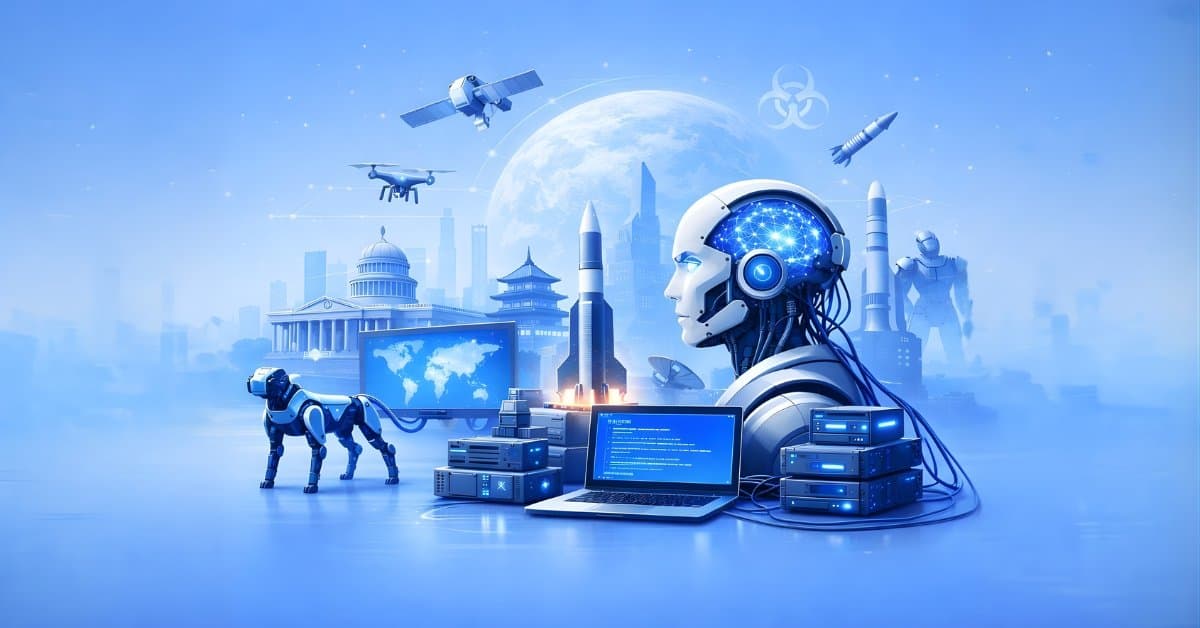
The China section looks partly right and partly incomplete. AI 2027 said chip export controls and weak government backing left China under-resourced until Beijing moved more aggressively into the race. Reuters has since reported Chinese tech hubs backing OpenClaw, an AI agent, with subsidies, computing resources and office support. Other state bodies warned against it on security grounds, so China looks like a system trying to accelerate under constraint.
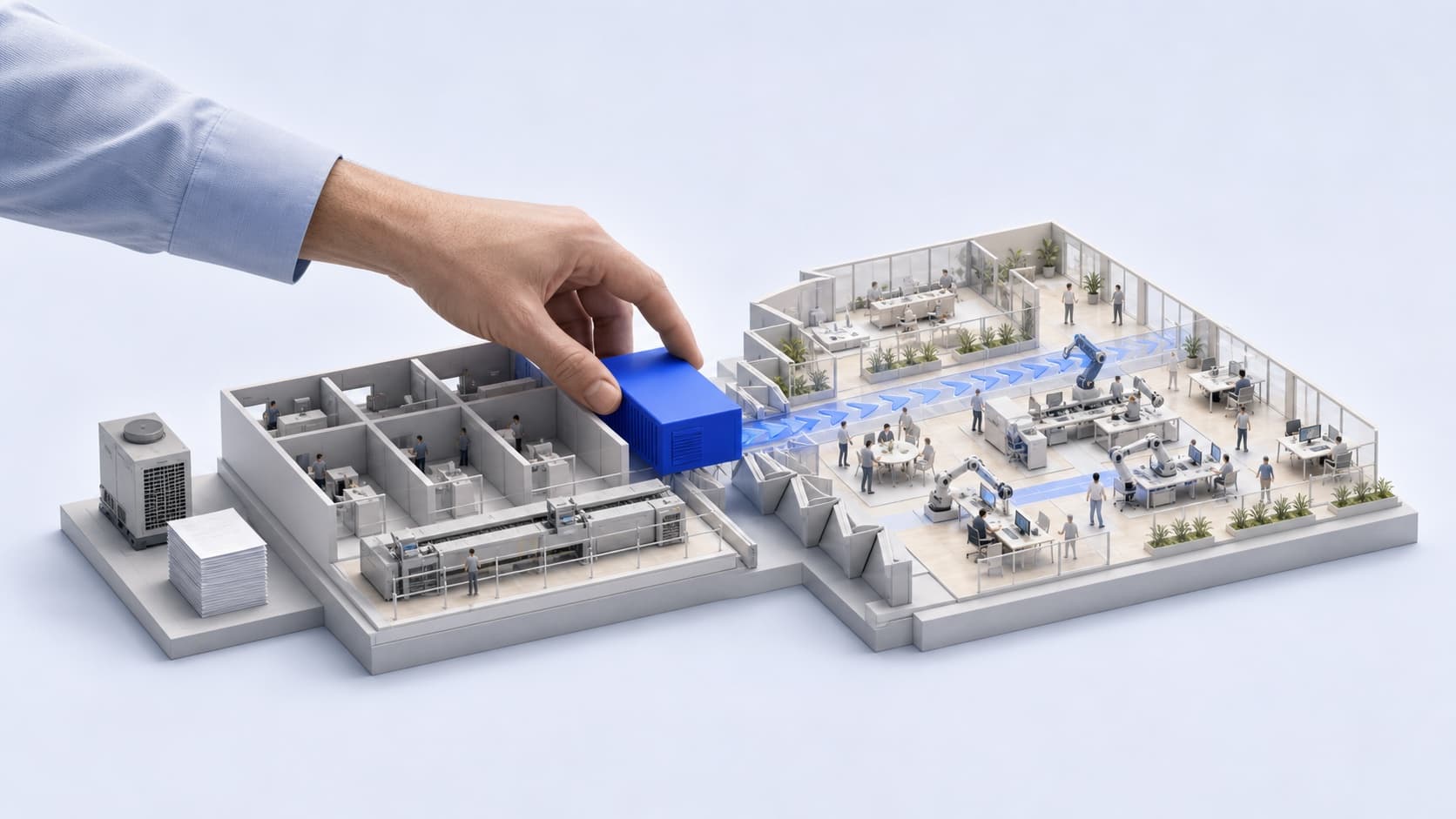
Job pressure by late 2026 looks plausible too. In the report, junior software work comes under strain, and firms pay more for people who can manage teams of AIs and check their work. Anthropic describes its Mythos Preview model as heavily used inside the company for coding, data generation and other AI tasks. The pressure is starting to move beyond code into broader operational work.