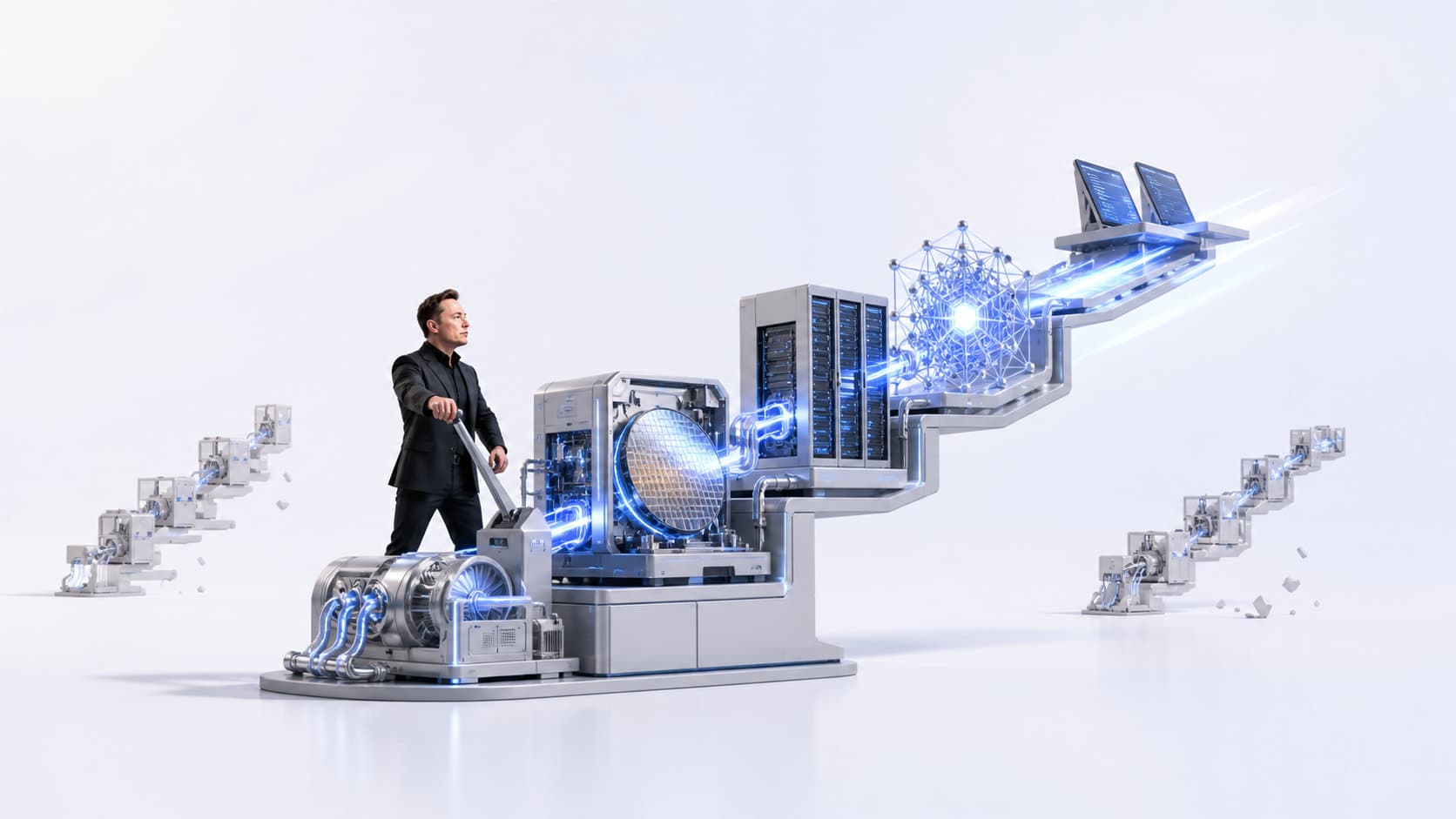
In early 2026, the consensus on Elon Musk’s place in artificial intelligence was blunt. OpenAI had ChatGPT and Anthropic had Claude, both AI assistants, while Musk had Grok, a rival few people bothered to open, let alone pay for. By August, that view no longer held. Three moves made within two months explain why, one each for the model, the software developers who pick AI tools and the computing power underneath.
The first move was the model. Grok 4.5, from Musk’s company xAI, still trails the best systems from OpenAI and Anthropic in independent tests by the firm Artificial Analysis. But that one release gained sixteen points on the firm’s overall score, called the Intelligence Index, which put it close to the leaders. The gains came with a catch. The share of its answers that were wrong but stated with confidence rose from 25 percent to 54 percent.
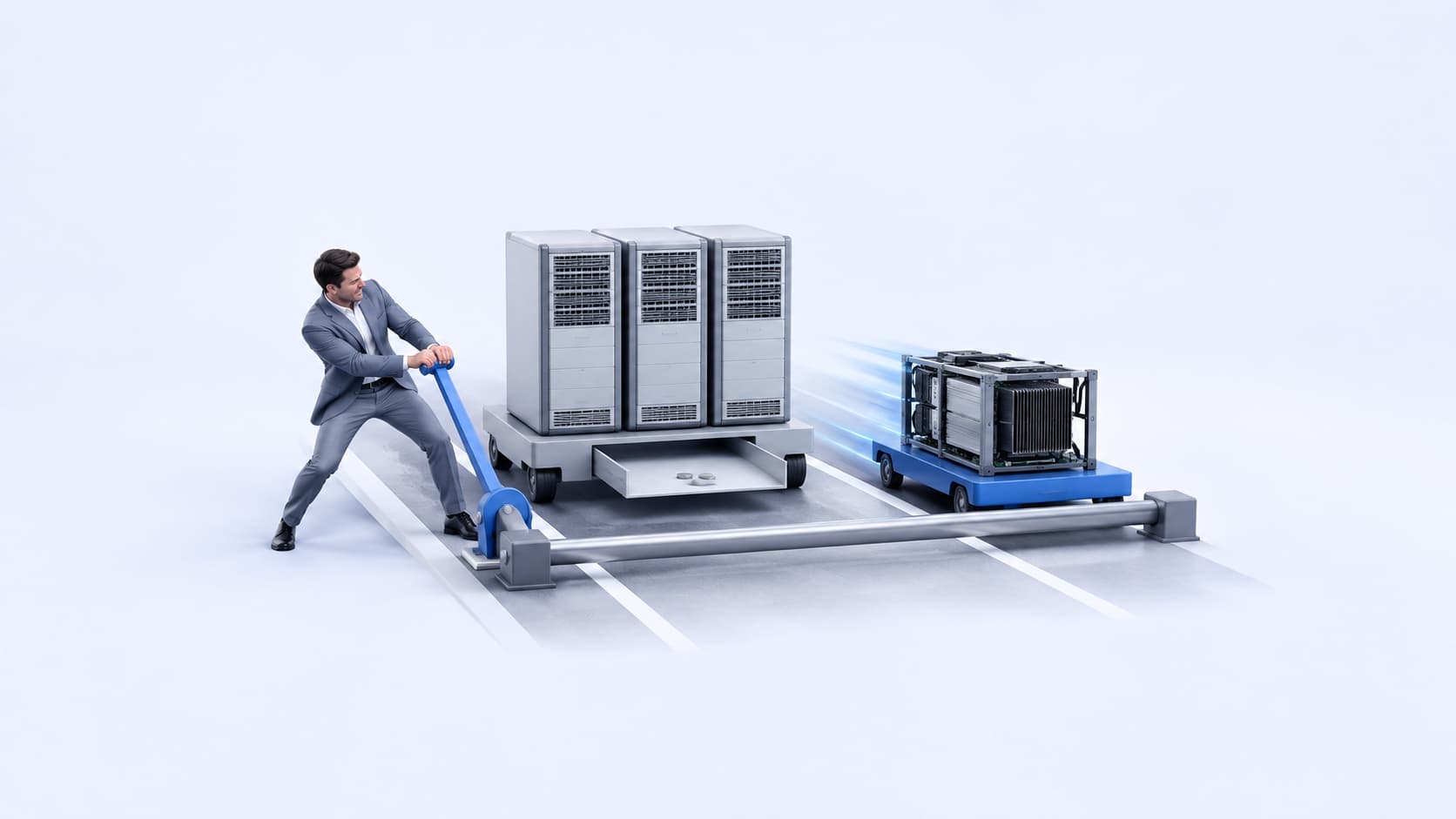
Price is where Grok 4.5 stands out. Anthropic’s Claude Fable 5 charges five times as much as Grok for the text it reads and more than eight times as much for the text it writes. On coding work, Grok scores within a point of Fable 5 and level with OpenAI’s GPT-5.5, at roughly a fifth of the cost per task.
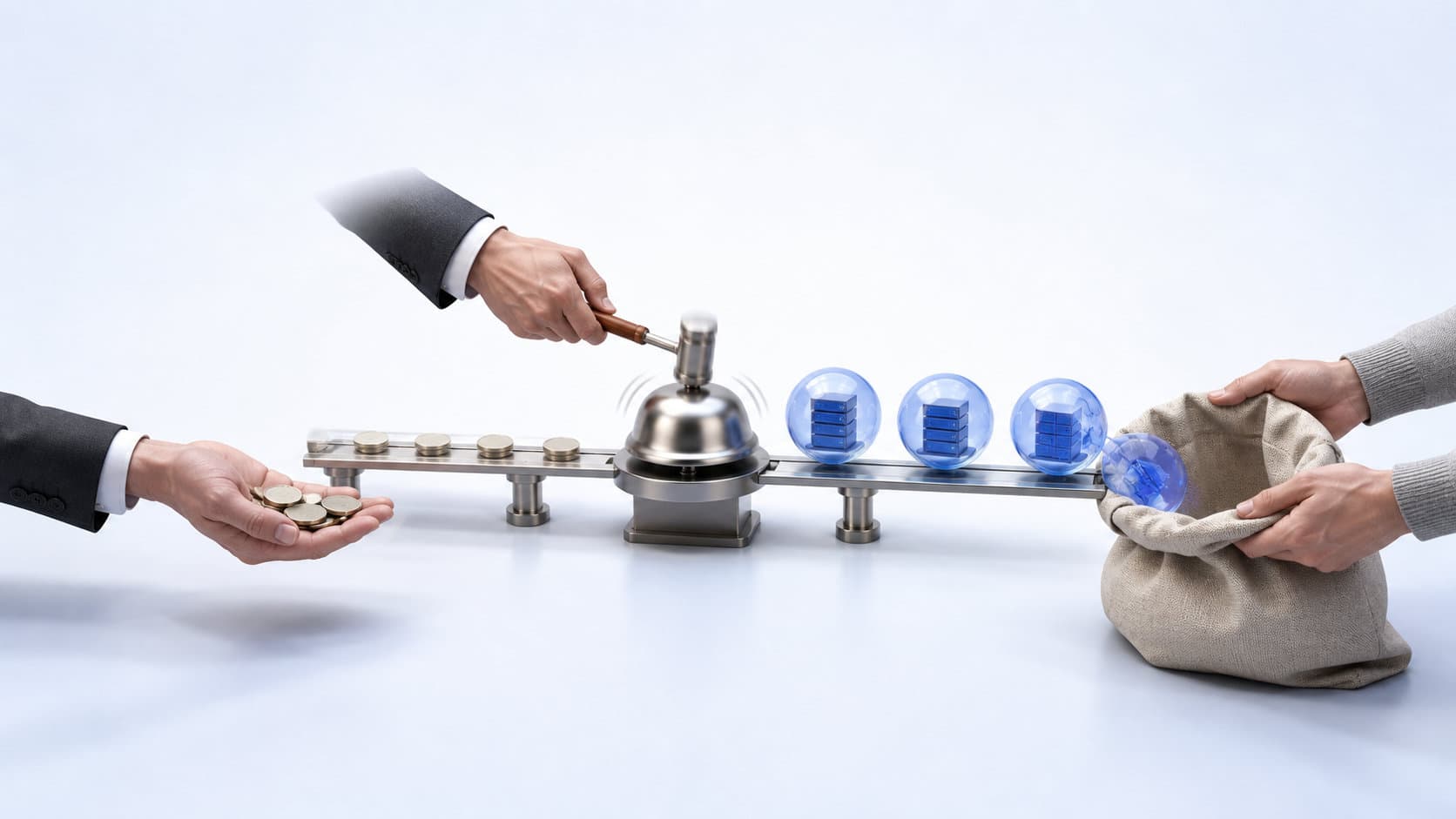
Next came the developers. SpaceX, which absorbed xAI in 2026, closed a $60 billion deal for Cursor in August, the largest acquisition ever made for a venture-backed startup. Cursor is a coding tool that millions of developers use every day, and those developers quietly decide which AI models get used at work.
Computing power is the largest piece by far. Musk told SpaceX employees that Grok’s data centers, in Memphis and Southaven, Mississippi, draw 1.4 gigawatts of electrical capacity. He plans to reach 10 gigawatts, about seven times as much, by the end of 2027. He put the possible payoff at $300 billion to $500 billion a year in revenue, if the capacity gets built and sold.
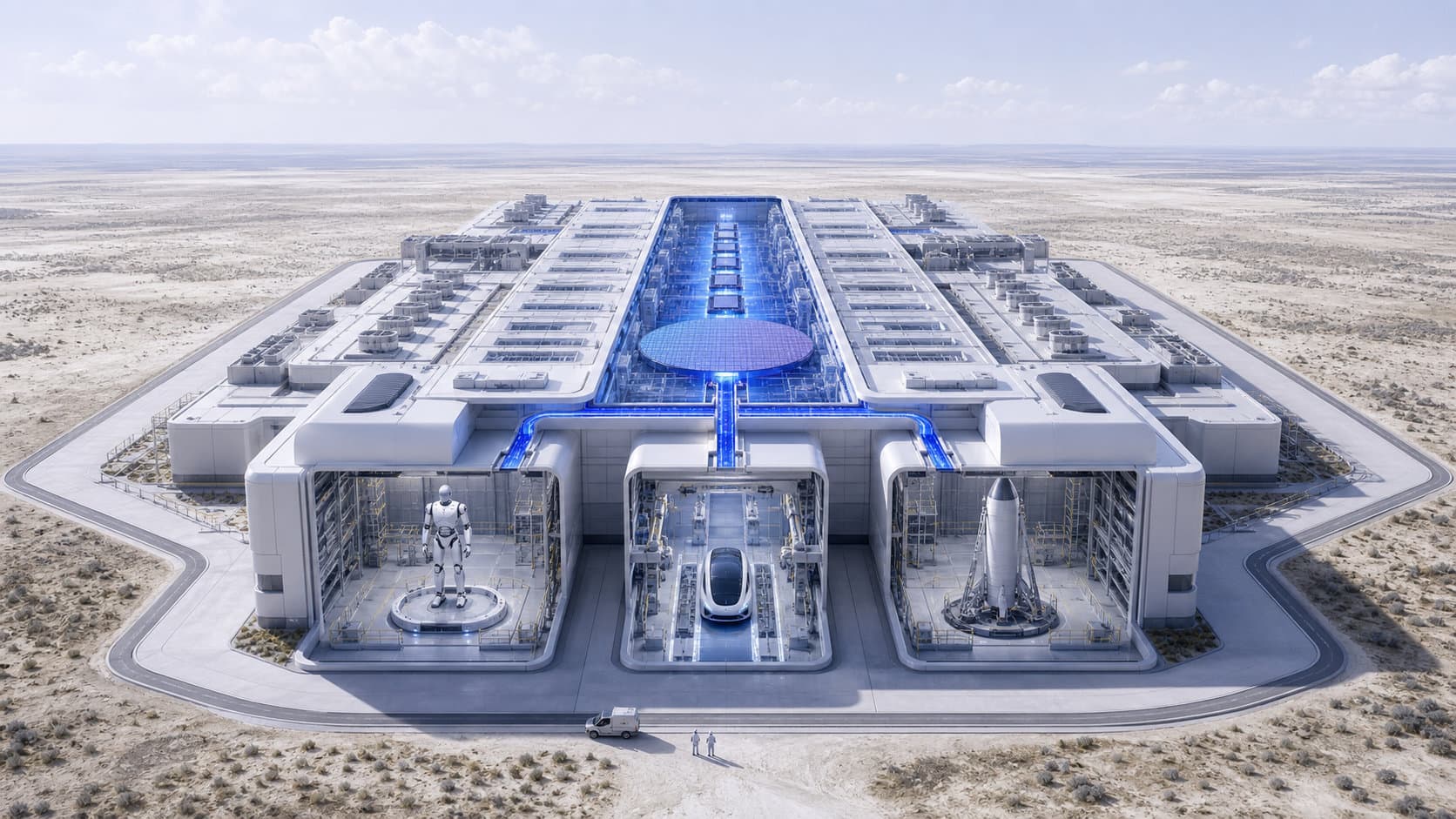
Tesla and SpaceX are also spending to secure the chips behind those numbers. They are building Terafab, a $16.8 billion chip complex in Grimes County, Texas. The companies call it the largest chip factory ever planned, at more than 100 million square feet, though it has yet to produce a single chip.