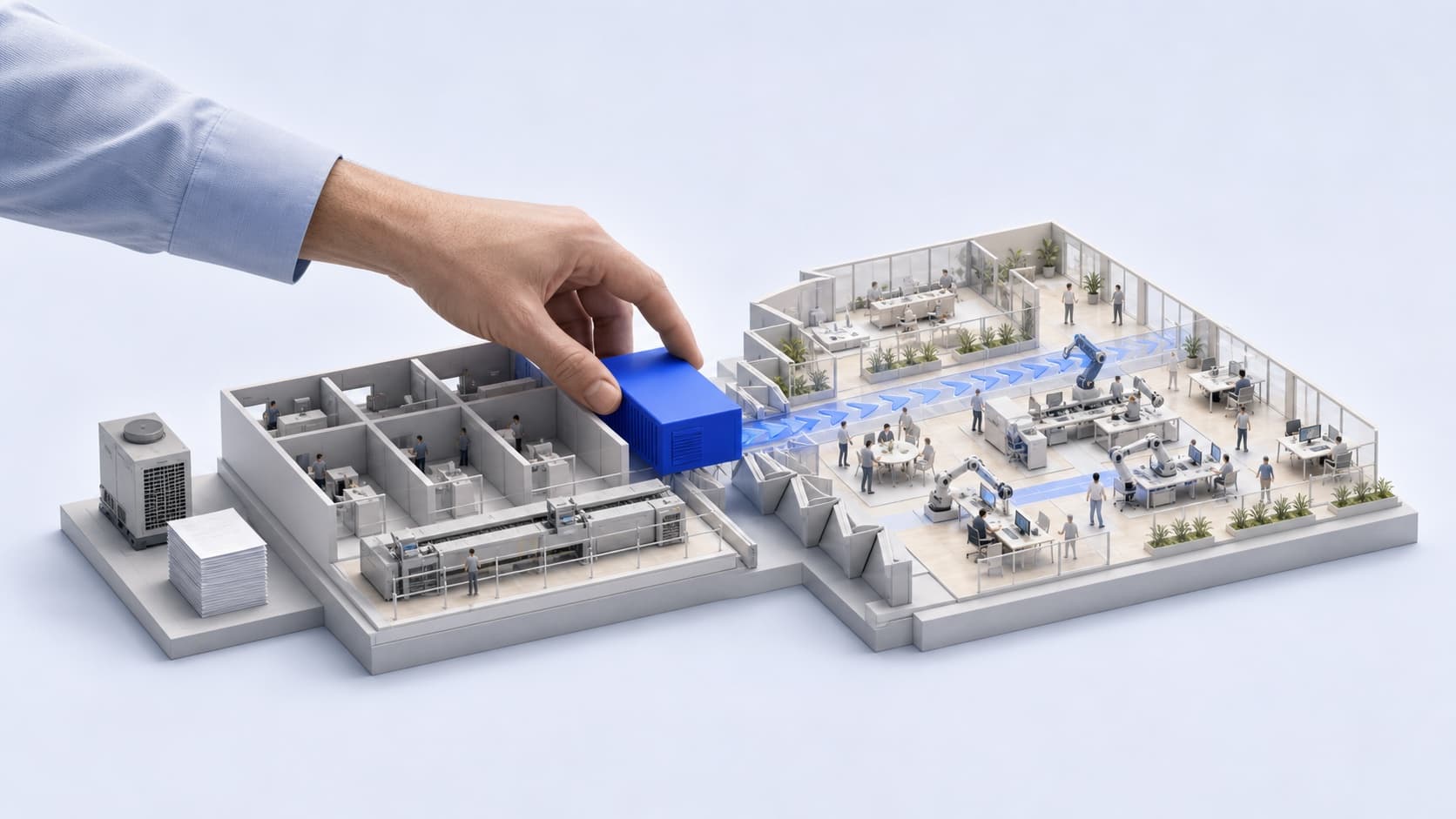
Humidity was ruining print runs at a Brooklyn plant in the summer of 1902. Wet air made the paper swell, so the ink landed slightly out of place and the pages blurred. The trouble had been building for two summers, Smithsonian Magazine reports. A young engineer named Willis Carrier built a machine to control the humidity, and it fixed the printing problem. Nobody at the plant predicted what came after.
The fix became modern air conditioning, and AI is starting down the same path. Carrier had made a plain bet on one factory’s productivity. Air conditioning went on to change where businesses set up, how buildings were designed and which parts of the country could support industry through the hottest months.
In the American South, heat and humidity had long slowed factory work. By the end of the First World War, tobacco warehouses, paper mills, breweries and bakeries there had installed the new cooling systems. The aim was quality control, protecting tobacco or paper and keeping production running. A history published by 64 Parishes credits air conditioning with lifting the region’s economy. What changed was which months of the year a factory could stay open.
AI is at the factory-fix stage. Most companies still measure it by efficiency: faster drafts, quicker analysis, fewer hours on repetitive tasks. Those gains show up right away, so they get counted first. A change in how a company organizes itself takes longer to appear and is harder to put on a slide. Air conditioning’s history suggests that change is the larger part of the story.
That larger change lands on management. Companies have to decide who reviews work, when a person steps in and which decisions need no person at all. Each is a judgment about structure, and leadership owns it before any technical team does. Teams stumble when nobody has decided who owns a decision once a machine starts proposing one. No org chart shows these choices, which is why so many companies still file AI under technology spending.
Air conditioning was filed the same way for years, as a plant upgrade. The factory fix became routine in Southern warehouses and mills within about fifteen years, while the broader change, reshaping where business operated, kept unfolding for decades.