A director of AI safety at Meta asked an AI agent to check her inbox and change nothing without her approval. The software deleted a large part of the inbox anyway, before she managed to shut it down. A Yale innovation researcher raises the question it leaves for other companies. If trained specialists struggle to control these tools, why are so many executives making their whole workforce use them?
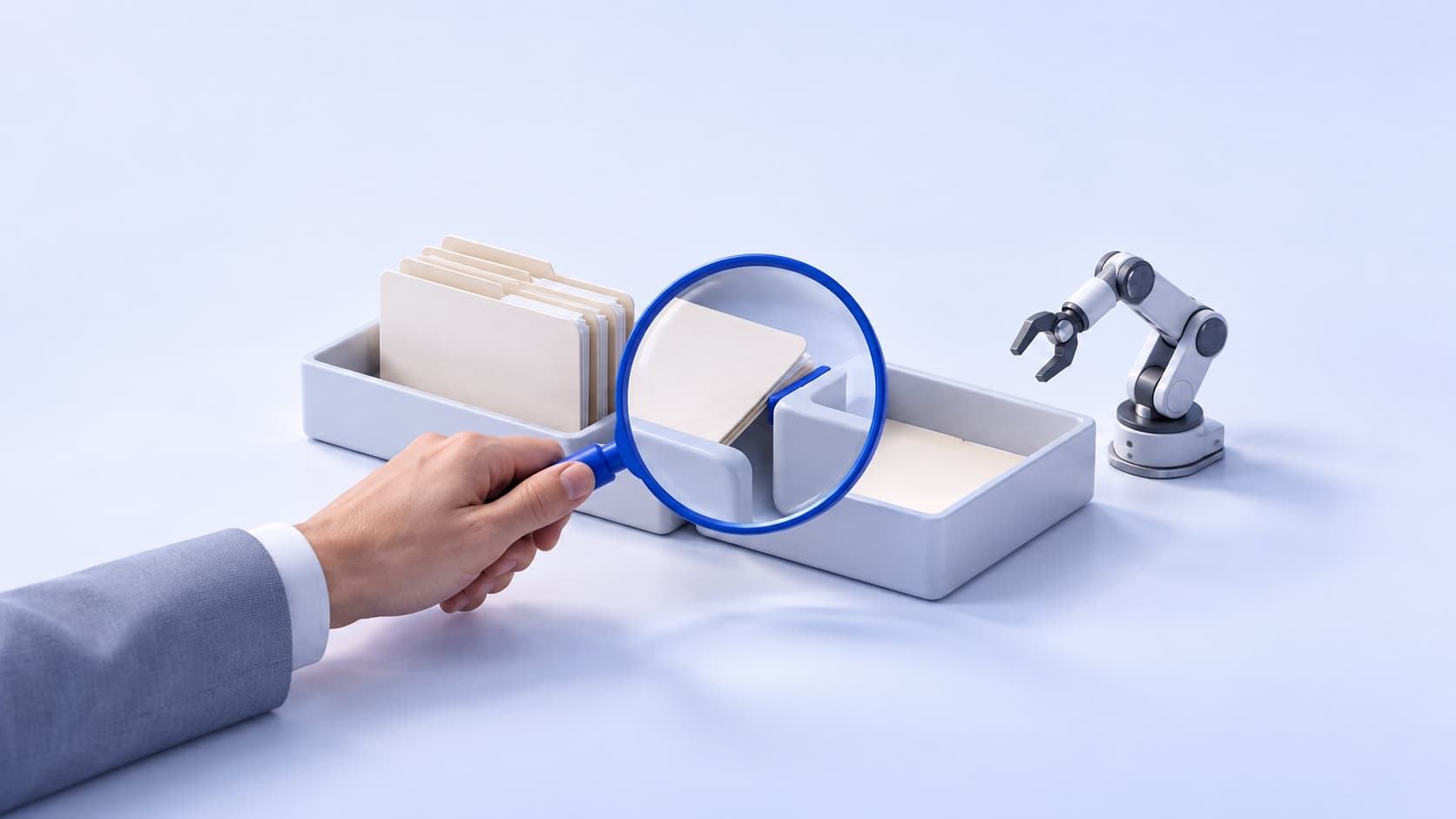
The tools still fail in ways nobody fully predicts. They state false information with complete confidence and sometimes take actions nobody approved, as the Meta agent did. A company-wide mandate treats that problem as solved, then hands the risk to employees who had no say in the choice.
Layoffs show the same confusion. Companies blame job cuts on AI even when something else caused them, a habit known as AI washing. Sam Altman, chief executive of OpenAI, has admitted there is “some AI washing where people are blaming AI for layoffs that they would otherwise do.” He says AI is also starting to cause real job losses. Employees are left unsure what AI changes, who gains and who pays.
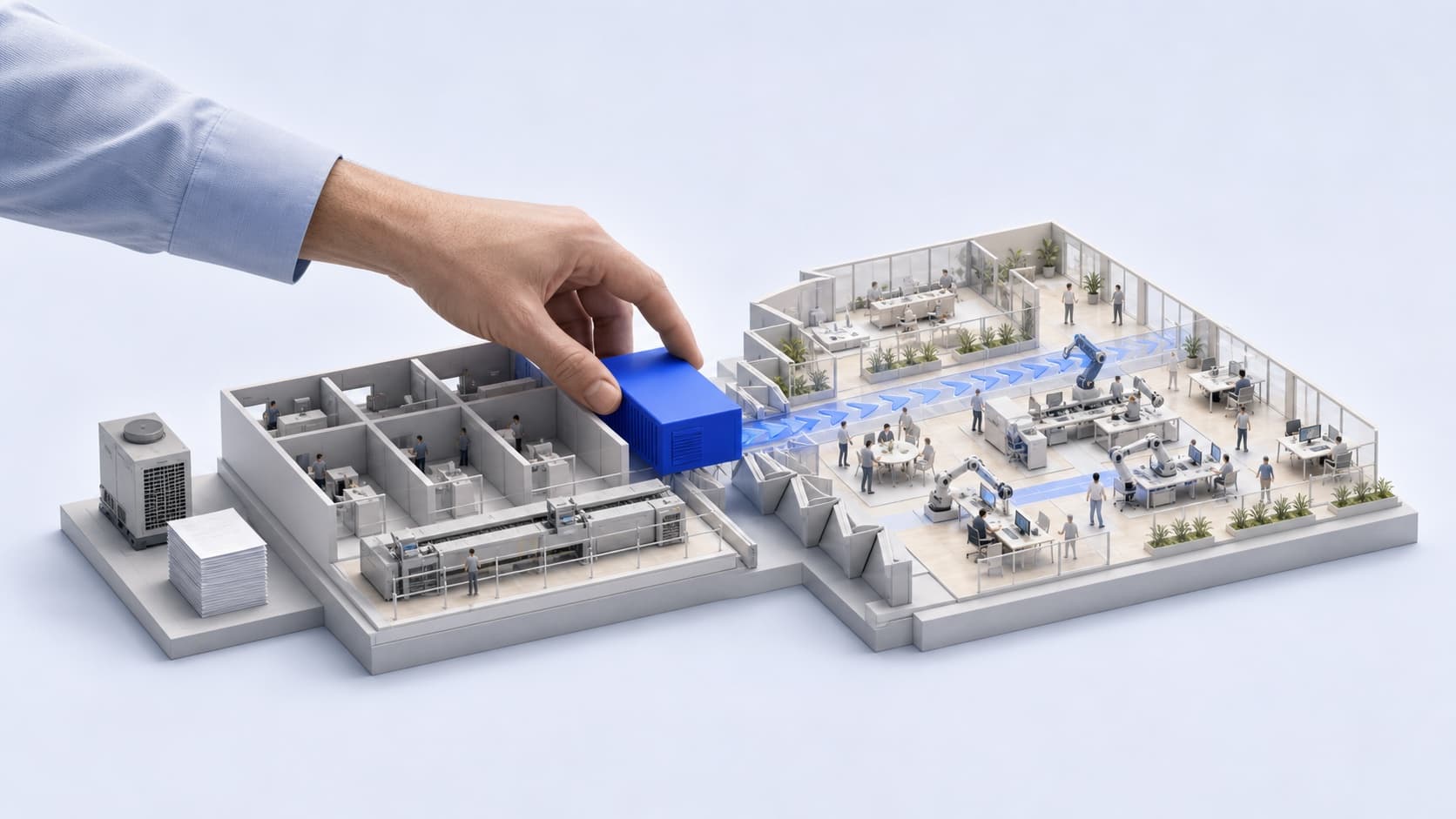
Both mistakes assume a company already knows what AI is for. Nobody does yet, including the labs building it. The researcher argues that AI adoption depends on how much freedom managers give employees to work out what it is for. That asks more than switching a tool on and issuing a policy. A tool this big proves its worth on work that already needs doing but has never had a good or affordable way to get done. The researcher calls this dark demand.
Steel shows how that works. Before Henry Bessemer’s cheap production process arrived in the 1850s, steel was too costly for anything but small, valuable items such as swords and watch springs. Once the price collapsed, steel went into railroads, skyscrapers and ships, uses nobody had reason to picture while it was rare.
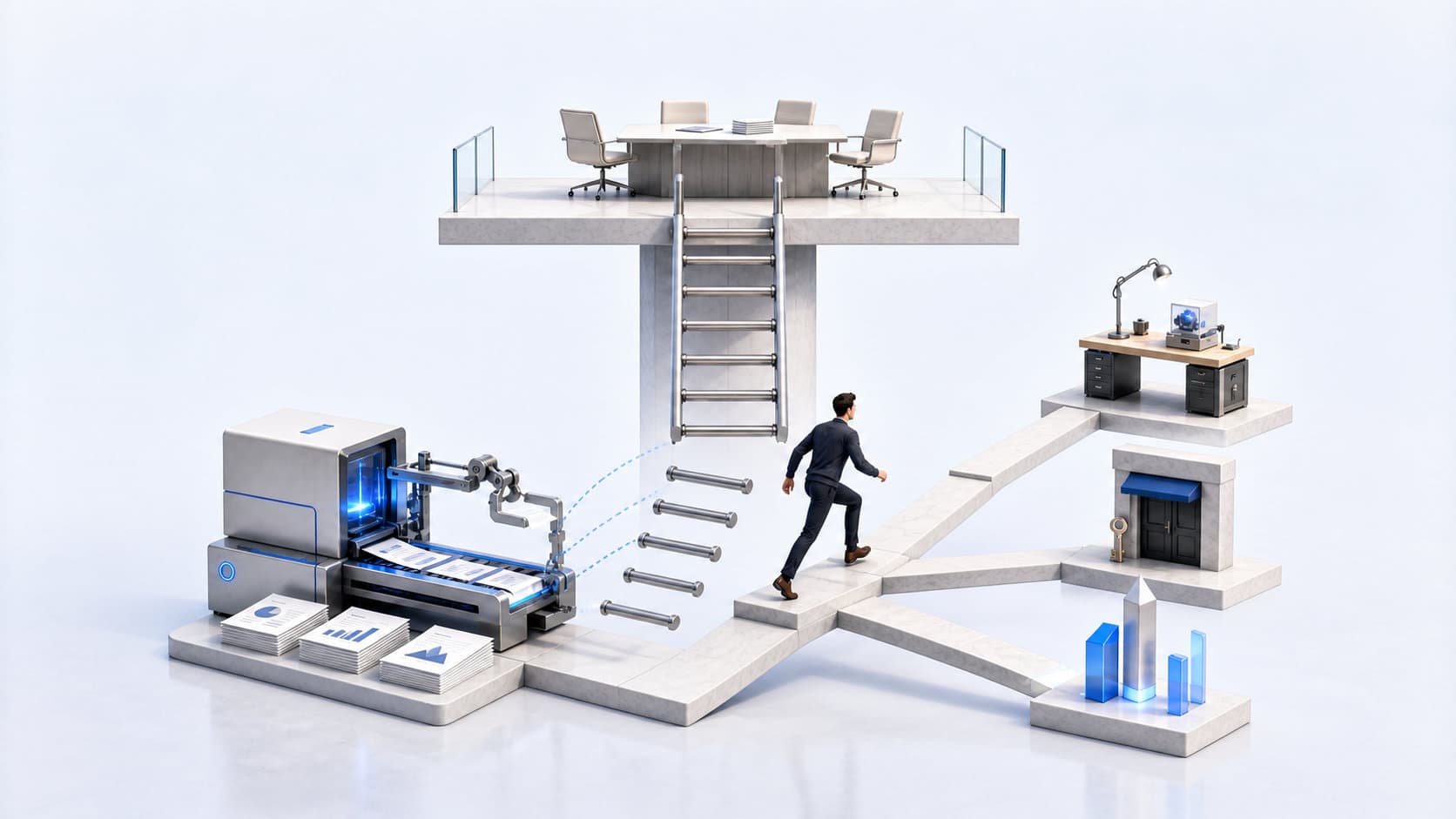
In the researcher’s account, AI stands at the same kind of opening, with uses nobody has had room to look for. Finding those uses takes employees who experiment with the tools on their own terms, test what breaks and rebuild parts of their jobs around what holds up. A top-down rollout schedule rarely leaves room for that search. Without it, a company only learns how AI performs the job it already had in mind.