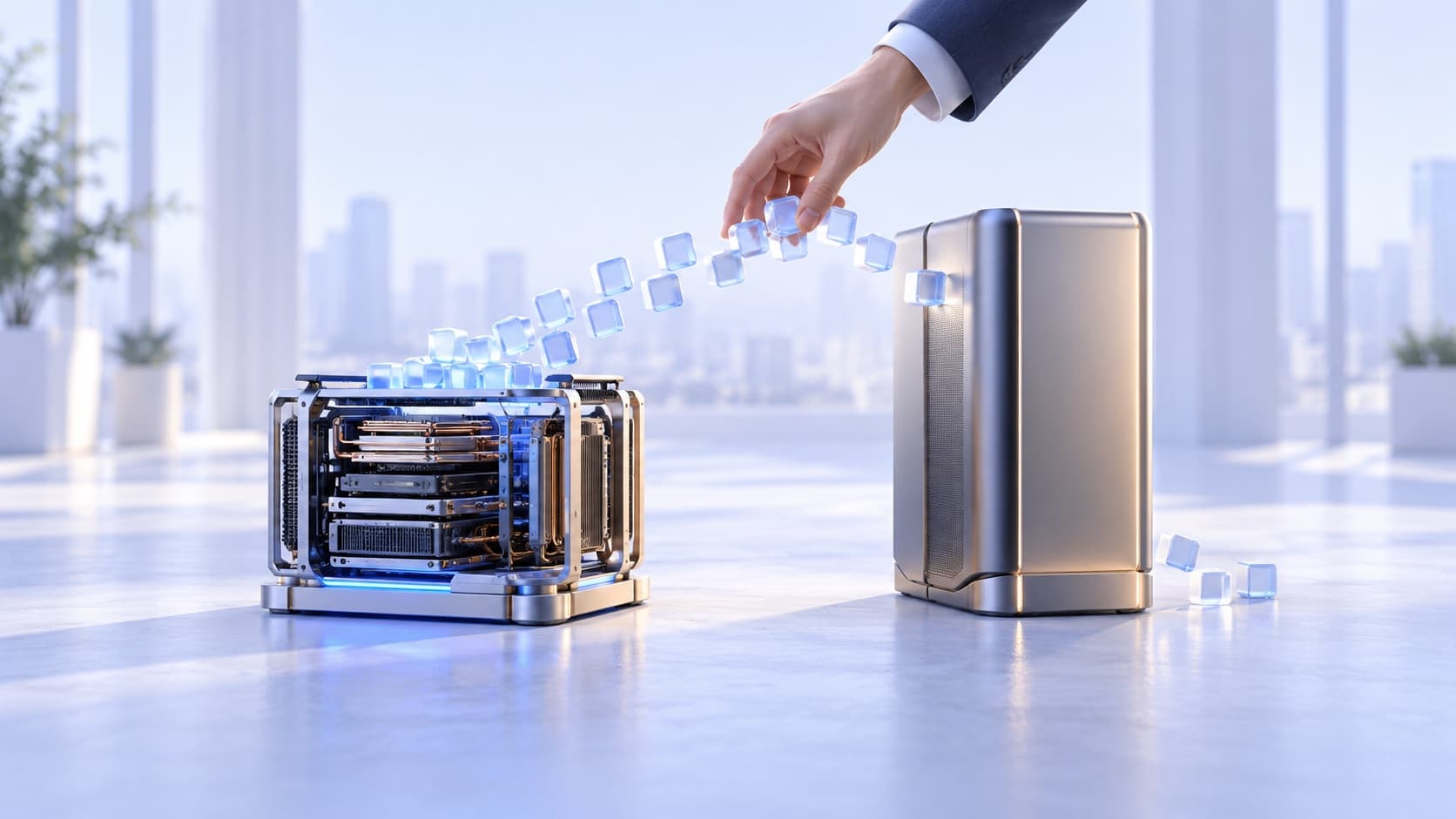
AI models read and write text in small chunks called tokens. A Miami-based startup called SubQ says its model can take in 12 million of them at once. If that holds, it would ease a real cost wall in AI.
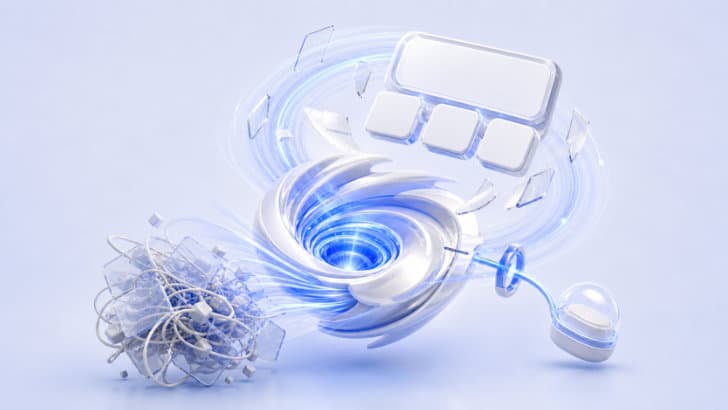
Reading a lot at once is expensive. A short request is easy to process, while a full set of software code, a long report or a large pile of documents is much harder. The model must work out which parts connect to the question, so the longer the input, the more computing power it needs.
The cost comes from how AI models are built. Leading systems such as GPT, Claude and Gemini rest on the same basic design, known as the Transformer. Its step for finding those connections is called attention. In standard attention, every token can be compared with every other token, so if the input doubles, that work can rise fourfold.
That is why huge inputs sound useful but turn slow and expensive to run. A model may accept a very large request, but using all of it well is a separate problem.
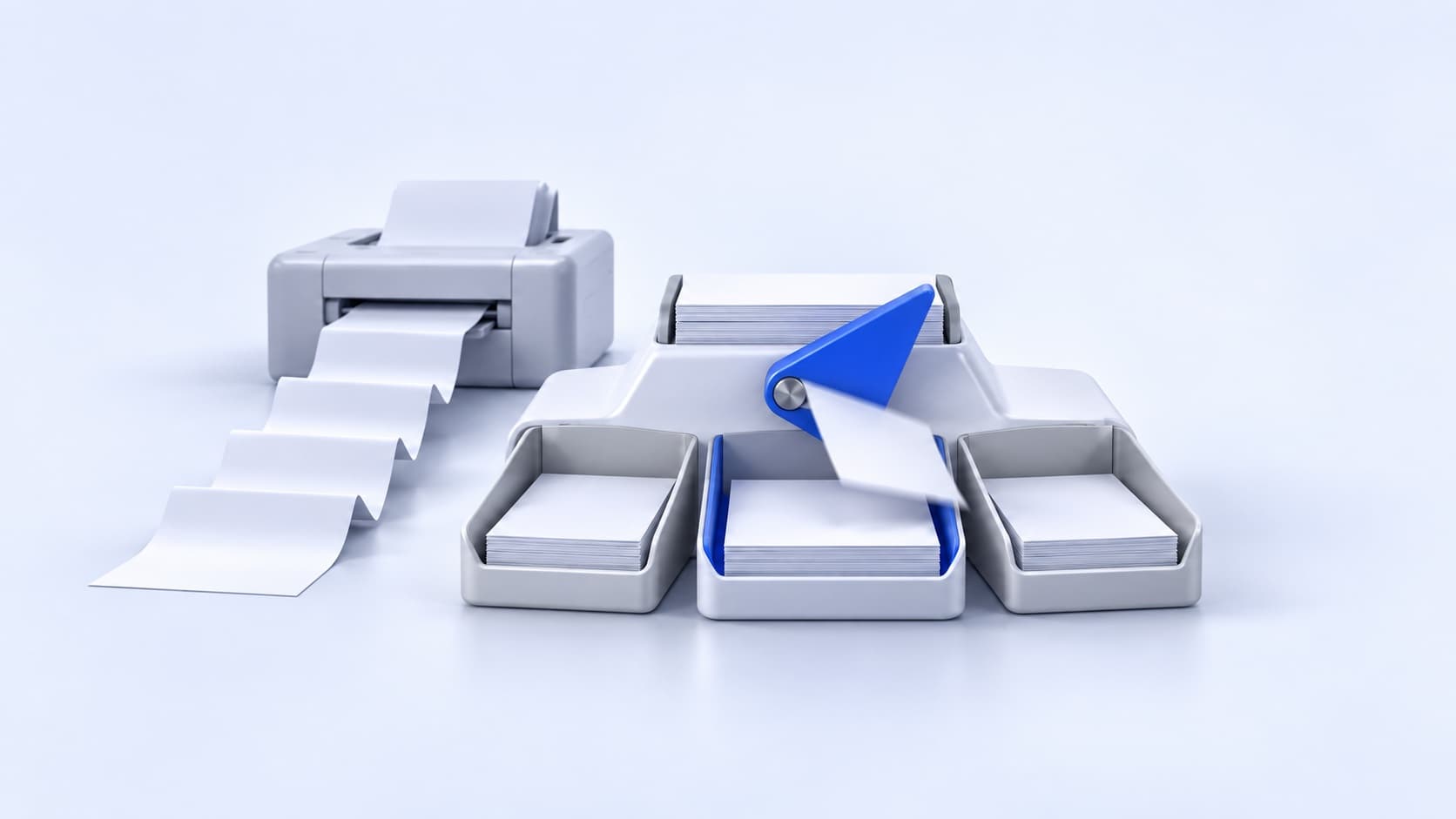
SubQ’s parent company, Subquadratic, says it has changed that pattern with a method called Subquadratic Sparse Attention, or SSA. Instead of comparing every token with every other one, SSA first picks out what is likely to be relevant, then spends its computing power on those parts. The company says SubQ runs at 150 tokens per second and costs one-fifth as much as other leading models. It also says SSA reads input 52.2 times faster at 1 million tokens.
The idea is credible enough to take seriously, because researchers have worked on sparse attention for years. A working commercial model is a further step beyond that research.
As of May 2026, these were company claims that had not been independently verified. Published test results covered SubQ 1M Preview, the version that reads 1 million tokens. The 12-million-token claim was presented as a research result, with less public testing behind it. The company said outside parties had validated its results, but its full technical report and model card, the fact sheet for the model, were listed as coming soon.