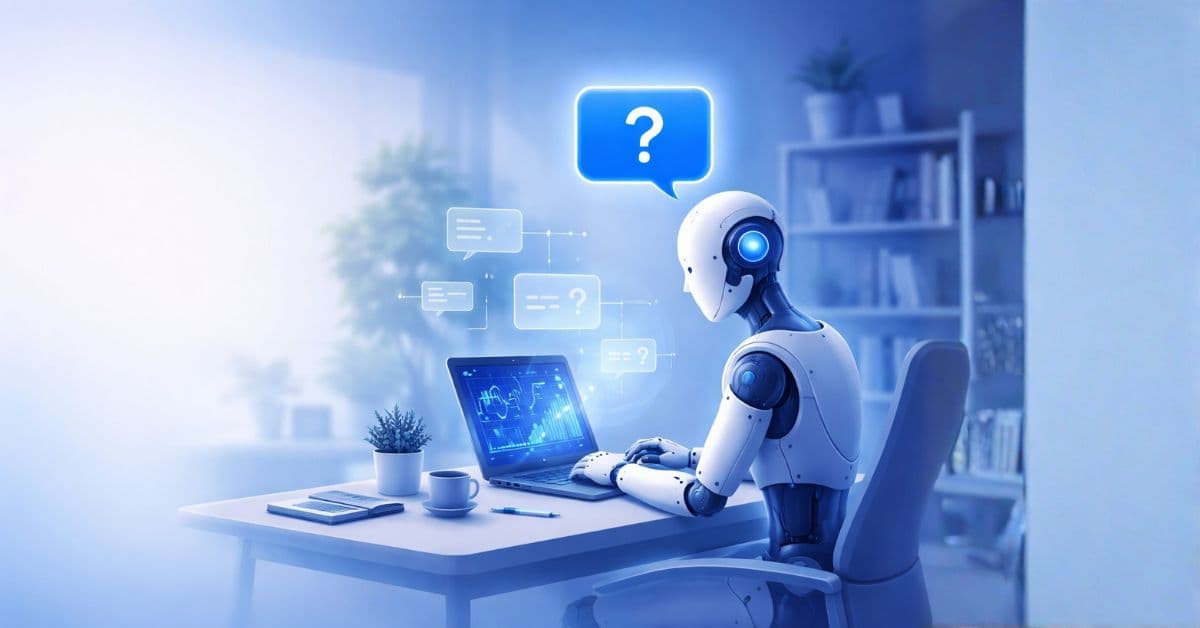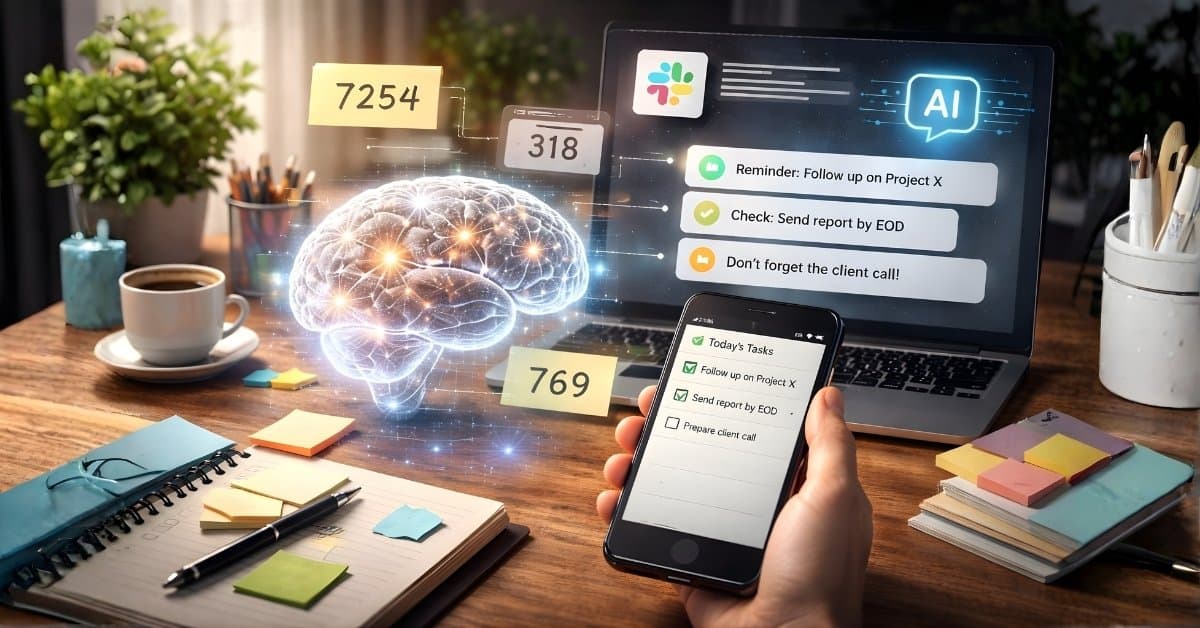
For half a million years, humans have worked within the same mental limits. People are good at noticing and processing, but weak at holding many things in mind at once. The classic figure is seven digits, roughly how many small items people can keep in short-term memory. AI has made it practical for almost any manager to hand those details to a system that captures and sorts them, known as a second brain.
Later research argues the limit is often tighter than people assume. A review of the evidence puts it at four to seven meaningful items in common conditions, rather than a fixed seven for every task. That shortfall hurts in modern work, because leading a team means keeping a chain of small commitments. Miss two, and the chain breaks. The cost shows up as rework, delays and dropped follow-ups.
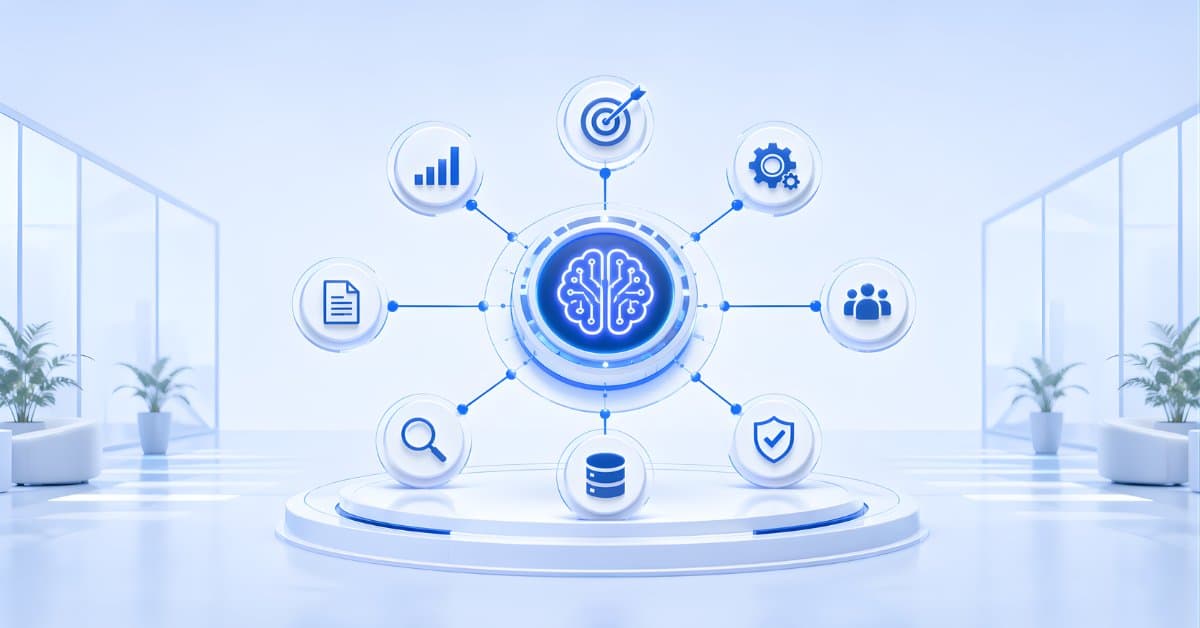
The building blocks have existed for years: Slack for messages, Notion for notes and automation tools that link apps. What changed is an AI model that can sit between them. It reads, summarises and sorts each note, then sends it to the right place, with no code to write.
That change came fast. In 2024, most teams could not build such a system without engineers. In 2025, it was possible but fiddly and fragile for people who do not code. In 2026, the same setup can be put together quickly by connecting mature tools and adding a model in the middle. Build time shrinks, more people take it up, and the advantage goes to leaders who make the setup standard early.
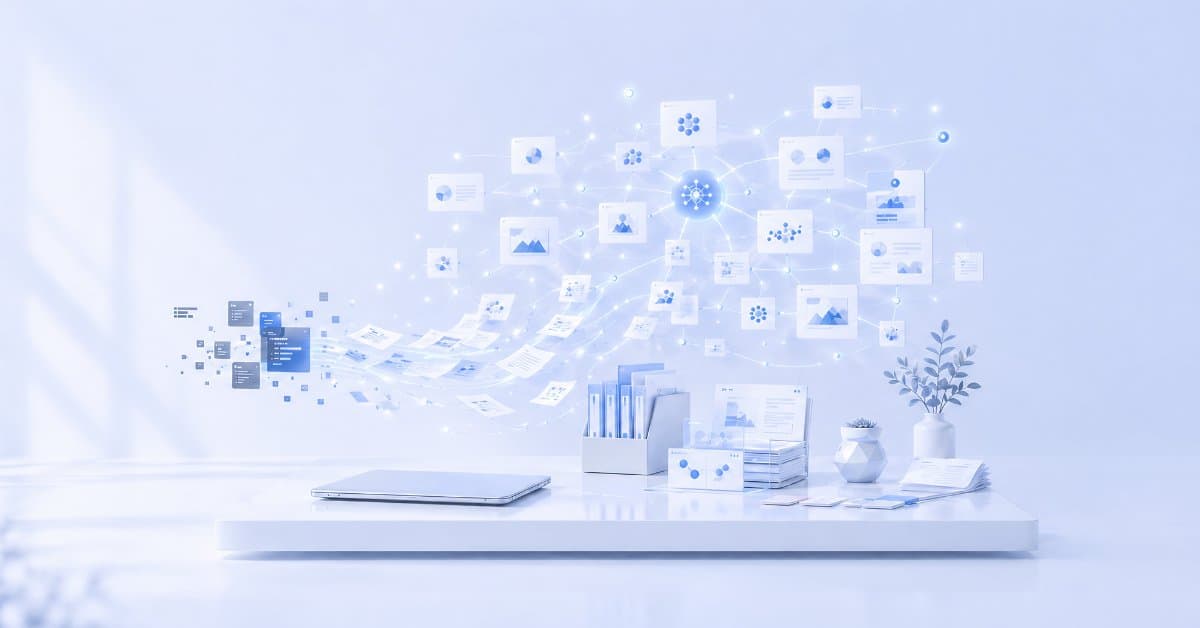
In practice, an idea typed into a dedicated Slack channel goes to the model and comes back as a structured entry in Notion. Nobody has to decide where to file it, how to label it or whether it can be found again. The bigger saving is fewer switches between tasks and fewer lost commitments.
Reminders are where the gain becomes real. Once notes are captured and sorted, the system can prompt its owner when something is due. It can flag a meeting follow-up, a promise made, or a thread parked on a busy day.