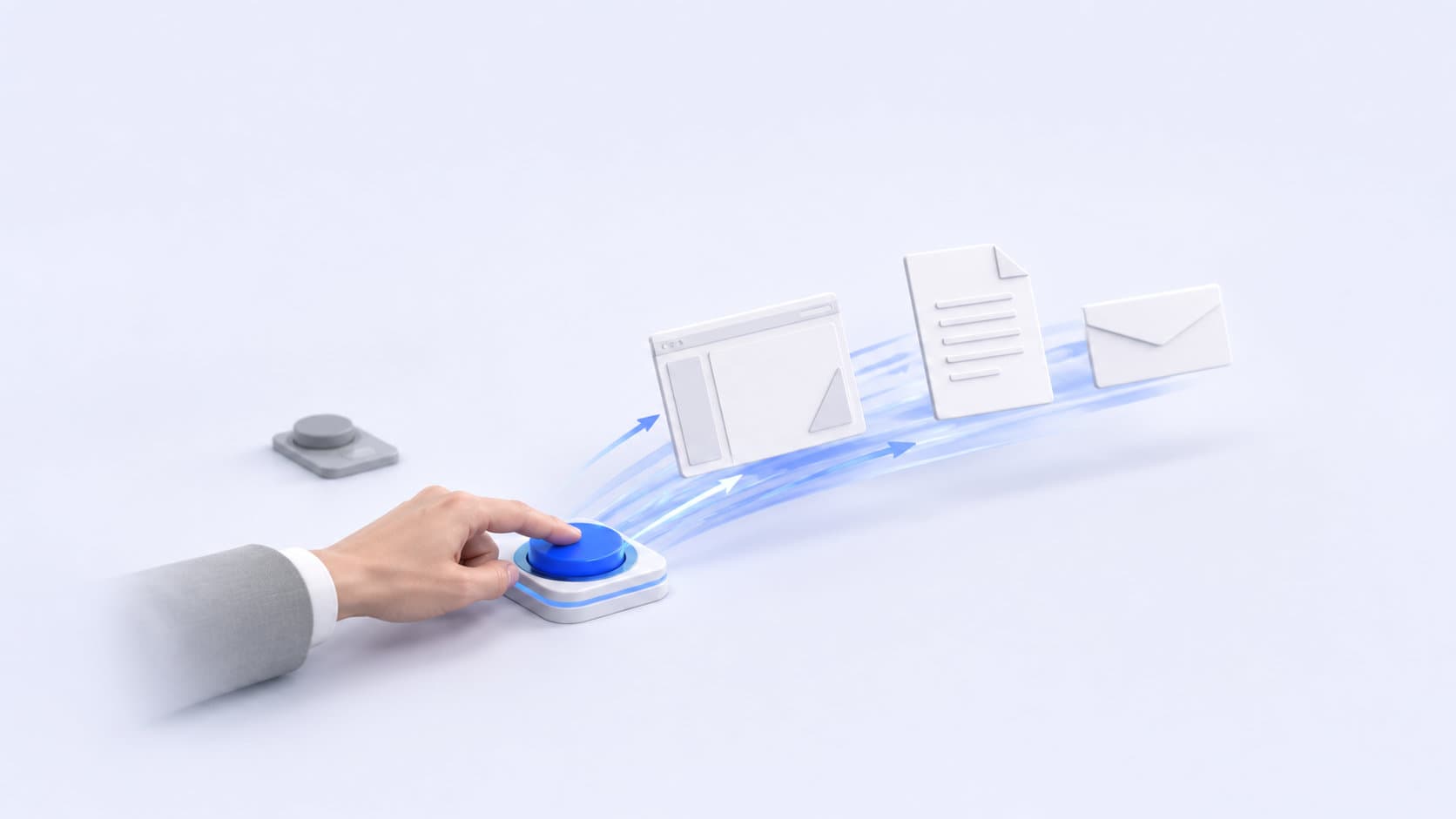
AI is pushing one employee on a team toward an impossible workload. The employee in trouble is the responsible one, the person asked to check a colleague’s work before anyone signs off. Creating an AI-built document takes one prompt and a short wait, but reviewing it takes real thinking from start to finish.
A colleague uses AI to build a forty-page deck, a long email or a full written analysis. The file goes to a teammate with one short line: “take a look?” The request sounds like a quick favor between coworkers. In fact it hands over the work of rebuilding every decision the sender already made.
Rebuilding those decisions is slow, because every judgment call behind the work stays hidden in the sender’s head. The reviewer has to work out which sentences came from the sender’s own judgment and which came straight from a prompt. They also have to test whether each argument holds up under pressure or only sounds smart on a first read. Skimming a polished paragraph never reveals the difference, so the reviewer goes sentence by sentence.
The person who builds the deck gets credit for speed and looks sharp in the room. The person checking it carries the weight of the thinking, with none of the credit and all of the cost. The deck can look polished and complete while resting on weak logic, missing context or a conclusion nobody checked. When leaders let teams hand off that kind of work without a real check, the habit becomes part of the team’s culture.
A clear team policy resets the imbalance before any document reaches a reviewer’s inbox. Anyone sending AI-built material for review answers three questions first, and the answers travel with the document. The first names the objective, so the reviewer knows the goal before reading a single page. The second marks which sections the sender worked through directly, ideally in a different text color, so the reviewer sees which parts carry the sender’s own judgment. The third says exactly where the sender needs feedback and what it will let them do next. The reviewer then spends their time on the one decision still open, instead of rereading the whole document end to end.