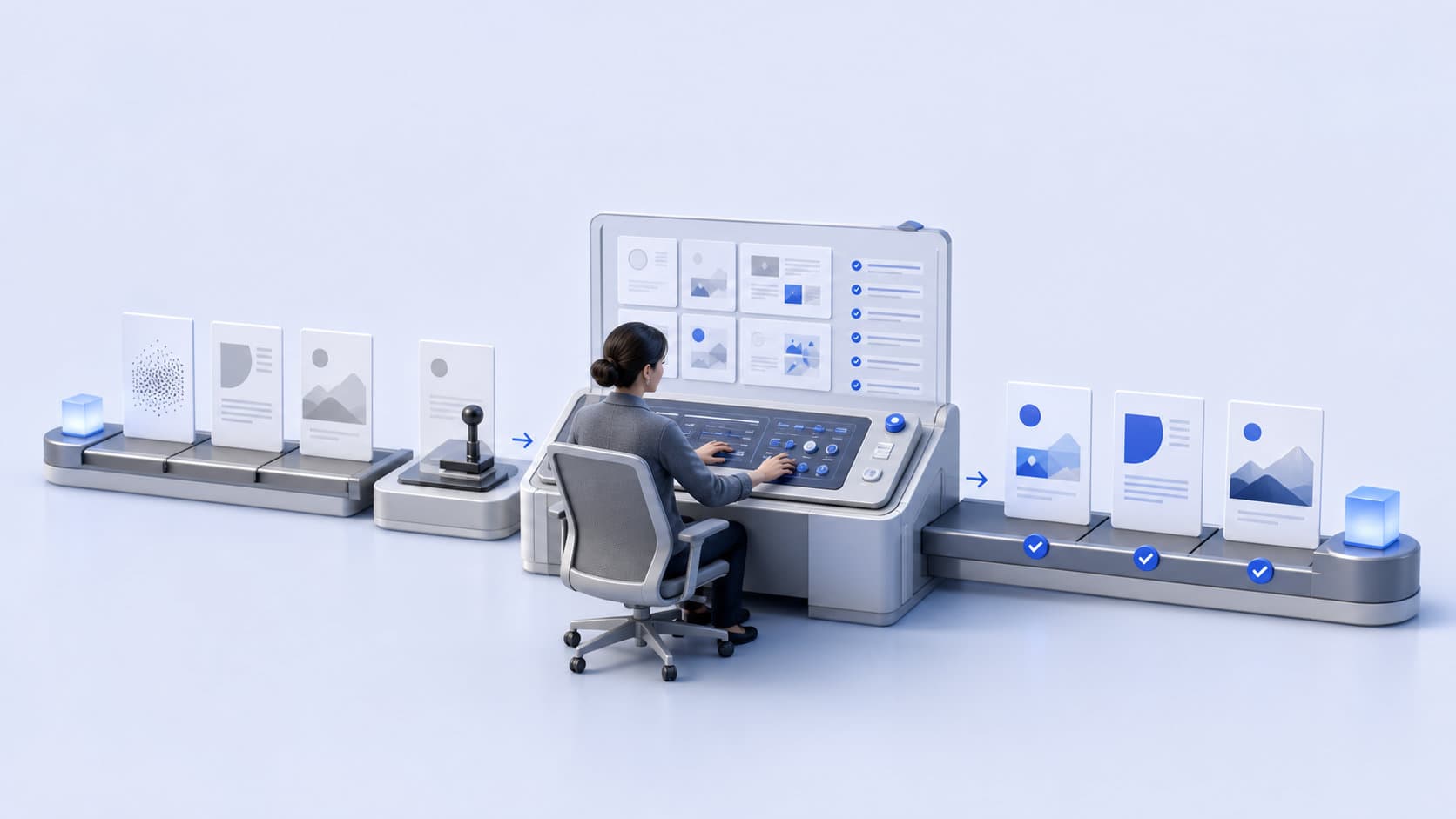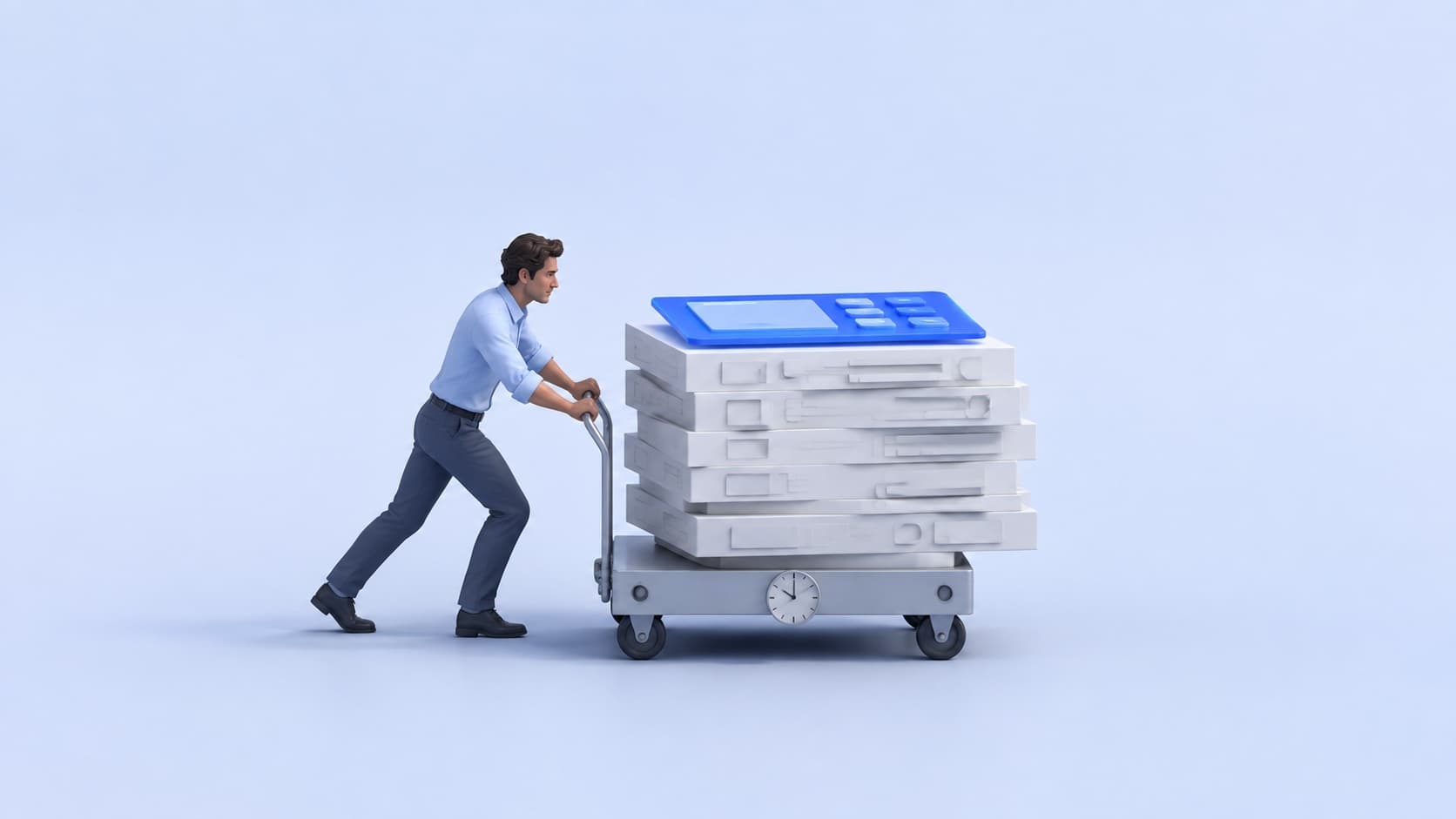
AI was supposed to hand workers back part of their day. Most company AI rollouts rest on that promise: automate the repetitive pieces of a job, and people get that time back. Two researchers at UC Berkeley’s Haas School of Business went inside a real technology company to test it and found the opposite.
Xingqi Maggie Ye, a doctoral researcher at Haas, spent eight months inside the company, which has 200 employees. She sat in on meetings, watched how employees split their day between tasks and ran more than 40 interviews. Her aim, in her words, was to understand how generative AI was shaping everyday work. She and her co-author, Associate Professor Aruna Ranganathan, published their findings in Harvard Business Review.
Employees worked faster. They took on tasks that used to belong to someone else, along with work that might never have been attempted before. They also stretched their work further into the day, often without anyone asking them to. A lunch break became a moment to send the AI one more request. An evening became a chance to check on a project before bed. Some kept several AI tools running at once, reviewing one document while a separate AI process worked in the background. Both the person and the software stayed in near-constant motion.
The researchers call this pattern “workload creep.” Each burst of extra output quietly resets what counts as a normal day, which then invites the next burst.
In the short run that looks like a win, since a team getting more done in the same day is what companies asked the technology to deliver. As the months went on, though, the researchers found the pace hard to sustain. Fatigue built up and judgment got worse. Some of the early productivity gains gave way to lower-quality work later on. None of it added up to employees getting their day back.
That finding comes from one company, and the two researchers are still working out how far the pattern extends. In that company, faster tools expanded what employees felt able to take on, often because the work no longer had a natural stopping point, even on the weekend.