AI models have absorbed nearly everything humans have ever written down. That includes published theorems, textbooks, failed proofs and half-finished ideas that were posted and later abandoned. No single human mind can hold that much at once. So could a machine with the full sum of human knowledge become the next Einstein or Newton?
Brian Greene, a physicist at Columbia University, thinks it might. He made the case in a conversation on The Diary Of A CEO, a podcast hosted by Steven Bartlett. To explain why, Greene split scientific creativity into three buckets, each harder to fill than the last.
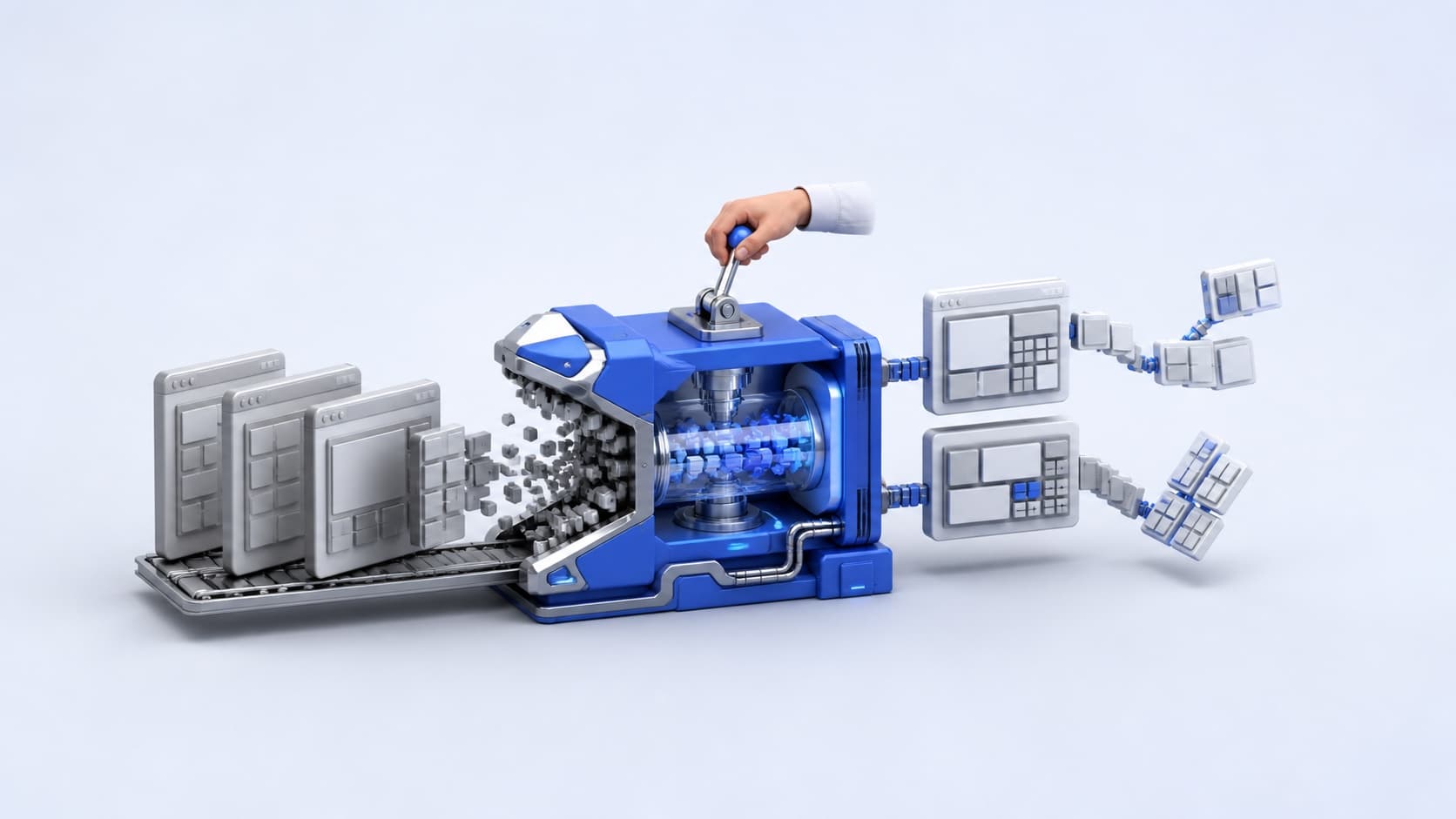
First comes seeing more options. A strong chess player sees more of the possible moves than a casual player does, and so picks a stronger one. A good scientist does the same with the equations and ideas that might crack a puzzle. Machines trained on the full record of human writing start this contest ahead. Two people might miss a connection because neither has read the same pair of papers, while a system trained on both sees it plainly.
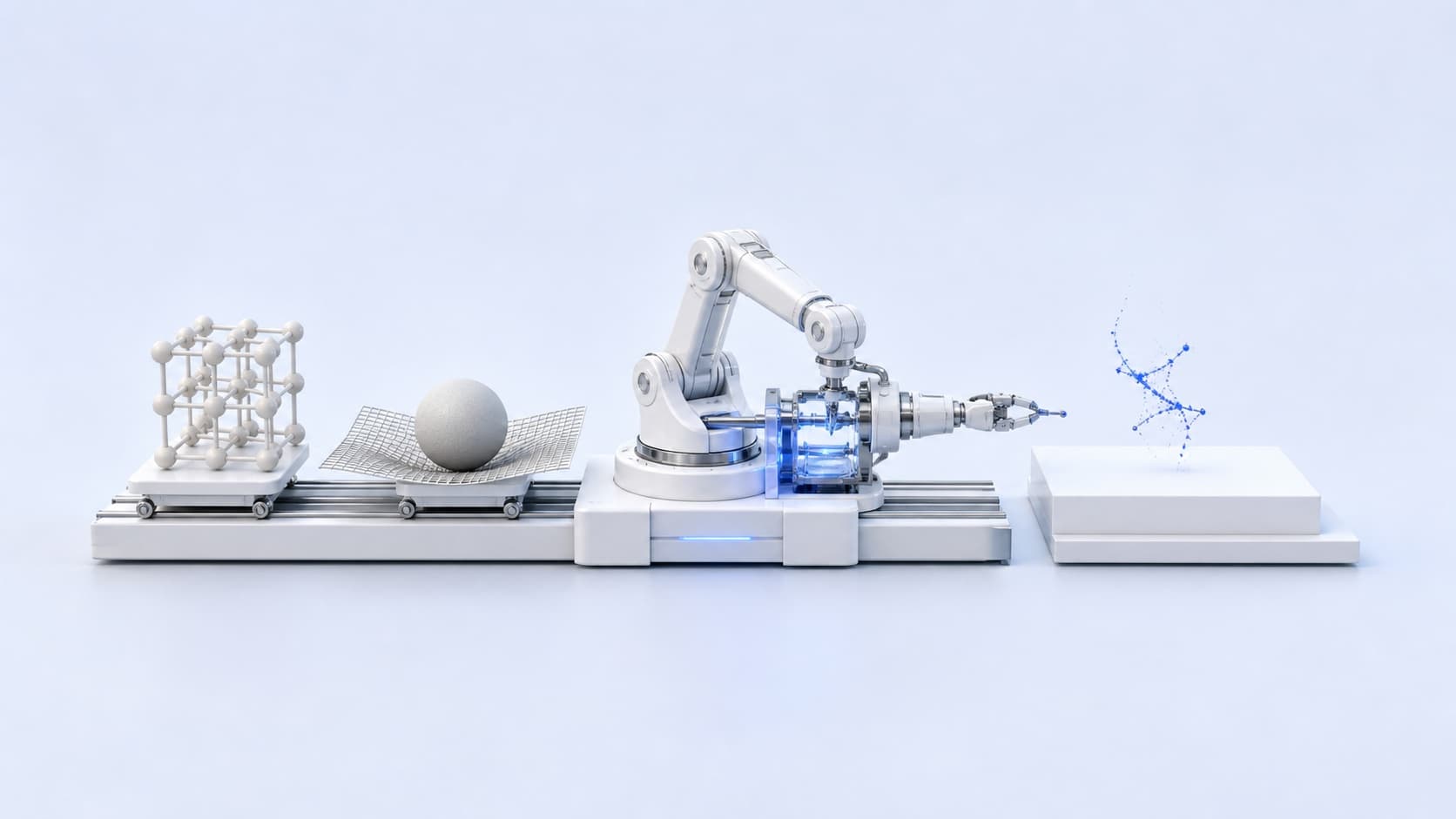
Next comes combination, joining two ideas from different corners of knowledge that nobody had connected before. Einstein’s theory of gravity, general relativity, came from exactly this kind of join. Mathematicians already had a way to describe curved space, called Riemannian geometry. Newton’s older laws described how objects pull on each other, but only across flat, fixed space. Einstein fused the two into a theory of gravity as the bending of space itself. Greene argues machines hold an edge here too, since they can connect fields that no person would think to compare.
Greene turns cautious at the third bucket. It holds ideas with no earlier version anywhere, leaps that leave no trail behind. A model learns by finding patterns in what has already been written or solved, and an unprecedented idea, by definition, has no pattern to learn from. Radical breaks from the past, he says, stay human territory.
He does not treat that divide as permanent. Asked whether a future system might grow into this kind of creativity, he said he sees no barrier, given enough time. He had not yet seen a machine produce an idea born with no ancestor at all.