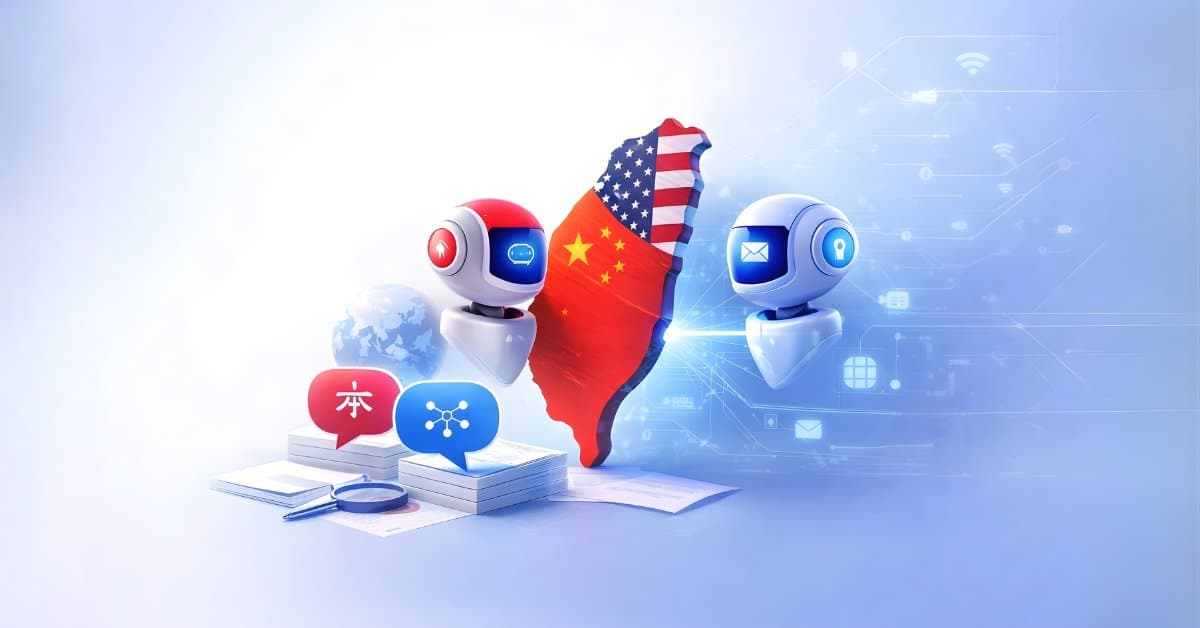
Ask one AI model whether Taiwan is a country, and it will say yes. Ask another, and the answer gets more complicated. A paper from researchers at Stanford and Princeton puts numbers on that difference. On politically sensitive questions about China, models built in China refused more often than models built elsewhere, and their answers were shorter and less accurate.
The researchers tested nine models, four of them built in China, on 145 questions about human rights, protest, democracy, Taiwan and related issues. Each question was asked 100 times in separate conversations to make the results more reliable.
BaiChuan, one of the Chinese models, refused to answer about 60 percent of the time. DeepSeek refused about 36 percent of the time and Ernie Bot 32 percent. Two models built elsewhere, GPT-3.5 and GPT-4o, refused none. Of the Chinese models, DeepSeek also gave the most answers that were completely wrong, around 22 percent. The study shows a pattern without proving its cause, though its authors suggest pressure from regulators may be an important factor.
One likely reason lies in the data, because AI models learn from huge volumes of online text. The questions themselves drew on posts the Chinese government had censored on social media, Chinese-language Wikipedia pages blocked in China and reports by Human Rights Watch China. Taiwan was in the set as a topic where views that depart from the government’s official position are censored. If the public record is filtered for years, a model trained on it starts from a narrower pool of information.
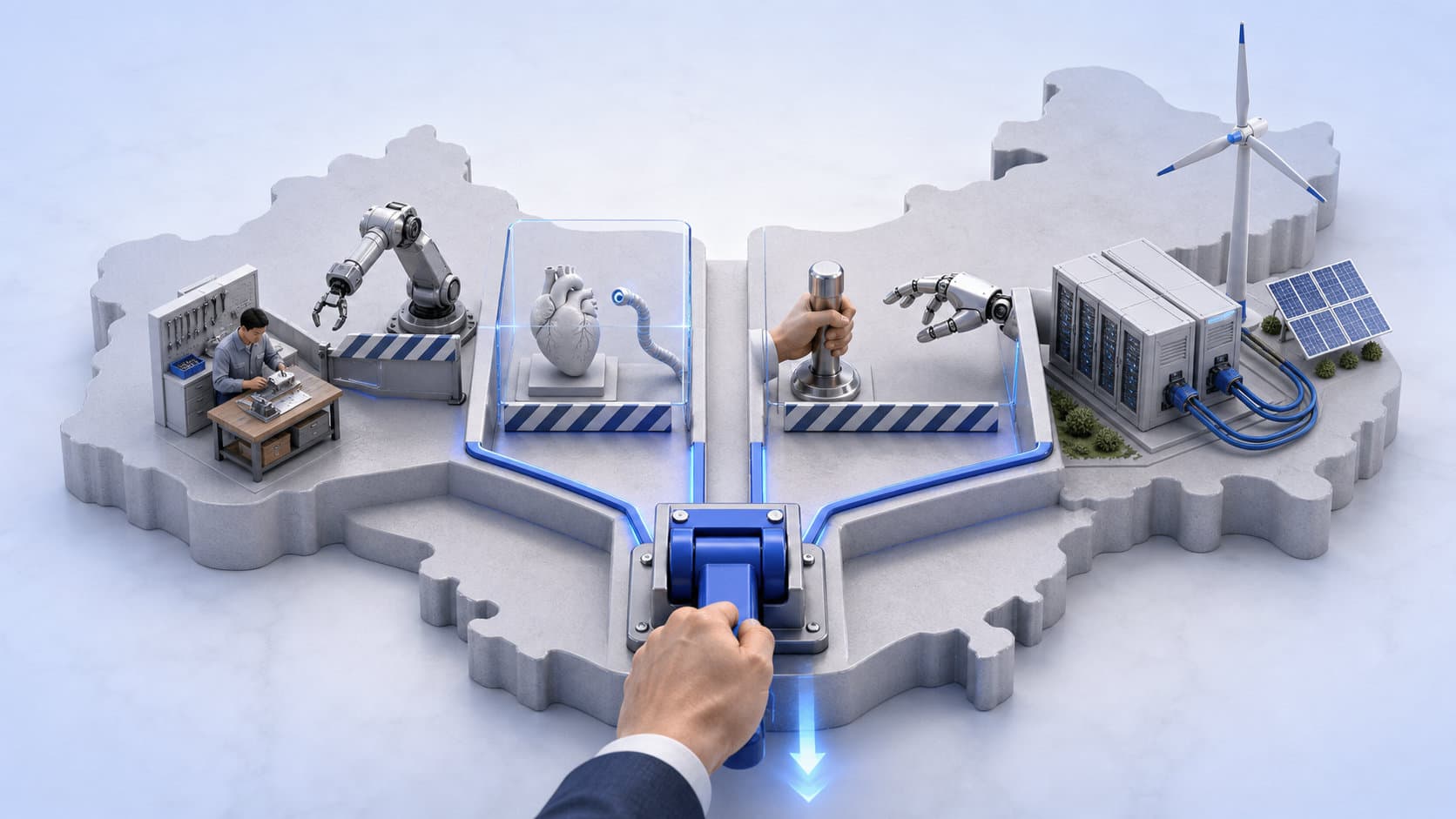
A second reason comes later, when a model is tuned before release. China’s 2023 rules for AI services, known as the Interim Measures, say providers must uphold socialist core values. They must not generate content that incites subversion or separatism, harms national security, or undermines national unity and social stability. Those rules apply to services offered to the public in mainland China, so the answers are shaped by rules as well as by data.
The limits can also travel, because every app built on top of a model carries some of that model’s behaviour. The paper warns that as these models increasingly sit underneath search, virtual assistants and content tools, users may meet censorship without realising it. It also says companies outside China that build on Chinese-developed models could end up carrying those limits into their own products.