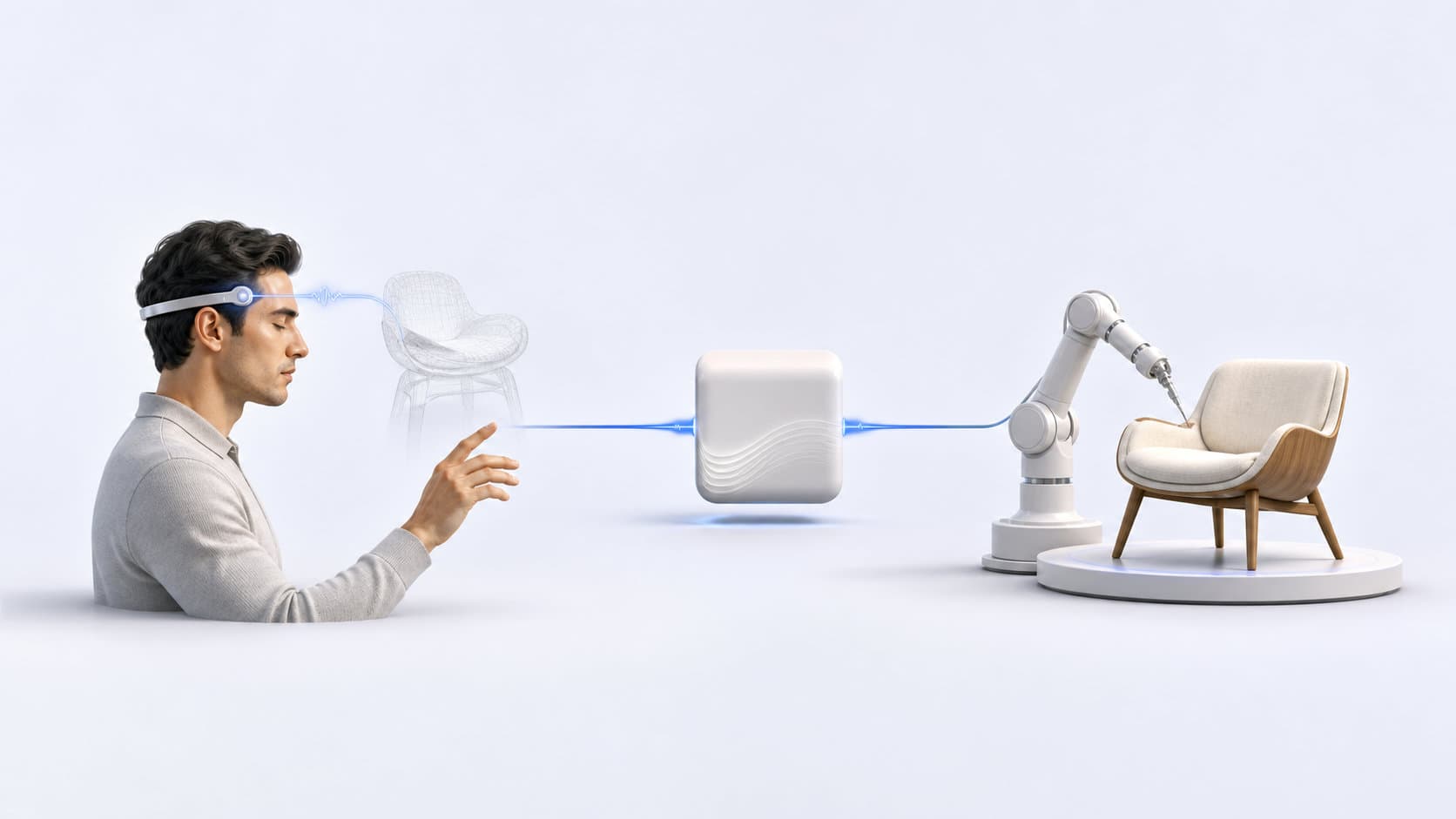
Naomi Bashkansky spent a year and a half at OpenAI, on the team that keeps the company’s AI systems reliable and predictable. She quit to build telepathy, no exaggeration. She joined a startup called Conduit as founding researcher. Its headband, which needs no surgery or implant, reads brain activity and turns the reading into text an AI system can use.
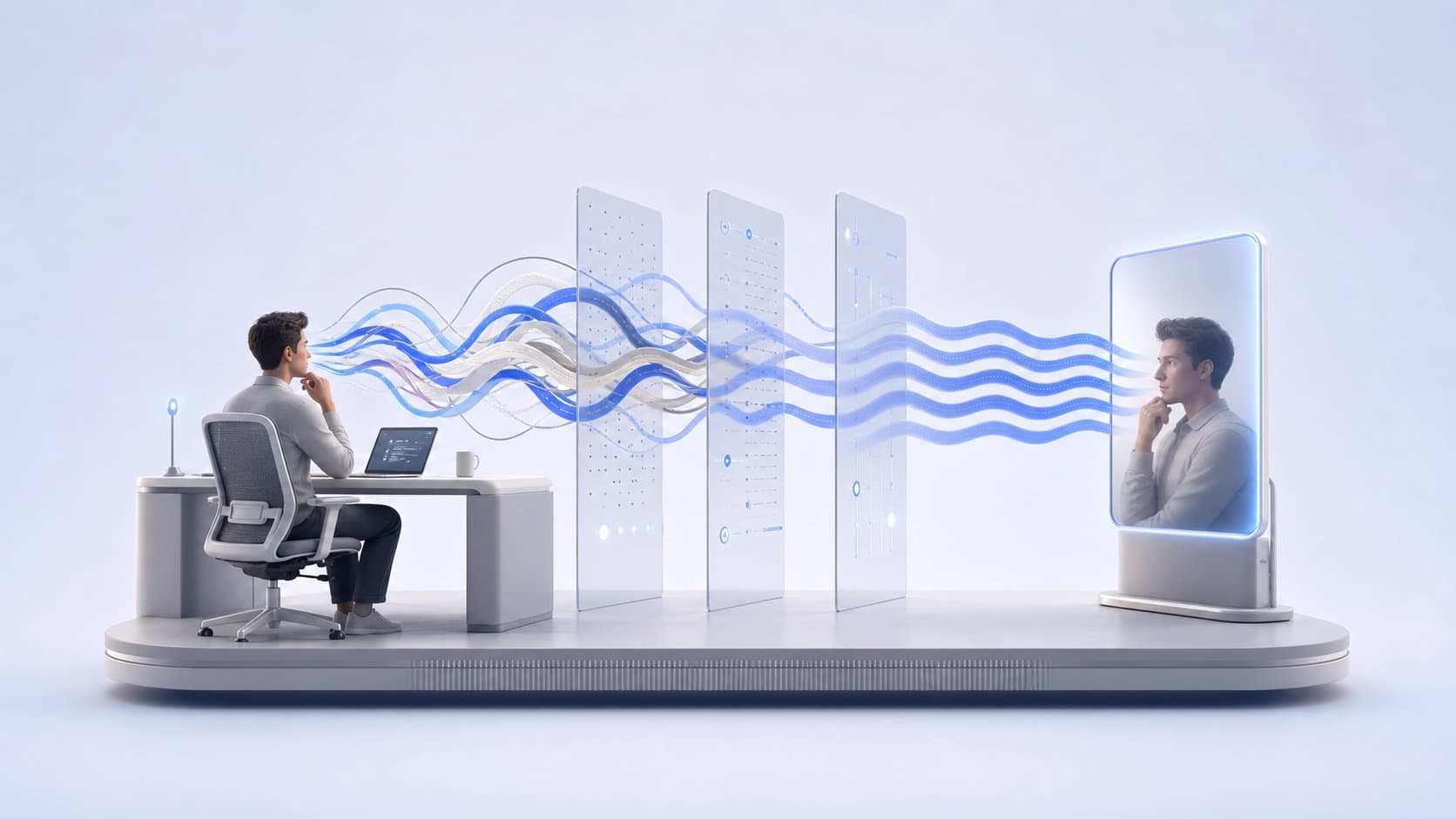
A person wearing the headband would think about a task, and the system would carry that half-formed thought to an AI before a word gets typed or spoken. Bashkansky uses a comparison to GPS to explain why that can work. A noisy location reading alone will not guide a driver to an address. Add a map and a route, and the same noisy reading is enough to arrive at the door. A half-formed thought works the same way. A machine alone makes little of it, but an AI system able to make sense of what is missing can turn it into an instruction. The headband does not need to capture a thought word for word, because the AI fills in the rest.
That comparison points at a real limit in how people work with AI. Ideas are rarely the bottleneck; turning one into words precise enough for an AI to follow correctly is the harder part. Regular users call that skill prompting, and a large share of their daily effort with these tools goes into it. A headband that carried a half-formed thought straight to an AI would remove prompting as something a person needs to practice. Taste, the judgment behind knowing what a strong result looks like and when an AI result misses the mark, would stay human. The device would take over only the narrower work of finding precise words.
Conduit offers a direct trade, with a headband in place of the keyboard and software that decodes brain readings in place of the typed prompt. By Bashkansky’s own description, the trade was unproven. In 2026 she placed the system at the stage of GPT-2, an early, rough text-writing AI from years before such systems became dependable. What kept her committed was that accuracy rose in a straight line as the system learned from more hours of brain data. That steady climb did not yet show the readings were accurate enough for daily use.