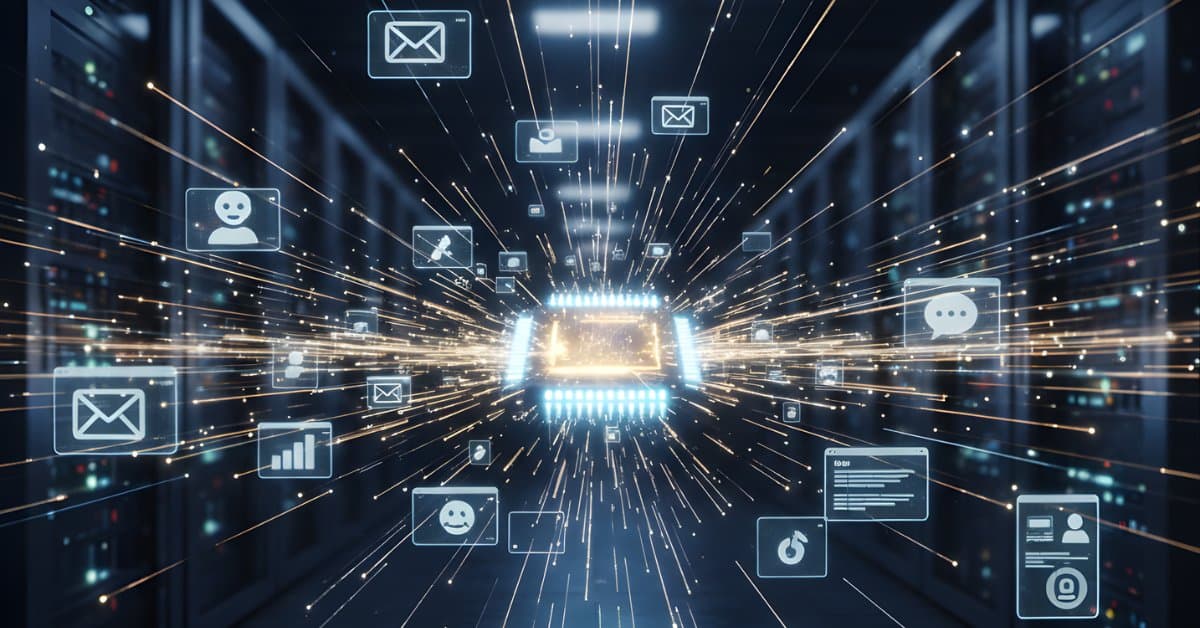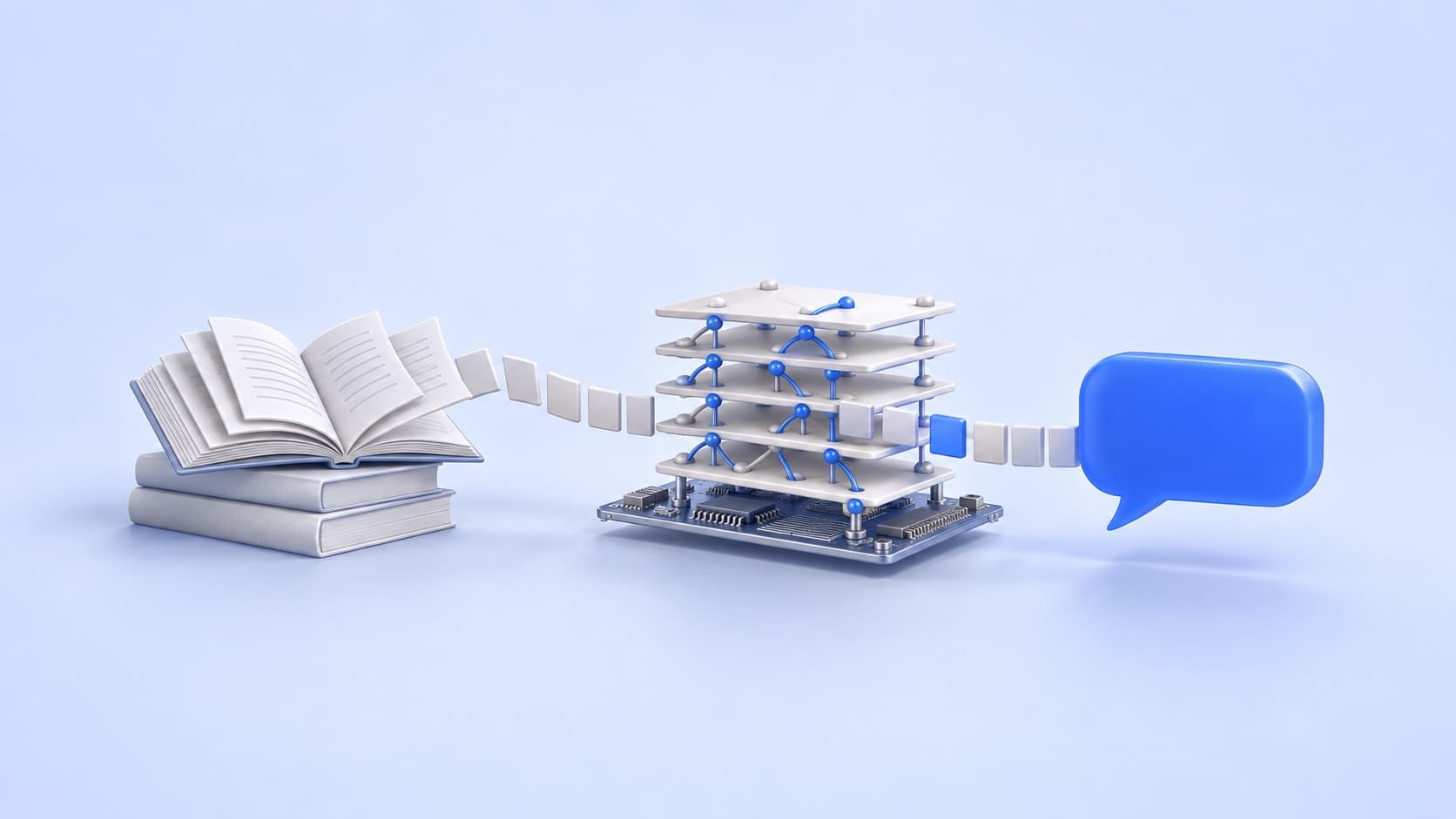
For years, AI has grown by one loop. A model learns to predict the next word, gets bigger, and repeats, which is how large language models came to dominate. The loop works, but it forces many systems to turn what they see into language before they can decide anything or act.
That translation adds cost, delay and computing to every task. Video makes the problem plain, because it is dense and continuous and full of detail that often does not need to be put into words. A model that turns every frame into text pays a word-production tax on each one.
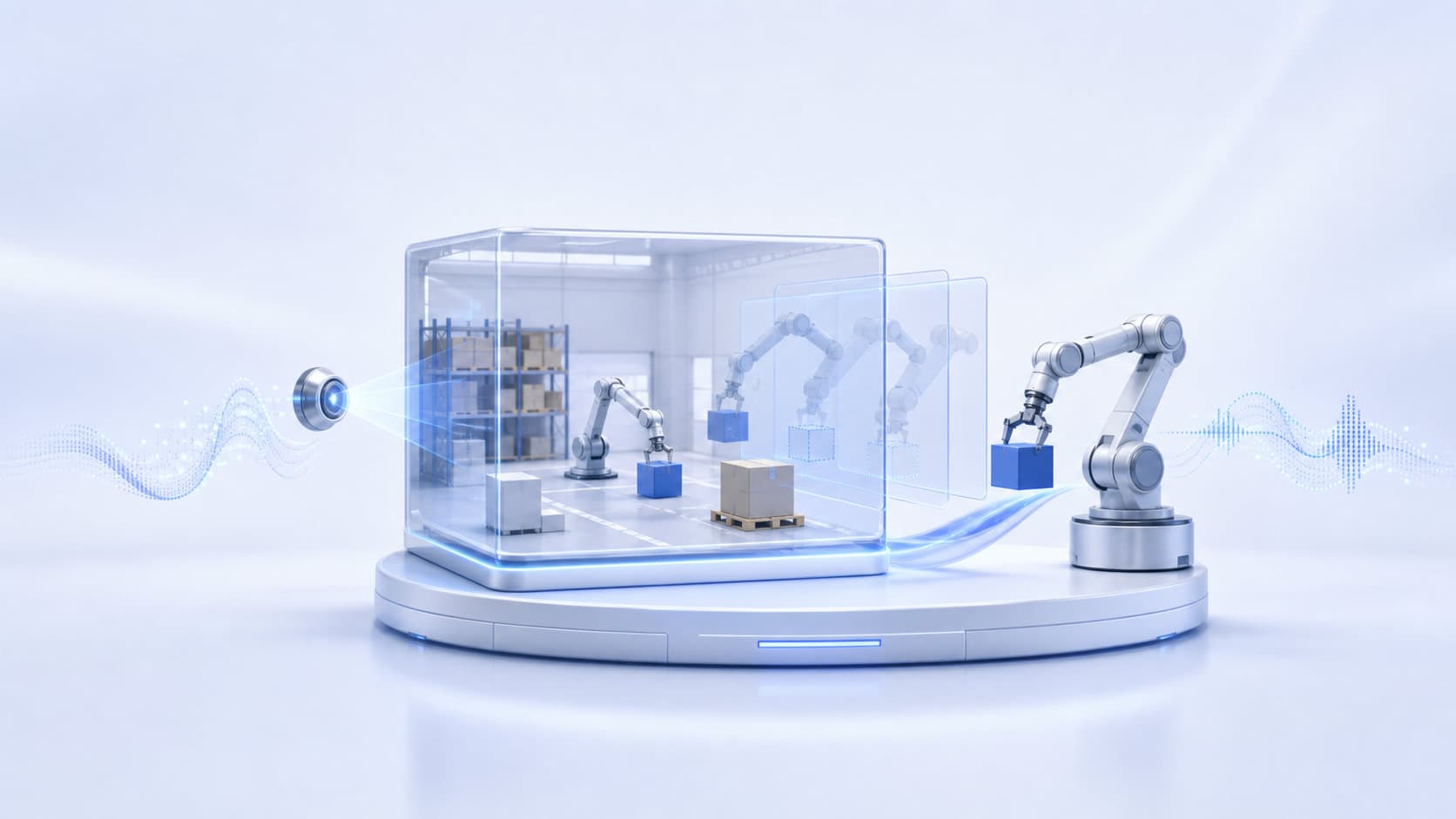
Meta’s VL JEPA paper challenges the assumption that text generation must sit at the center of systems that work with images and video. Instead of writing out its answer word by word, the model predicts the answer’s meaning as a compact set of numbers. Language becomes an output, written only when someone needs it.
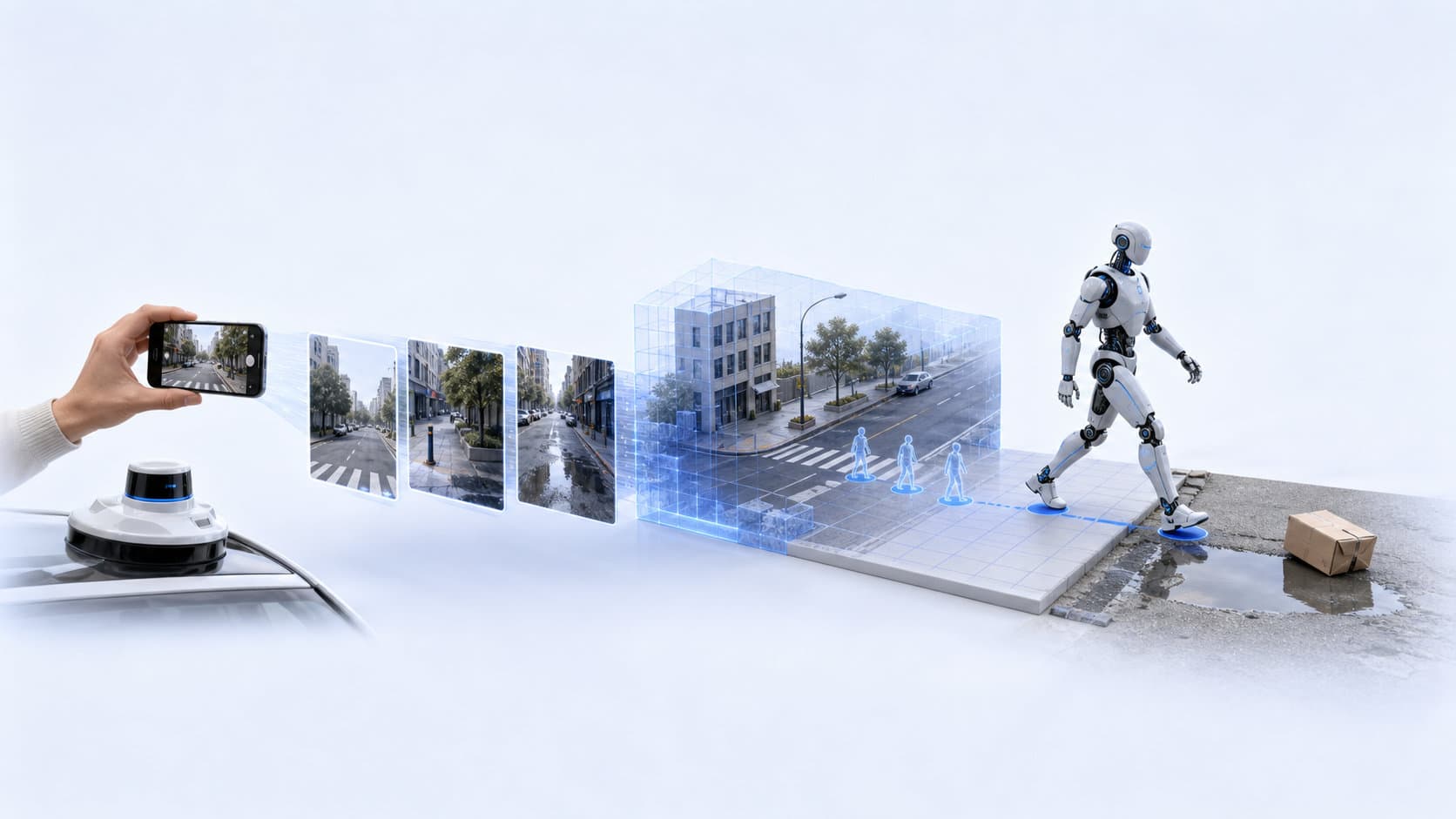
A cook sees the pot, knows what comes next and acts, without narrating each step. VL JEPA moves machine perception closer to that by learning compact summaries that keep what the task needs and ignore exact wording.
The paper also claims efficiency gains. In a like-for-like comparison, it reports stronger results with 50 percent fewer of the internal settings a model learns in training. That cuts training costs and gets models ready sooner.
Running a model for users is where many products pay the bill. Writing text only when needed takes about 2.85 times fewer text-producing steps than writing at fixed intervals, with similar performance. Fewer steps can mean lower running costs and faster responses. On devices with little power to spare, every extra calculation affects battery life and heat.
The paper reports a model with 1.6 billion of those learned settings competing with much larger, costlier systems. Smaller models like that can serve more users on each AI chip and run on more limited hardware.
If this is the beginning of the end for large language models, it starts with machines that have to see and act. Smart glasses do not need a running commentary on what their wearer sees. They need fast understanding of the scene, so help arrives in the moment. Robots need the same kind of perception, one that drives action as the world changes without an inner narration that adds delay.