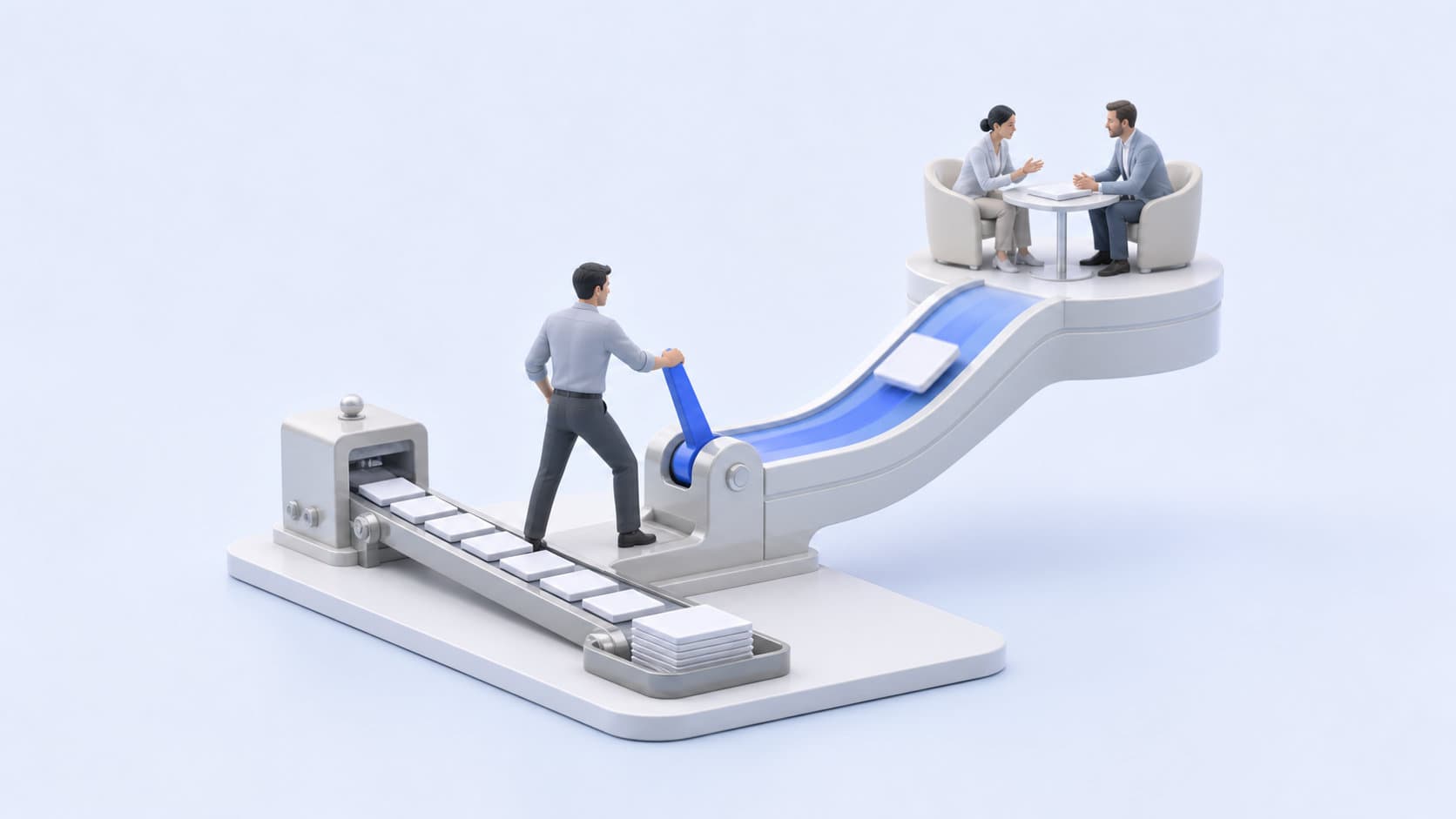
Every leader rolling out AI eventually has to decide whether a task goes to the technology or stays with a person. Lila Ibrahim has made that call for years inside Google DeepMind, the lab building the AI systems other companies are reacting to. After close to eight years as chief operating officer, she moved into a newly created role, chief AI readiness officer, Fast Company reported. “I have yet to see a job that has gone away because of AI,” she told Fortune. Positions there have shifted, but none have closed.
A role shifts when its tasks change while the position and the person in it stay. A job goes away when the position is deleted and nobody replaces it. Her count of zero covers only the second kind.
So when she hears that another company eliminated a job because of AI, her first reaction is curiosity. She asks how the company concluded that AI, specifically, made the role unnecessary. Then she asks why it removed the position instead of expanding it around the person already doing the work. Last, she asks whether it came away with a new understanding of the work, something to build a different role from. The questions separate a role AI replaced from a role a company cut without knowing why.
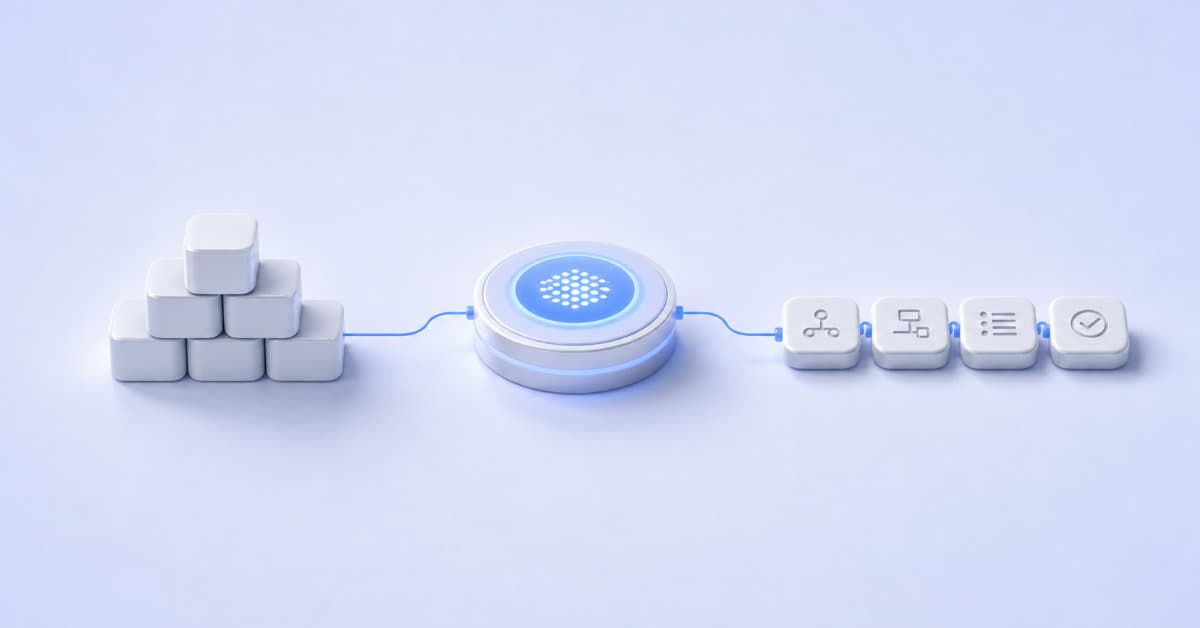
DeepMind ran the same test on itself first. While she still oversaw operations, her team tracked, function by function, where staff reached for AI on their own and where they kept working the old way. The second list proved more useful. Where people kept doing a task by hand after an AI version existed, the reason was usually the same. The human part of the work still counted for them, enough that they did not want to give it up.
Because staff made those choices themselves, each one showed her team where a skill lived inside the lab. Those skills guide who DeepMind hires, what it trains people for and how it rewards them, Ibrahim says. Pay and promotion follow the strengths staff had already shown they valued enough to keep doing by hand.
Ibrahim stops short of predicting that AI will spare every position everywhere. Her count of zero comes from a single lab, a small sample on its own.