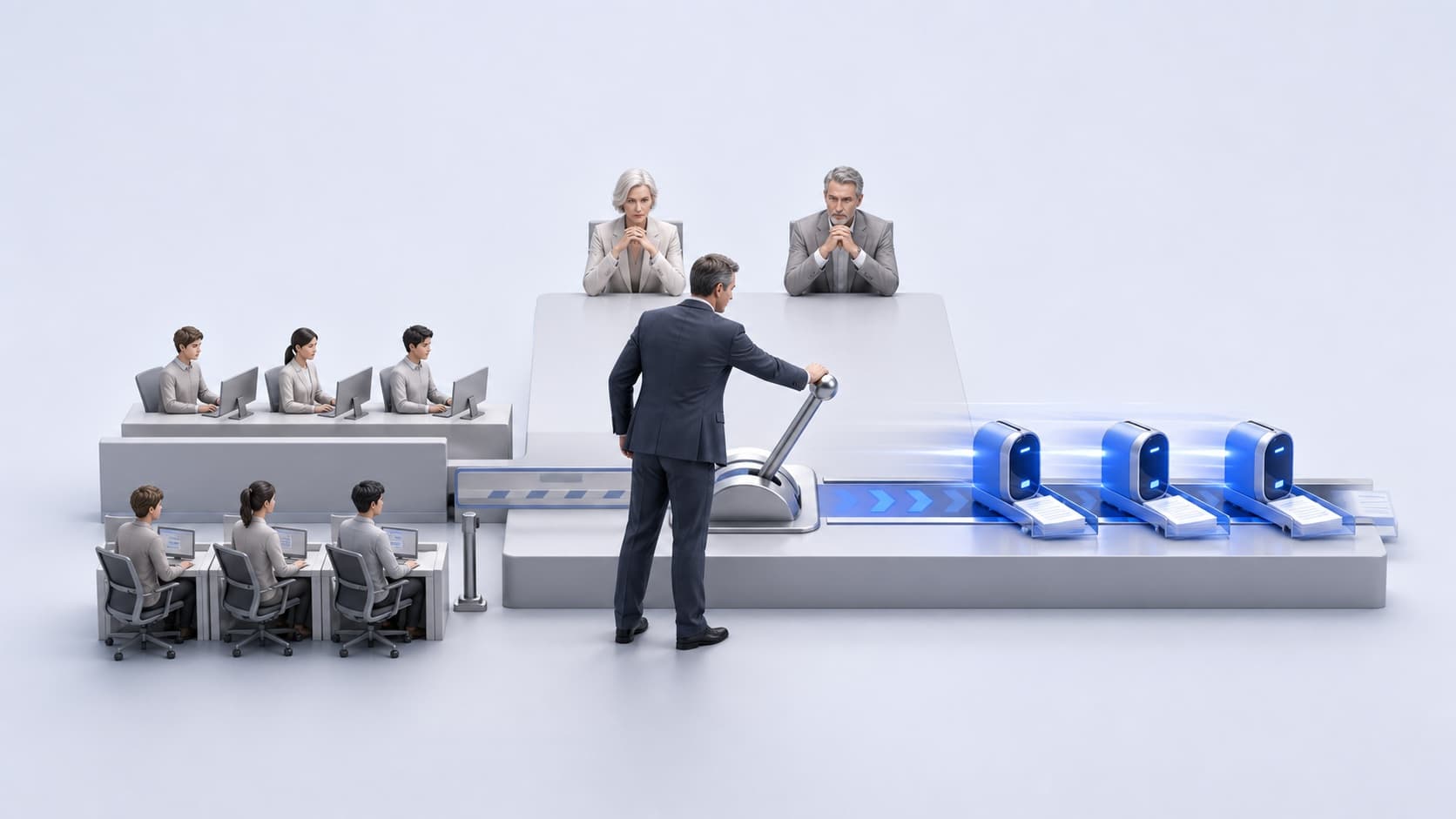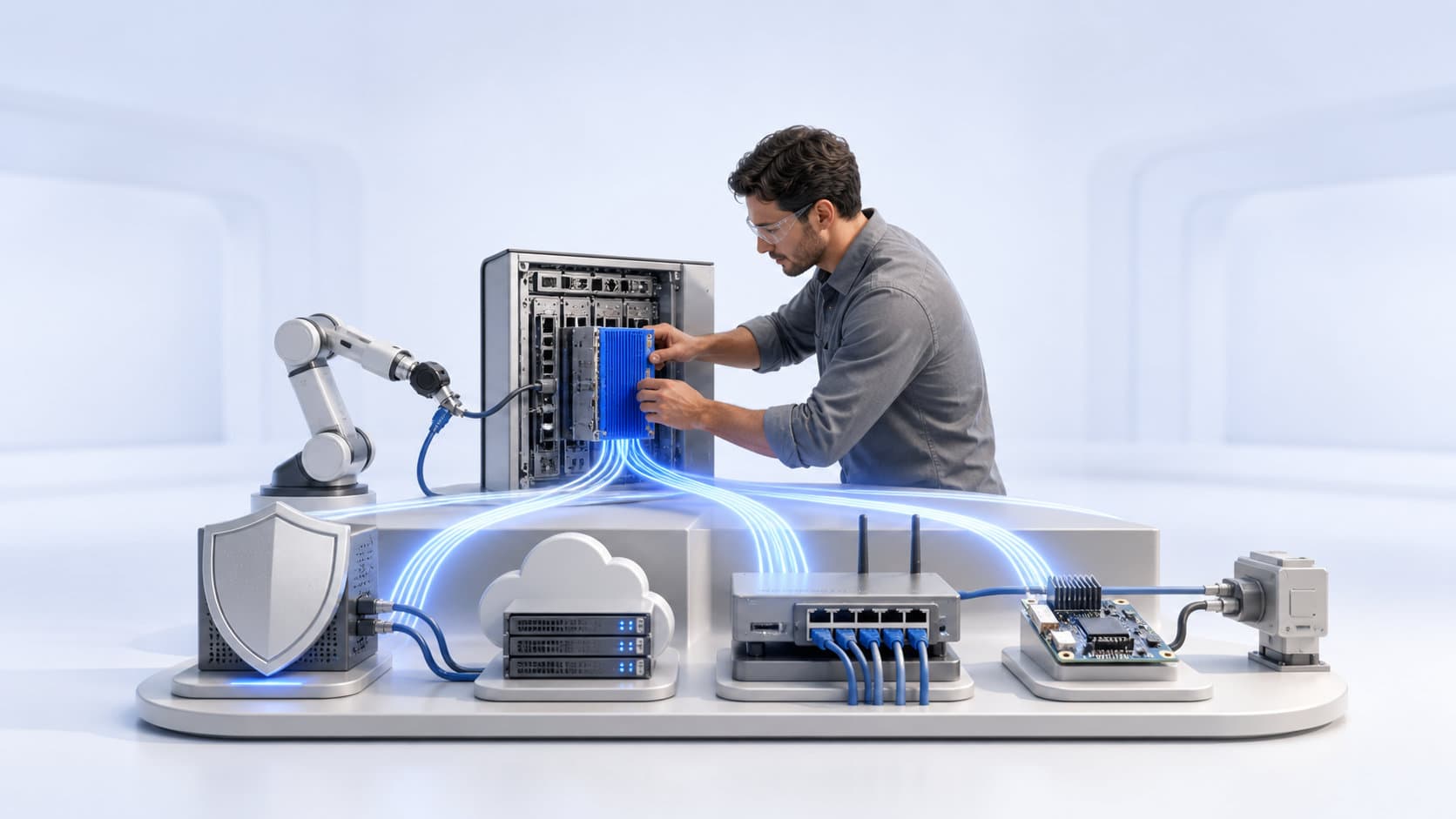
Long division, algebra and calculus once filled a school day, all worked out by hand. Now a machine does them before anyone picks up a pencil. Jensen Huang, chief executive of Nvidia, a company at the center of the AI boom, grew up practicing those calculations. Yet he says he is as busy as he has ever been. That raises the question underneath most talk about AI: if a machine takes over a person’s task, what happens to the person’s job?
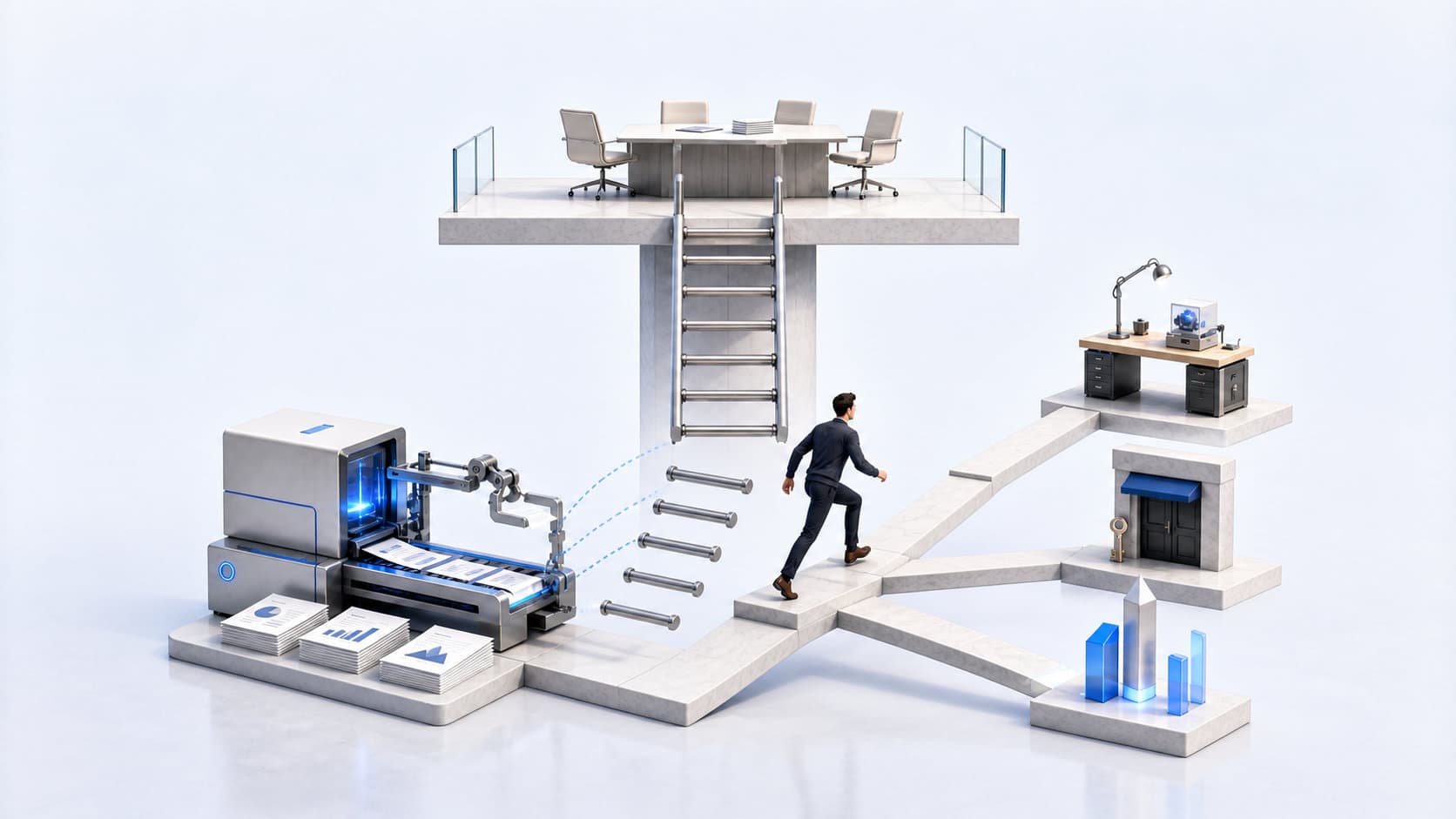
Huang answers by separating a job’s purpose from the tasks inside it. A doctor’s purpose has not changed since long before computers: diagnose disease and help patients get well. The tools keep changing. Handwritten charts became electronic records, and film X-rays became digital scans read with help from software. Each change replaced a task inside the job without touching its purpose, and in his view AI works the same way.
Sometimes, though, technology wipes out a whole trade while creating new ones nobody predicted, a pattern economists call creative destruction. The usual example is the buggy whip maker, whose trade had no future once cars replaced horse-drawn carriages. Nobody in the carriage trade foresaw the auto shop, the gas station or the highway system that followed. Huang says people are in the same position with AI, unable to tell which skills will be valuable over the next five to fifteen years.
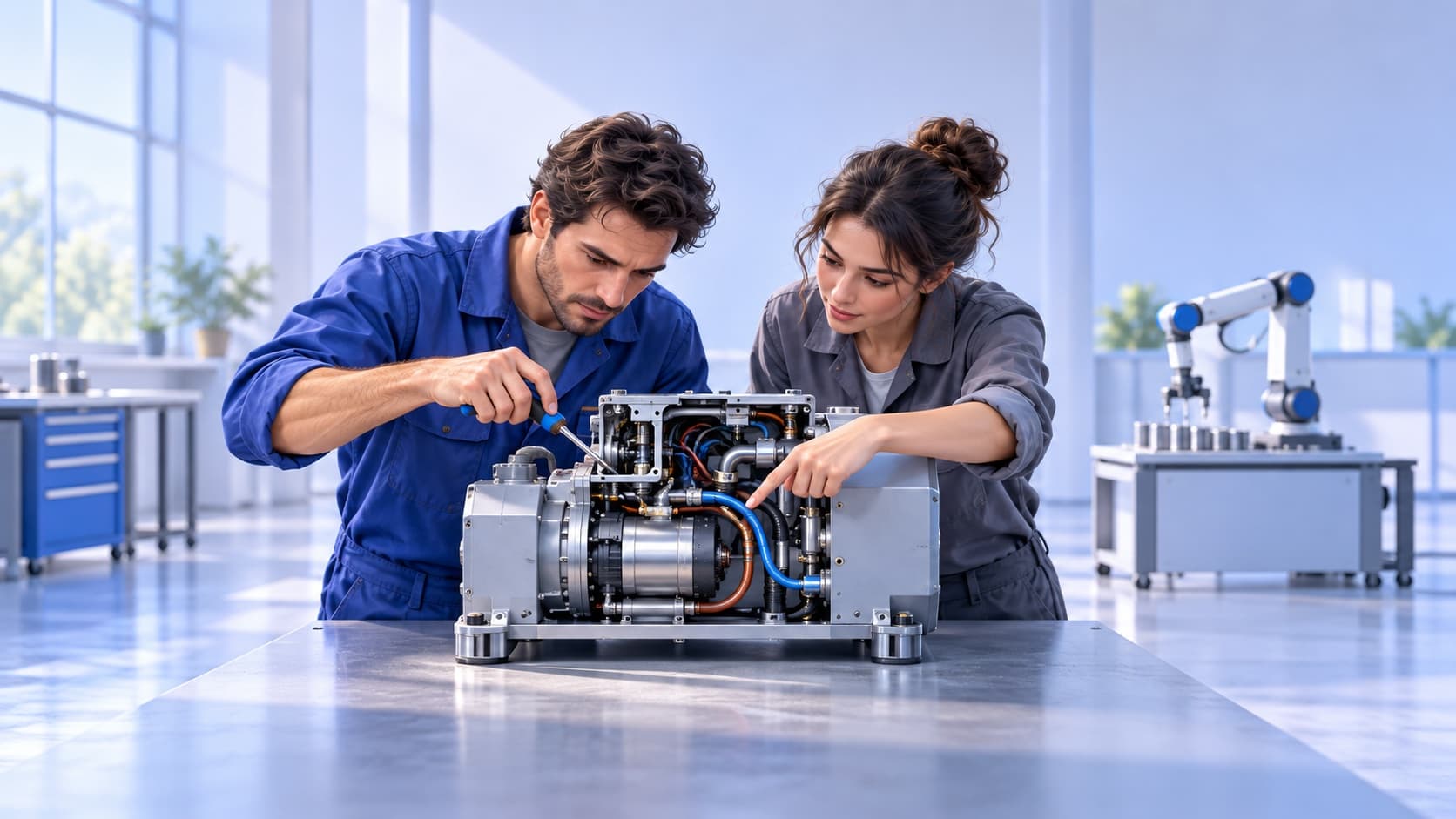
He does point to the kind of work that is growing. At a conversation hosted by the Milken Institute, he said AI gives the United States its best opportunity to build factories and industrial capacity at home. In his telling, that means more construction workers, more tradespeople and more people who build physical things for a living.
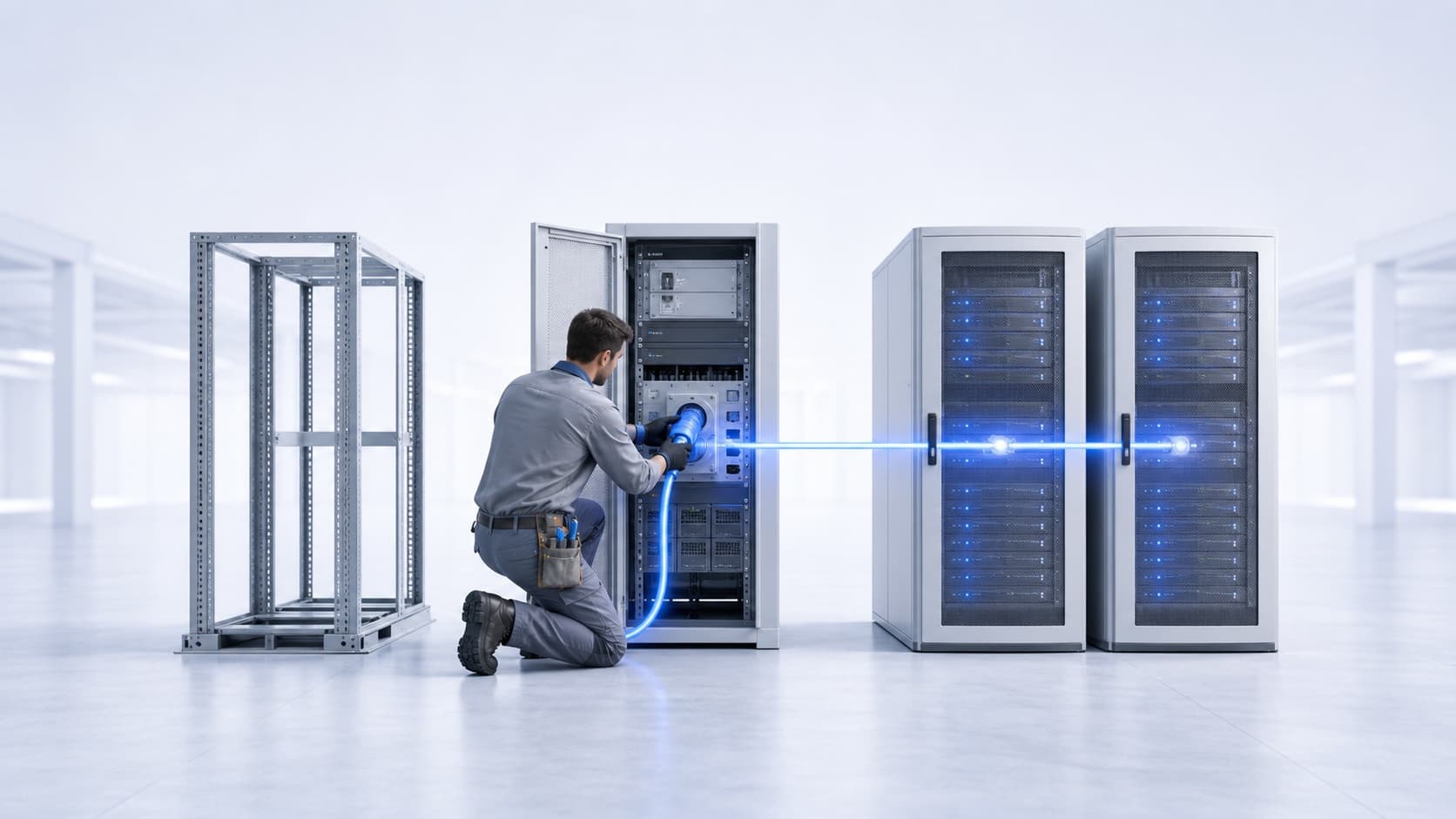
Those jobs are easiest to see at construction sites. AI runs on computing power, and supplying it means building chip plants, computer plants and data centers across the country. A data center holds racks of computer chips, but before any chip turns on, the building needs power brought in, cooling installed and miles of wiring run. Electricians, welders and construction crews do that work in person. In a Fox News interview, Huang said building the plants AI runs on has already created about half a million of those jobs.