Jensen Huang, chief executive of the chipmaker Nvidia, had never posted on X. His first post shared a letter signed by twenty-five companies, investors and open-technology groups. The reason he broke a long public silence sits in one paragraph near the end.
The letter carries names including Microsoft, Meta, IBM and Palantir. Most of it makes a familiar case for AI models that anyone can download, inspect, change and run on their own computers.
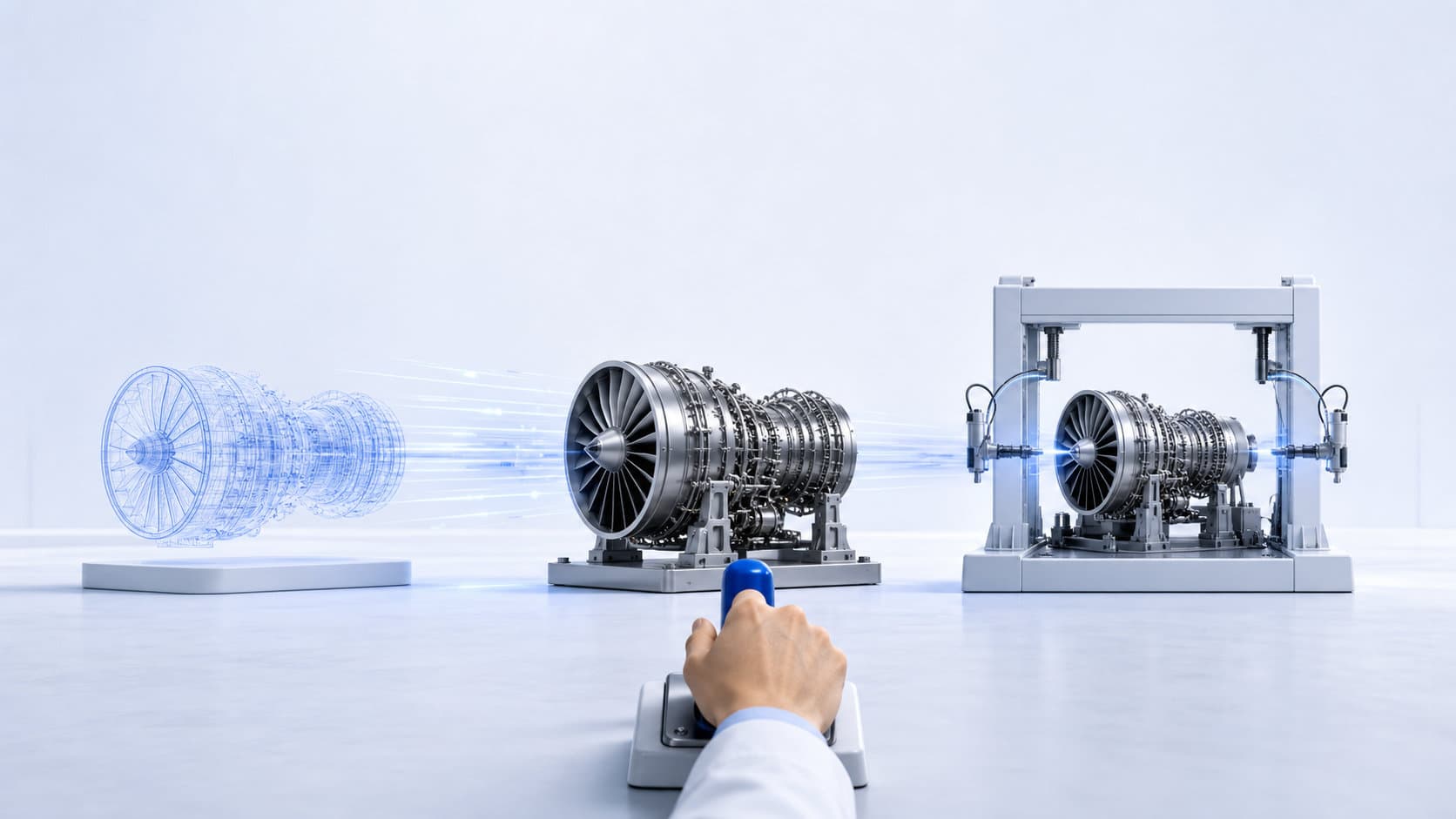
Then comes the paragraph with law and money attached. Policymakers, the signatories write, should not lump legitimate ways of building models together with misappropriation, the wrongful taking of someone else’s work. The method in question uses one model’s answers to help train or improve another. A team sends questions through an existing model, collects the answers and uses them as teaching material for a newer or smaller system, a practice called distillation. By the letter’s account, the method is widely used to improve, test and check models.
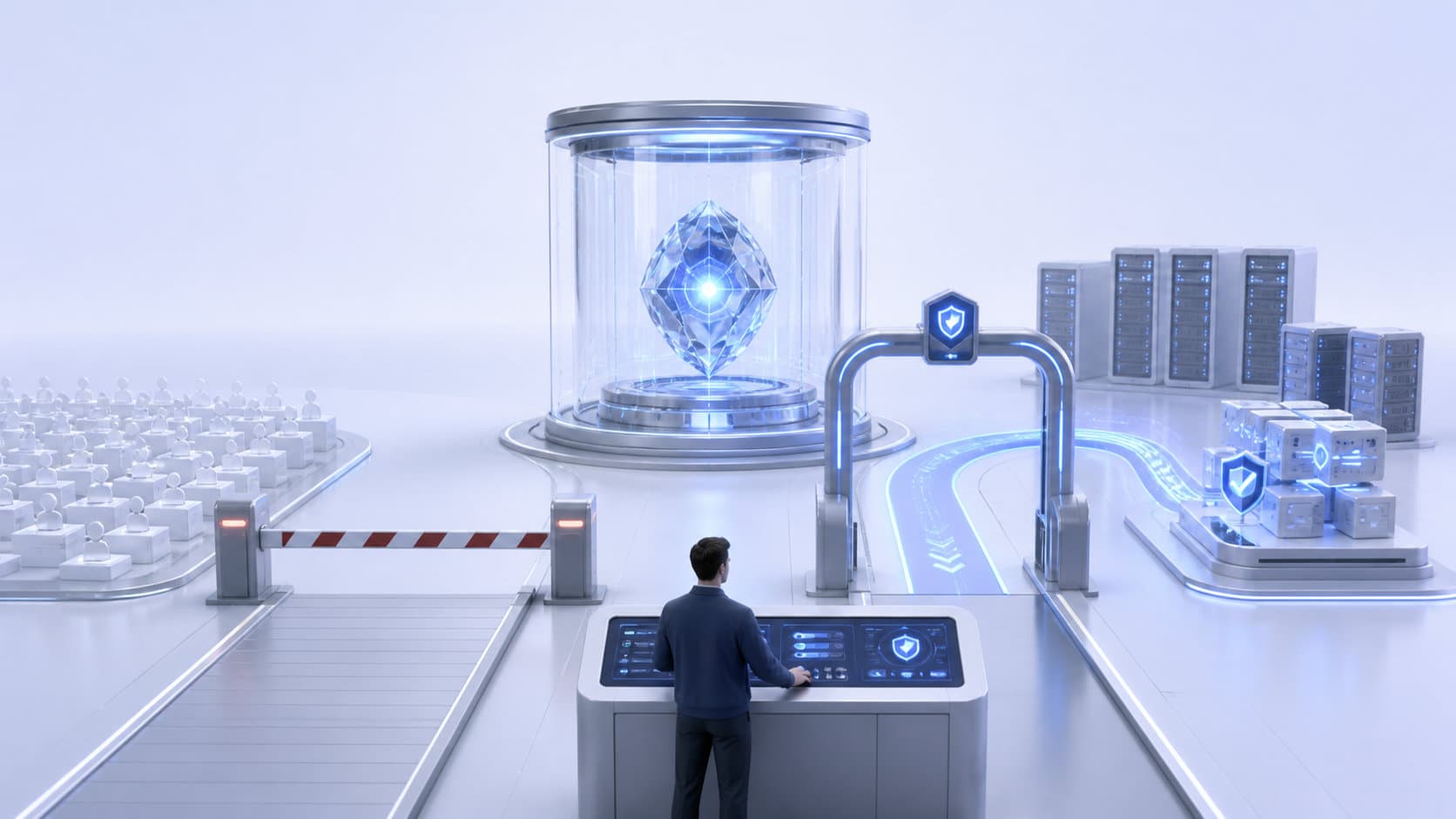
The letter also says unlawful efforts to extract value from closed models raise legitimate concerns. Those concerns belong in targeted legal and commercial rules, it argues, rather than sweeping limits on a technique the industry runs on. Washington was weighing limits on downloadable models, and distillation had become the word doing the heaviest lifting in the argument for those limits.
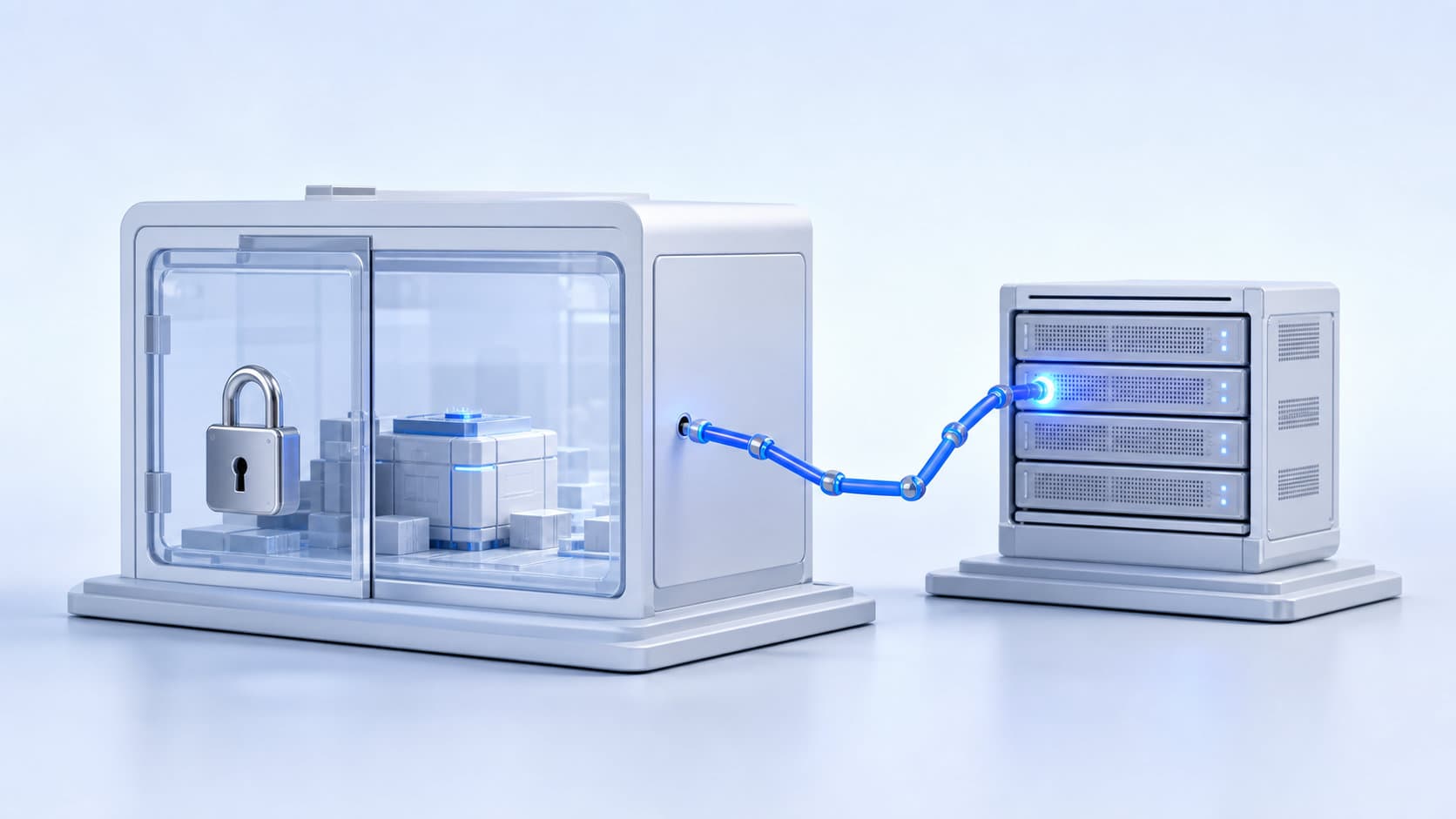
Real misappropriation already has a courtroom record, and it looks nothing like distillation. In January 2026, a federal jury in San Francisco convicted former Google software engineer Linwei Ding of economic espionage and theft of trade secrets, seven counts of each. Over roughly a year, he pulled more than two thousand pages of confidential material off Google’s network. They covered the design of Google’s own AI chips and the software that links thousands of them into a supercomputer. The Justice Department called the verdict the first AI-related economic espionage conviction in American history.
The line the signatories draw runs between two kinds of behaviour. One is taking documents, files and specifications a company kept behind its own walls. The other is sending questions to a model already released to the public and studying what comes back. A single rule against copying would cover both.