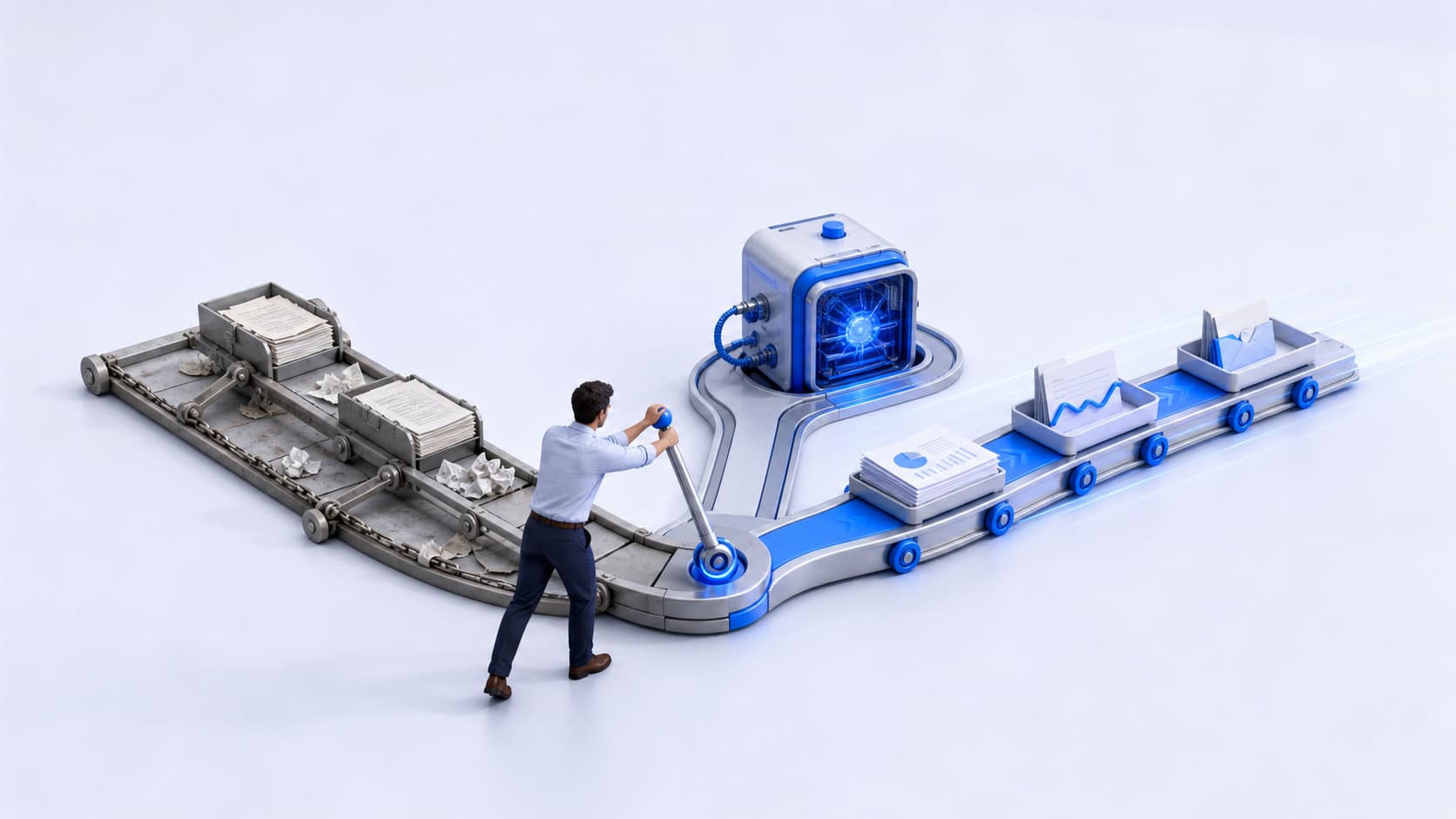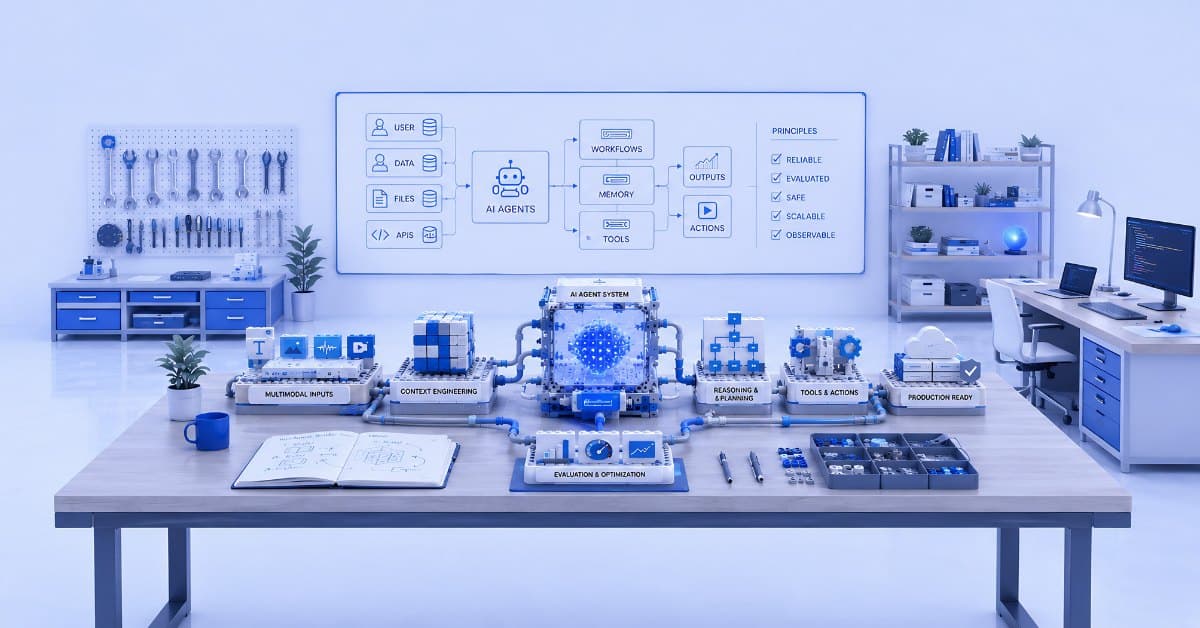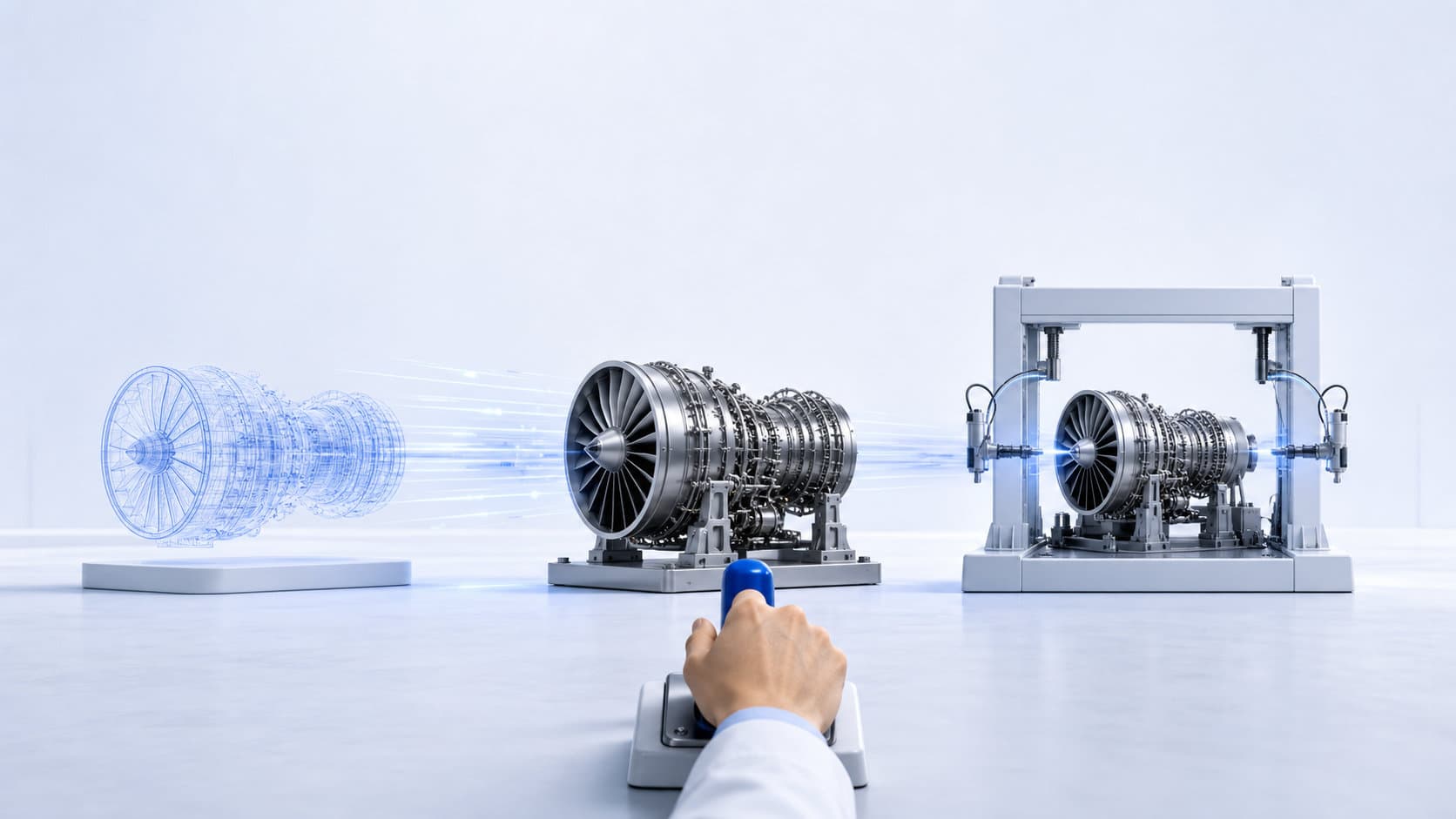
For months, little was known about what Jeff Bezos was building at a company called Prometheus. There was a name, a vague description of engineering and manufacturing, and the résumé of the physicist he had picked as his partner. That changed in 2026, as the company raised $12 billion at a valuation near $41 billion and its founders said what they were building. They call it an “artificial general engineer,” software meant to design, test and help manufacture complex physical products, such as jet engines, spacecraft, chips and new drug compounds.
The partner is Vik Bajaj, a physicist and chemist who worked at Google X on the self-driving car project that became Waymo. His background fits the bet, because building a machine that can design a jet engine or a chip takes physical science as much as software.
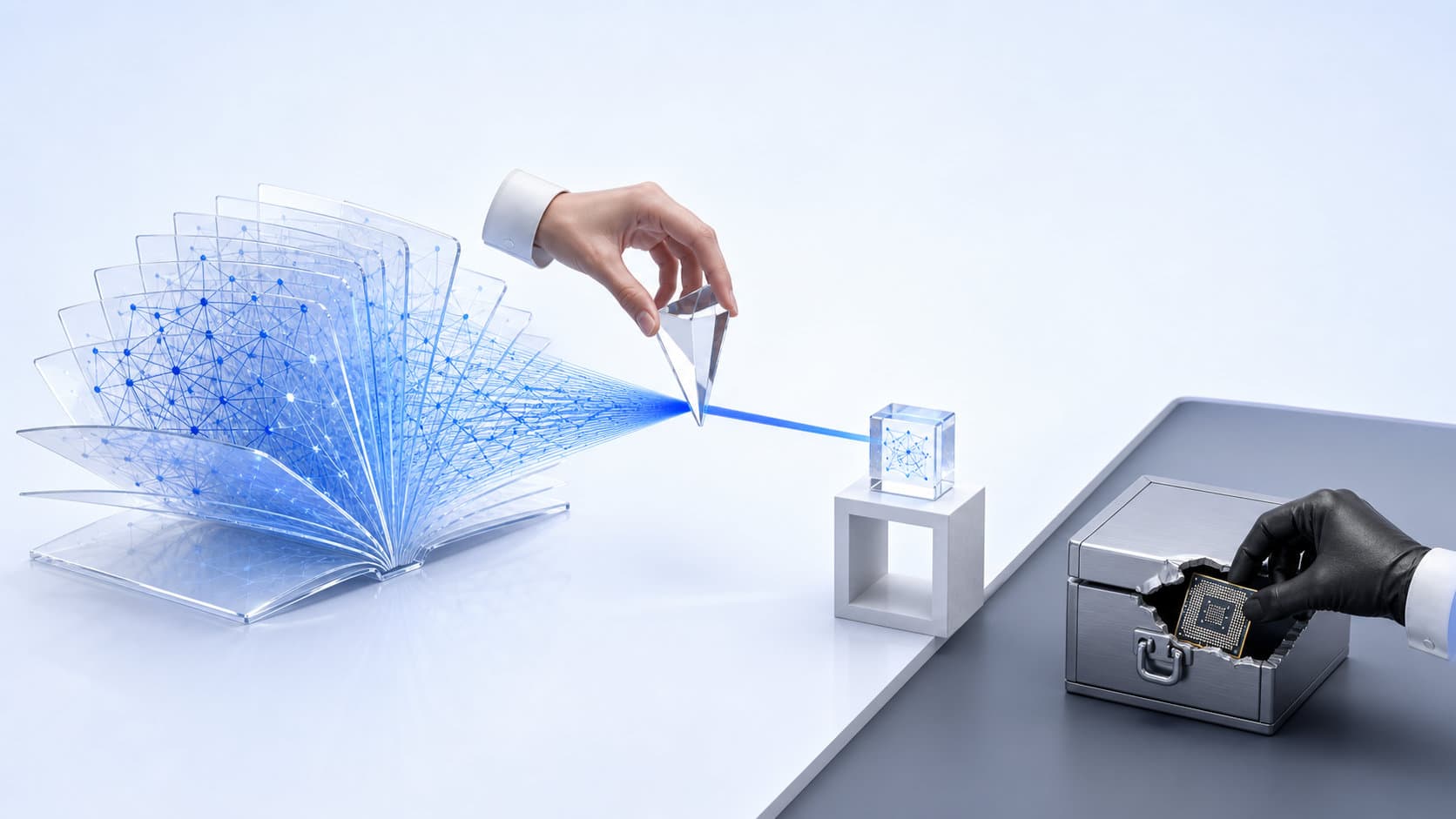
Behind that bet is a limit of AI assistants such as Claude and ChatGPT. They learned from vast amounts of digitized human knowledge, mostly text, code and images pulled from the internet. That makes them strong at language but not at material science, the physics of heat or the way a supply chain behaves. None of that knowledge was in the material they learned from.
Bezos told CNBC in June 2026 that training a system on physical engineering means building and reaching entirely different data, which is hard to access. Manufacturers rarely share the day-to-day detail that explains why a part failed. According to the Financial Times, Prometheus was also preparing to raise tens of billions of dollars. The money would go to a holding structure that would buy the kind of industrial businesses its technology is meant to disrupt. Owning them is one way to reach that detail.
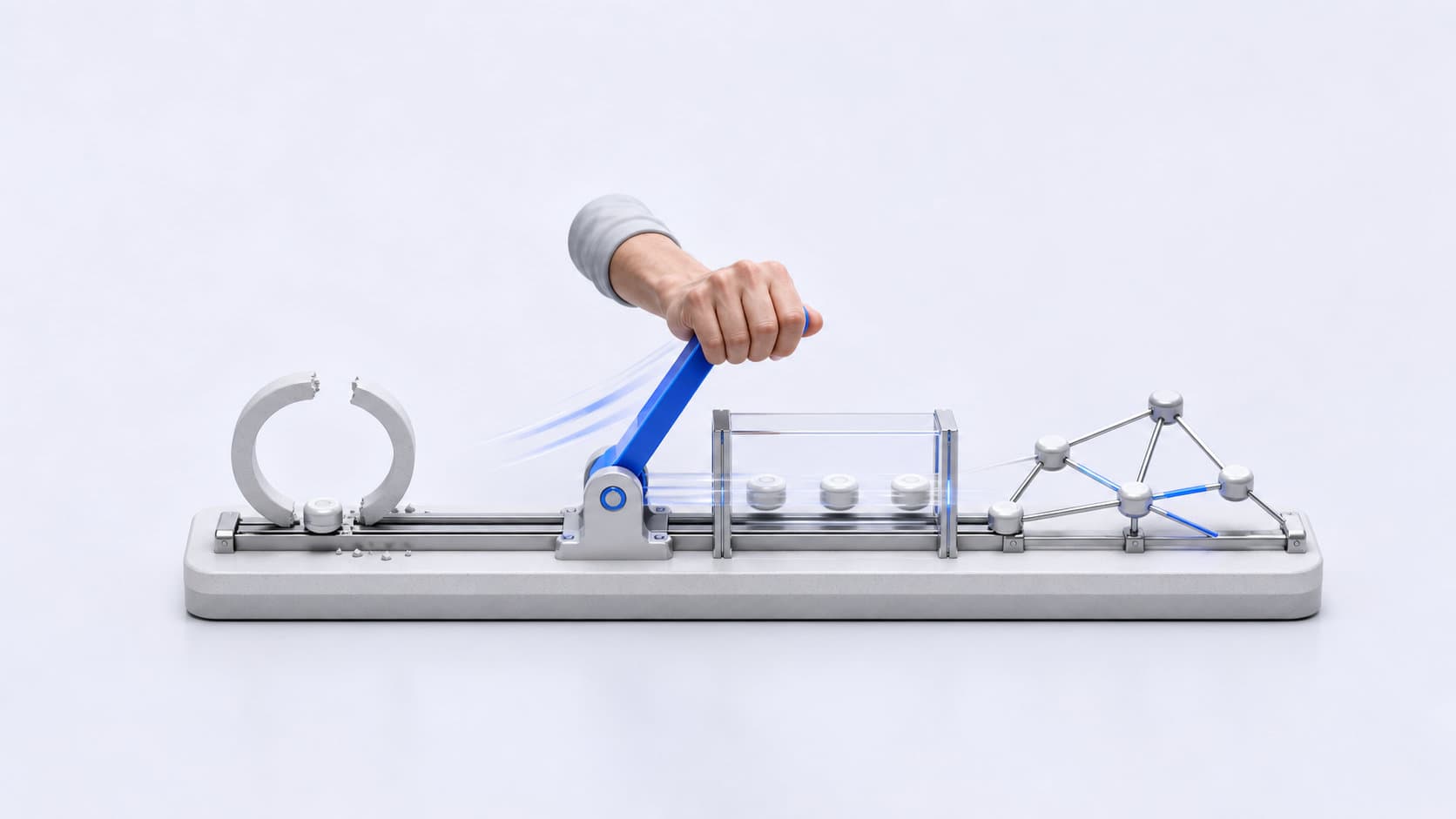
Physical engineering also moves more slowly than software. Code ships quickly, gets tested by real users and gets rewritten within days. A jet engine or spacecraft design can be simulated and refined quickly inside a computer. Building a working one still requires physical prototypes, certification and testing, steps no software tool can compress. Bezos described a team of about 150 people with, in his own words, many miles to go. He would not set a timetable for when a product built this way reaches a factory floor.