Among Australians who use AI at work, 68% say they are scared of falling behind if they do not keep adapting. Only 13% say their workplace rewards them for reinventing how they work when the payoff takes time to show up. That mismatch sits at the centre of the 2026 Work Trend Index, Microsoft’s report on how AI is changing work.
Employees are ready to work differently, but the systems around them still reward the old way of doing the job. Those systems include the goals people are measured against and the incentives that decide who gets recognised. Microsoft calls this the Transformation Paradox. In Australia, 51% of AI users say it feels safer to keep working the way they always have than to redesign their job around AI.
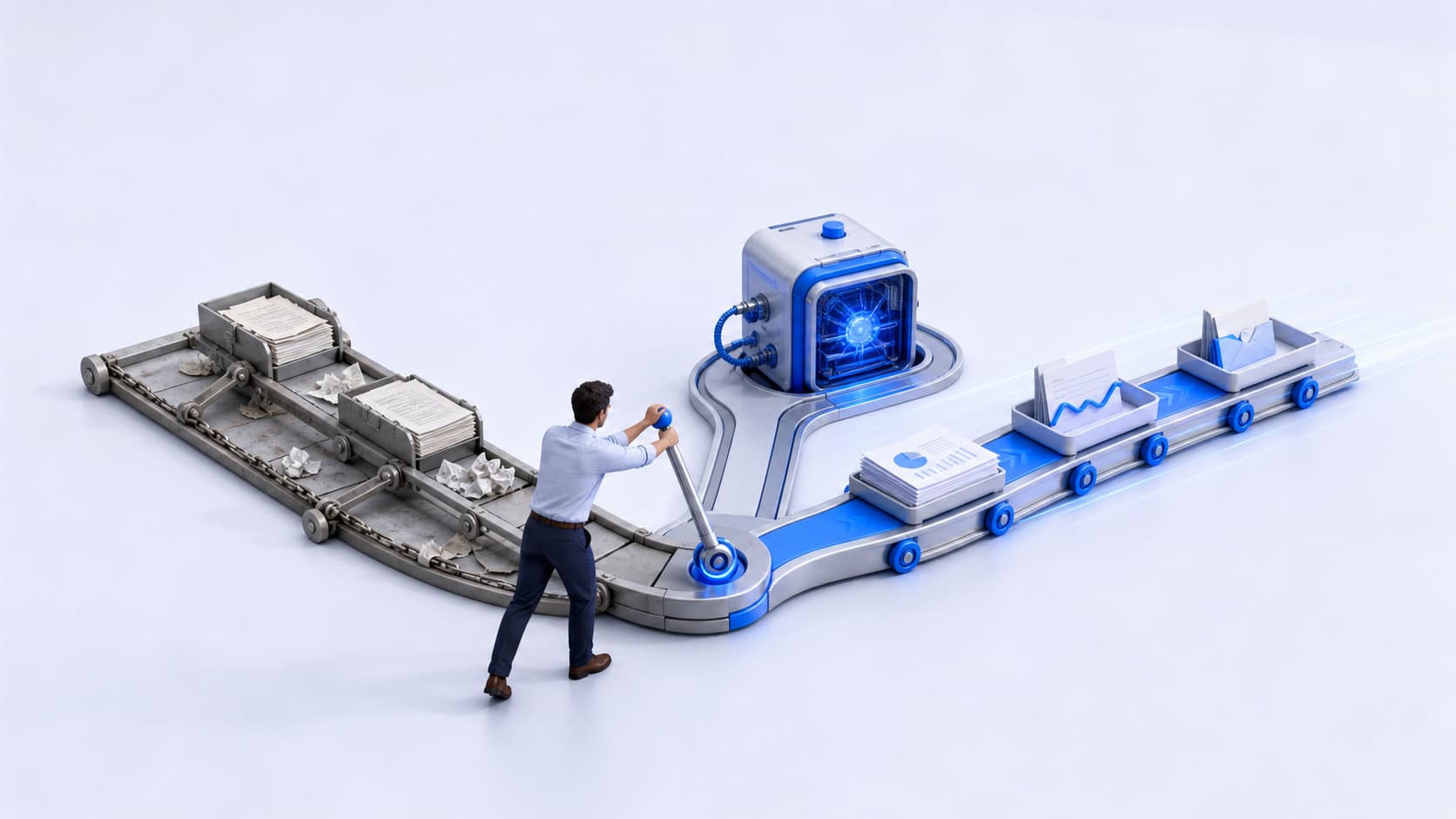
This kind of standstill has happened before. When electric motors first reached American factories in the early 1900s, most owners pulled out the steam engine and bolted in the new motor. They kept the same layout, built around one central power source. Output barely moved for roughly three decades. The gains came only once factories were rebuilt, with an electric motor for each machine and a floor plan arranged around the flow of work.
Across the ten countries Microsoft surveyed, including Australia, only 16% of AI users had rebuilt how they work around AI. What sets them apart is a habit of deciding, before a task starts, which part of the job goes to AI and which stays with a person. Of this group, 53% make that call on purpose, compared with 33% of everyone else.
Individual habits are the smaller part of the story. Microsoft finds that workplace factors account for 67% of the impact on AI results, more than twice the 32% that comes from individual mindset and behaviour. Those factors include culture, manager support and how a company manages its people.
That support shows up in how those who rebuilt their work around AI describe their managers. Of them, 85% say their manager uses AI openly, against 64% of other AI users. Their managers are also more likely to set clear standards for AI-assisted work and to give them room to experiment. And 87% work for a manager who pushes for bigger redesigns of the job itself, against 61% of other users.