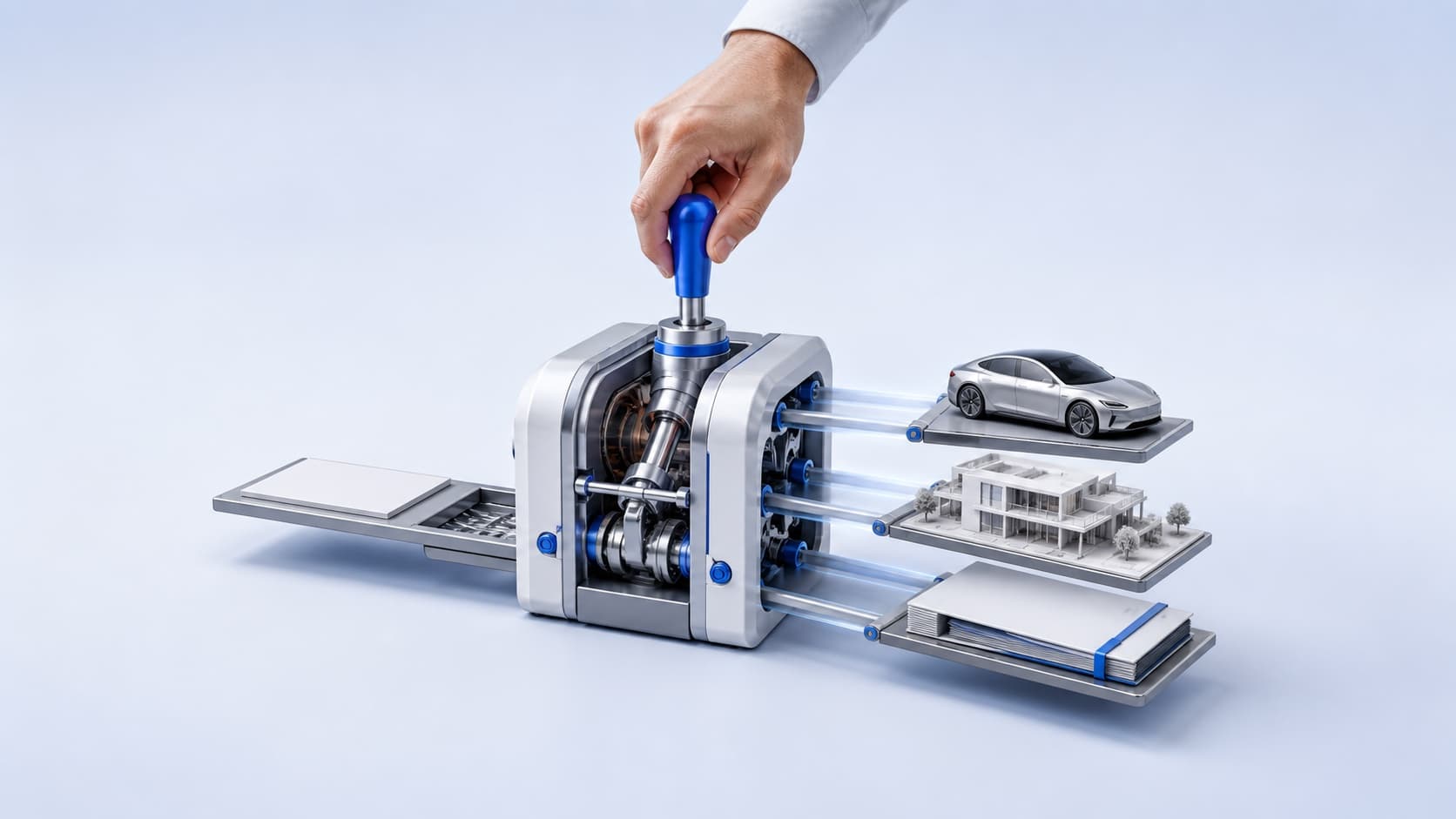
Radiology was one of the first professions people said AI would replace. If AI could read scans better than humans, the argument went, radiologists would no longer be needed. That prediction confused the task with the role. Reading scans is one part of radiology, but the job is to help diagnose disease and help doctors make better decisions about patient care.
AI has pulled ahead on some imaging tasks. In a 2020 breast cancer screening study, an AI system outperformed six radiologists who each reviewed the same cases on their own. In the UK, where two specialists read each screening scan, a simulation found the AI performed about as well while cutting the second reader’s workload by 88 percent. Results like that made many people expect the profession to shrink.
It did not. A 2025 workforce analysis drew on 46.4 million US imaging exams. Over the study period, the number of working radiologists rose 23.6 percent, while imaging volume grew 31 percent. The health care system used the efficiency to handle more scans and more cases.
Separating the role from the task explains why, though the results suggest this rather than prove it. When scans can be reviewed faster, hospitals can move more patients through diagnosis, shorten delays and make better use of scarce specialist time. The task becomes faster, but the role can become more valuable, because the wider system can do more of the work it exists to do.
Software engineering sits in much the same position. Writing code is part of the work. The purpose of the role is to solve problems, diagnose failures, judge whether the result is right, work with other people and decide what to build next. A 2023 study of GitHub Copilot, an AI coding assistant, found developers using it finished a coding task 55.8 percent faster than a group without it. That is a clear gain in one slice of engineering, but nothing in the result shows engineers becoming less necessary.
Once coding speeds up, the constraint moves elsewhere. Teams can take on more features, test more ideas, fix more issues and respond faster to internal demand. That extra work creates value only if engineers still handle the rest of the job. The study did not test that part, because it measured only how quickly developers finished one coding task.