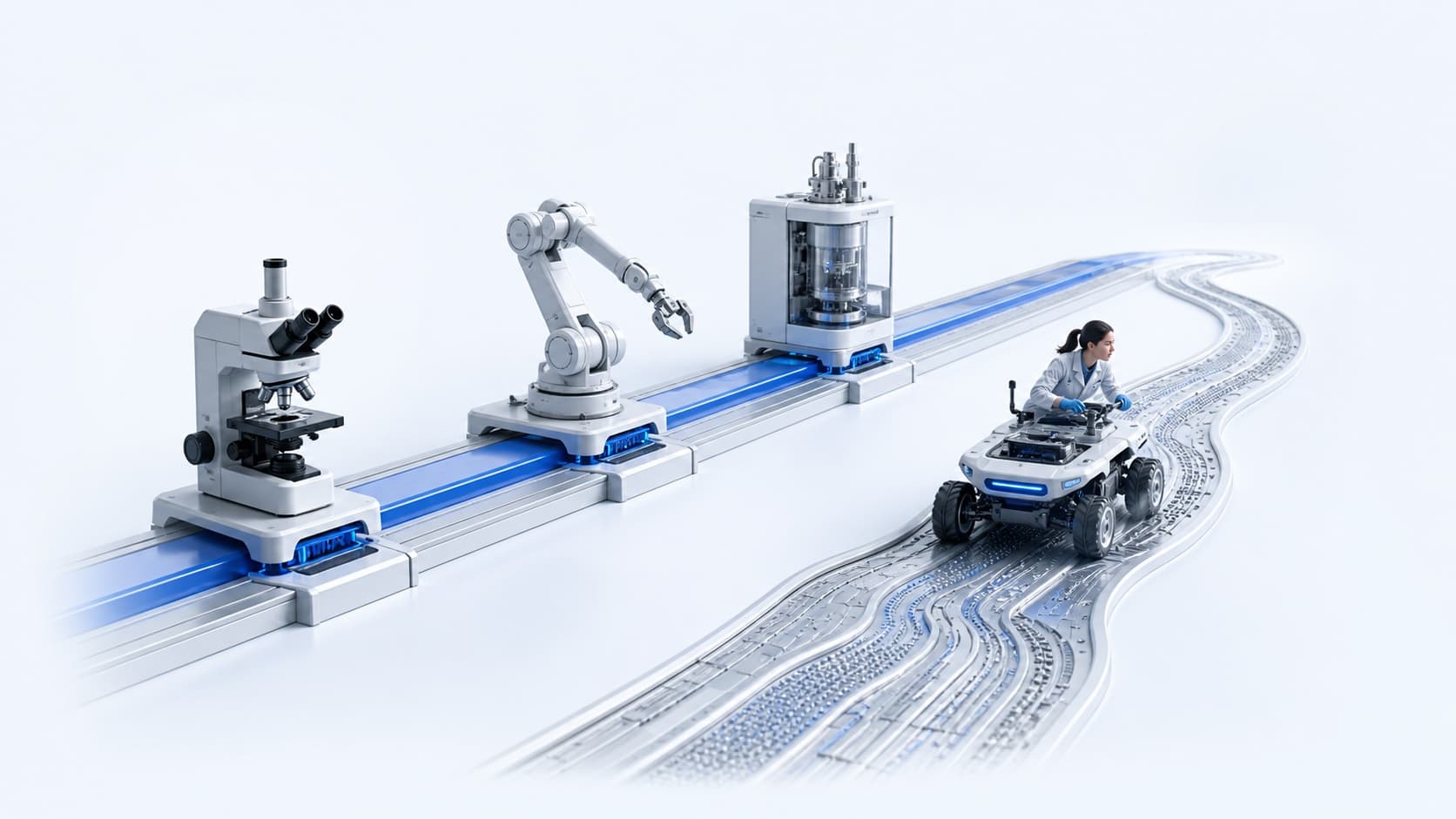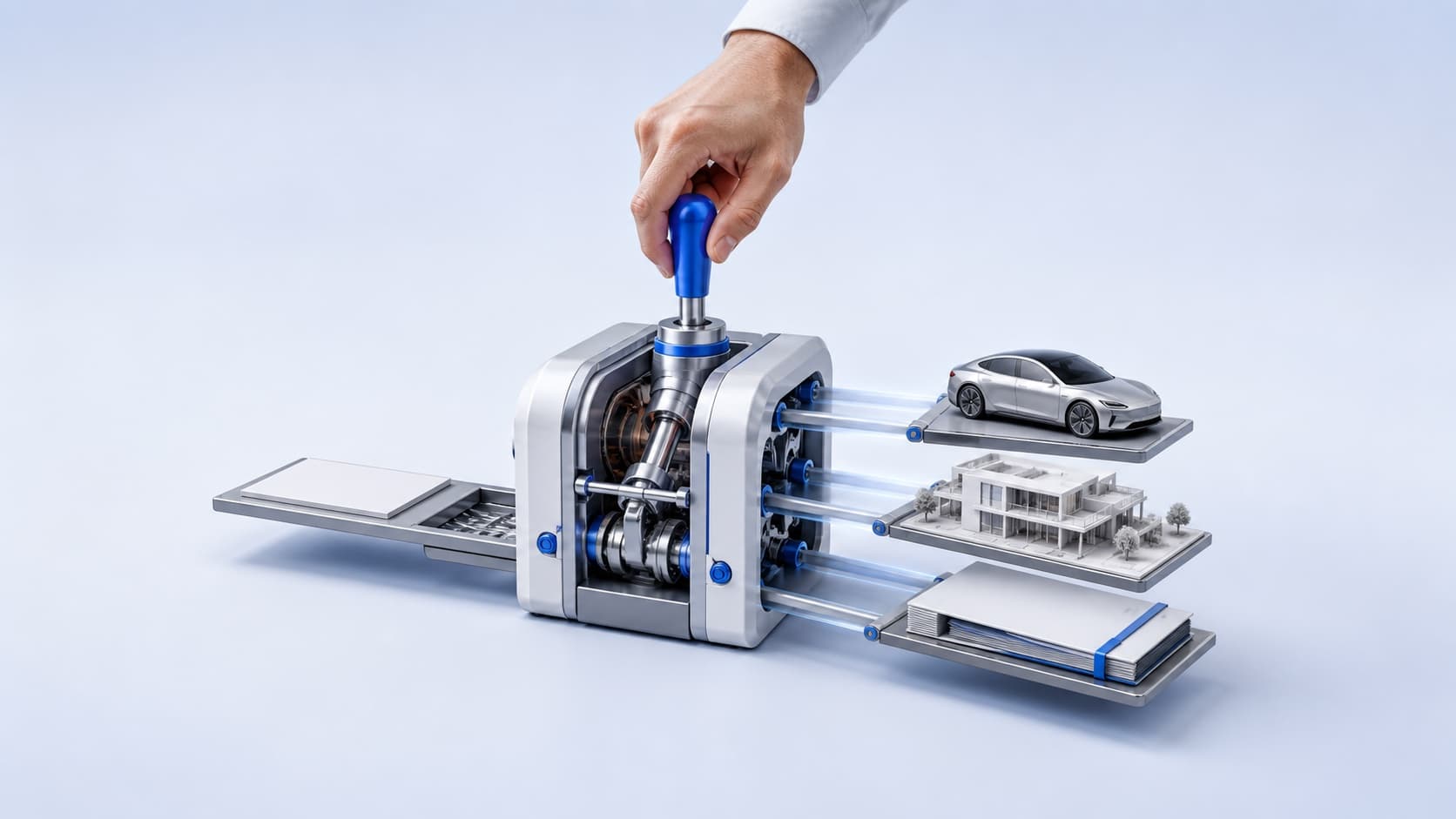
AI is supposed to save time. That saving is also why people fear AI will erase jobs. Both expectations rest on one assumption, that faster work adds up to less work overall. A 19th-century economic idea says that assumption does not always hold.
In his 1865 book The Coal Question, the British economist Jevons worried that Britain would burn through the coal powering its factories and railways. Steam engines had grown far more efficient, squeezing the same work out of much less coal, so coal use was expected to ease. Instead, the record showed consumption climbing as engines improved, and Jevons argued the trend would continue.
Cheaper power per unit of work was the reason. Factories installed more engines, new industries took up steam, and locomotives and steamships created new uses for coal. Together, those uses burned more coal than any single, more efficient engine had saved. Economists later named the pattern the Jevons Paradox: when efficiency makes a resource cheaper to use, demand can grow enough that total use rises.
For AI, the outcome depends on what share of an expected saving gets used up by extra demand, which economists call the rebound effect. Picture a car that burns 5% less fuel over the same distance. Cheaper travel tends to encourage more driving, so the real saving might be only 2%. Extra trips used up three of the five points, a 60% rebound. Fuel use still falls when the rebound is under 100% and holds steady at 100%. Beyond that point it rises, which is where a rebound becomes a Jevons Paradox.
The same math applies to work AI makes cheaper. Say AI halves the labor a software project needs. If the number of projects stays flat, demand for that labor halves too. If twice as many projects get built, the labor saved on each one is absorbed completely. Once projects more than double, total demand for that labor ends up higher than before AI arrived.
AI might erase some jobs while building demand for others, the reshuffling banks went through with automated teller machines. The machines took over routine tasks like dispensing cash and processing deposits, and many expected them to eliminate teller jobs. Banks instead used the lower cost of running a branch to open more branches, so demand for tellers held up. The tellers who remained shifted toward duties the machines could not handle.