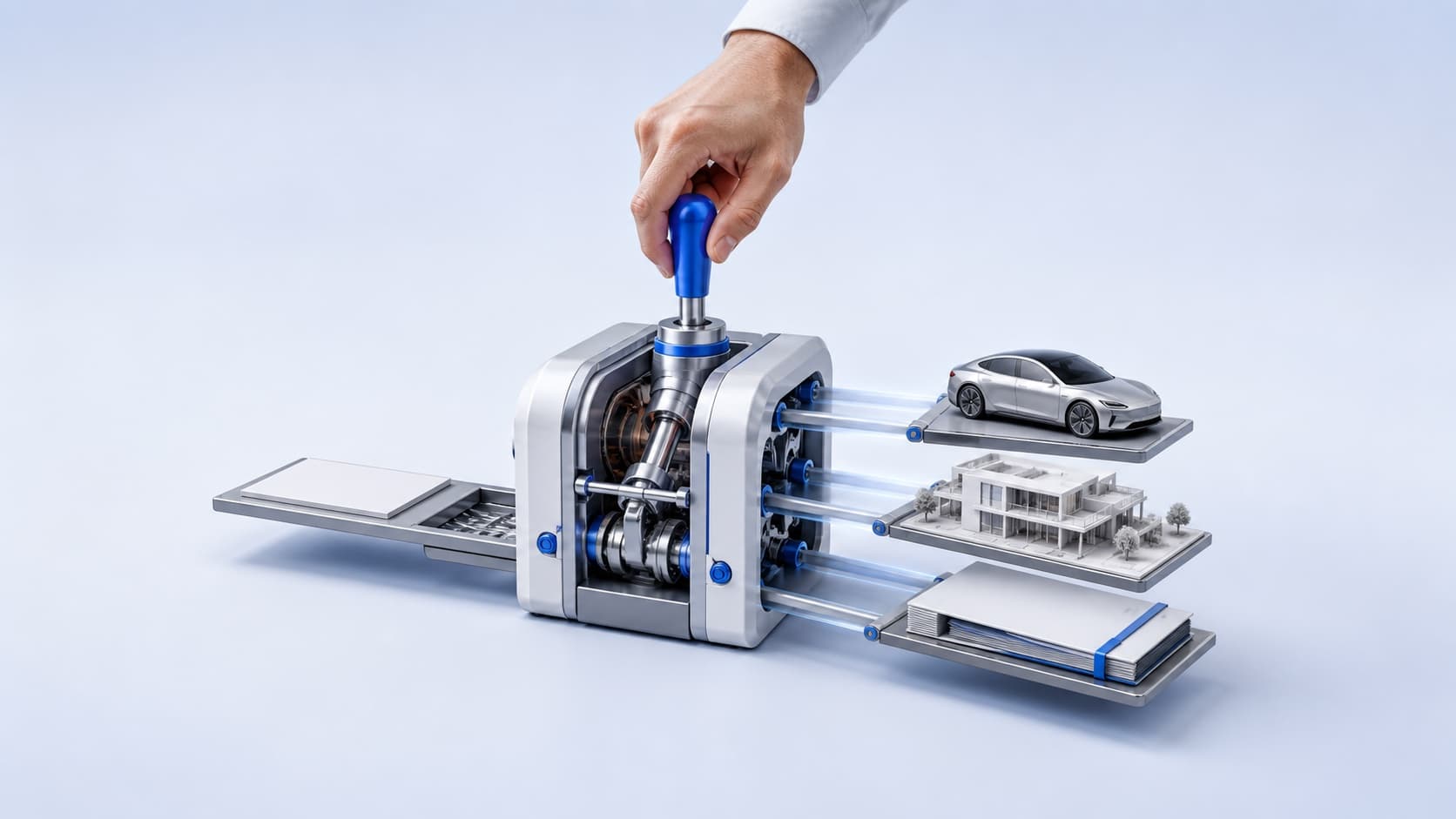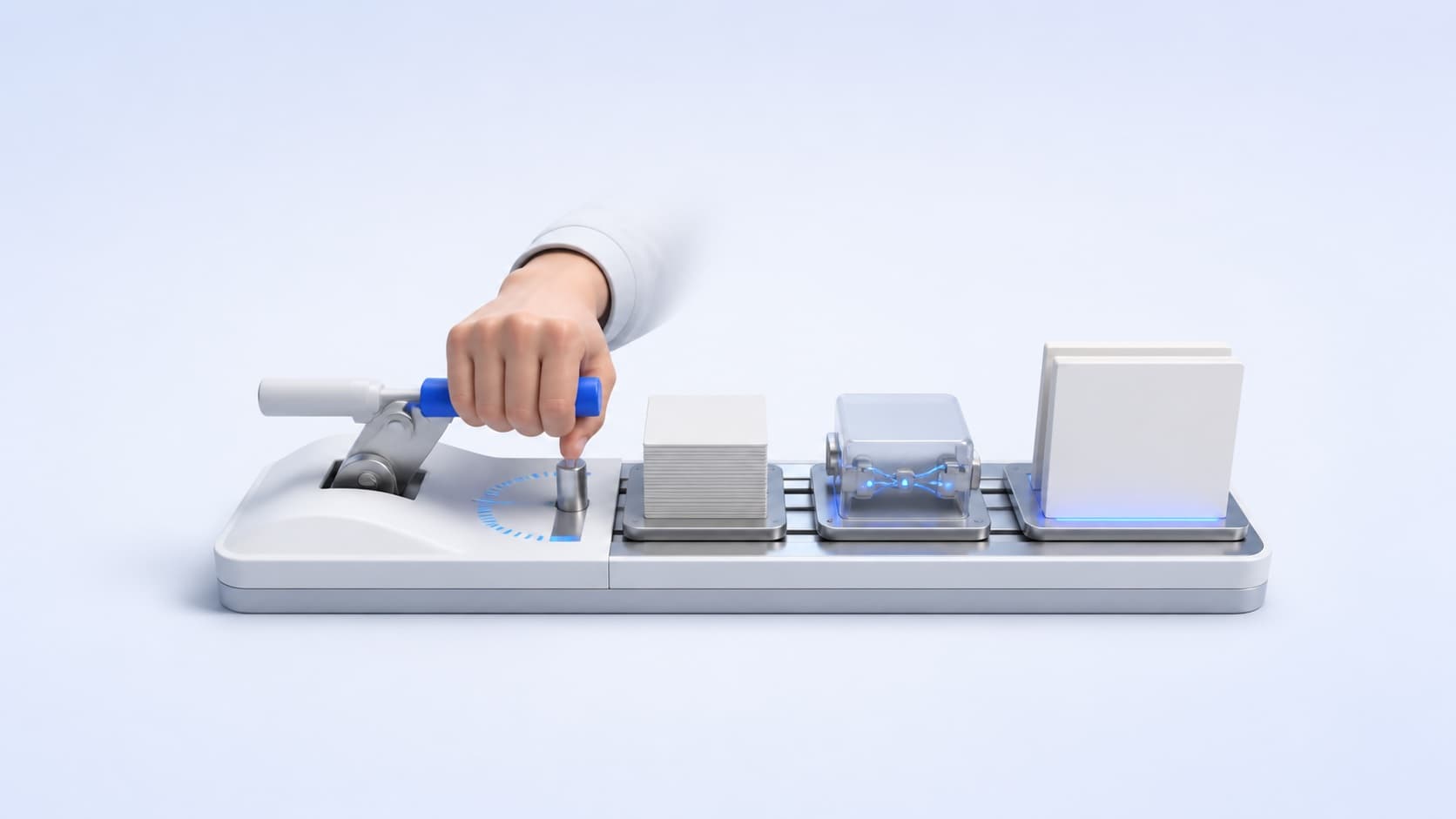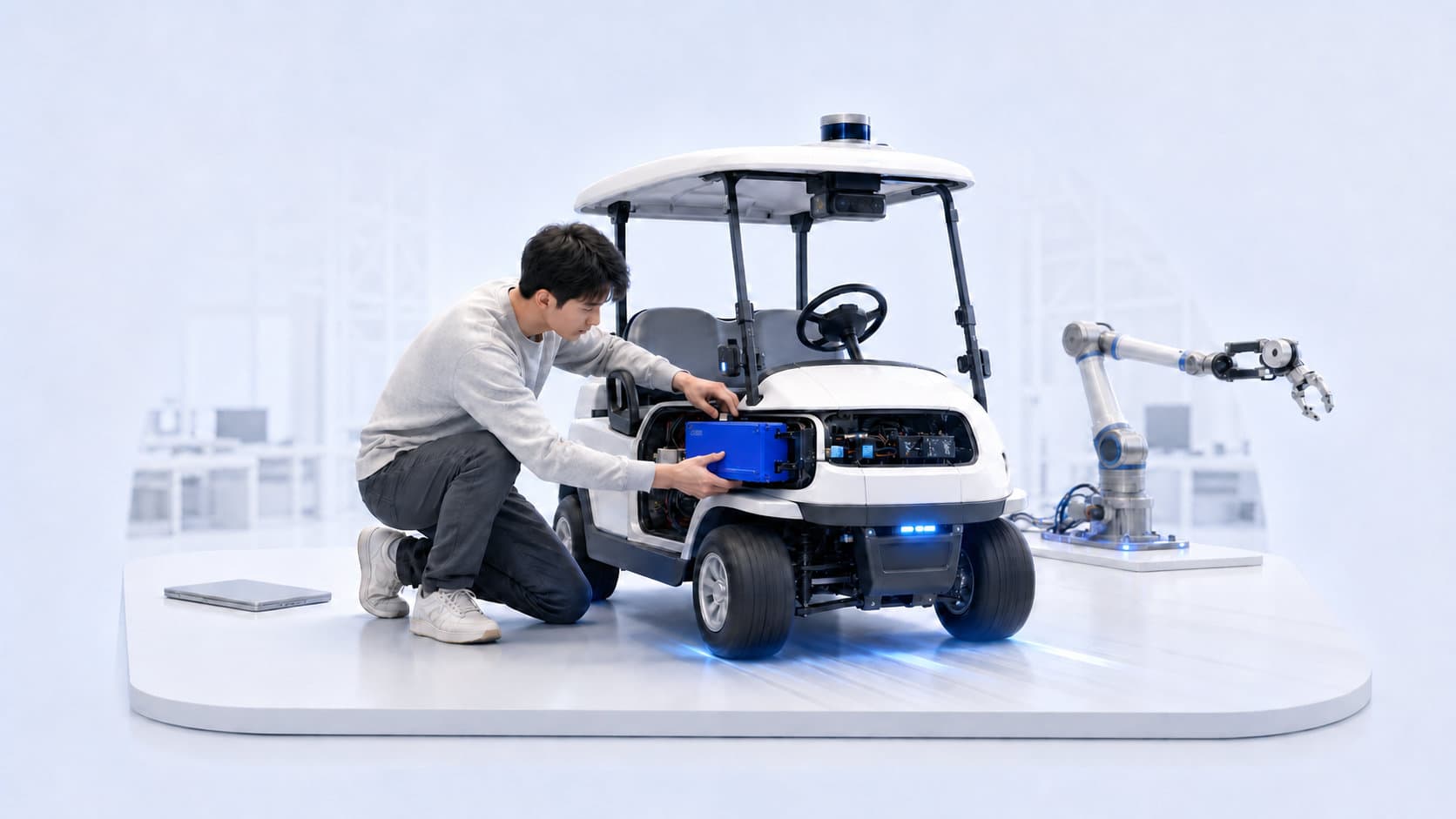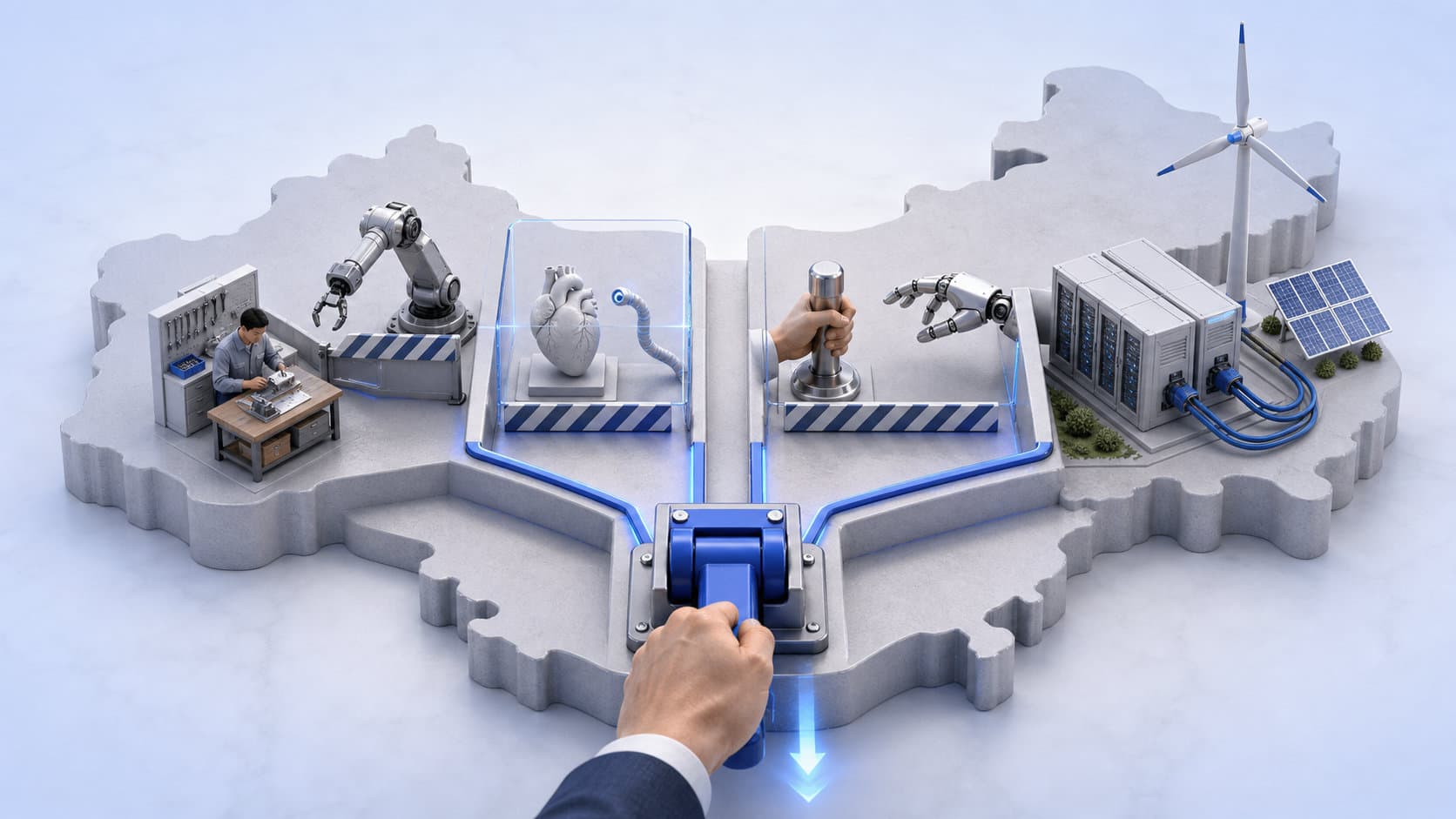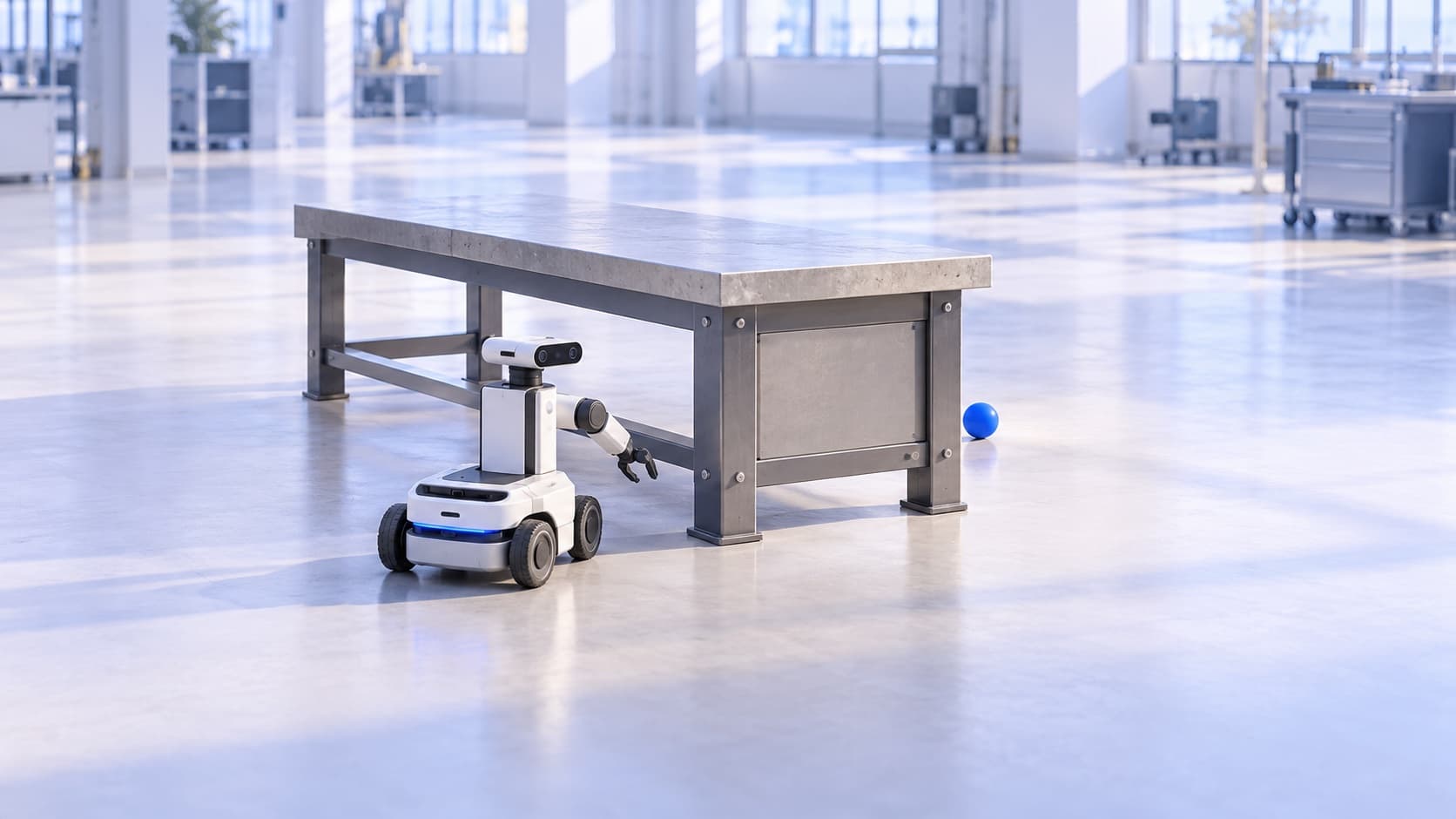
Connecting AI to physical machines looked like one of the few jobs software companies would not touch. AI models learn from text and images pulled from the internet, not from the wiring of a microscope or a robotic arm. Every machine speaks its own language, so hooking up lab or factory hardware usually means weeks or months of writing new code from scratch. Startups built businesses on the assumption that only they could do this work. Anthropic has shown that assumption does not hold.
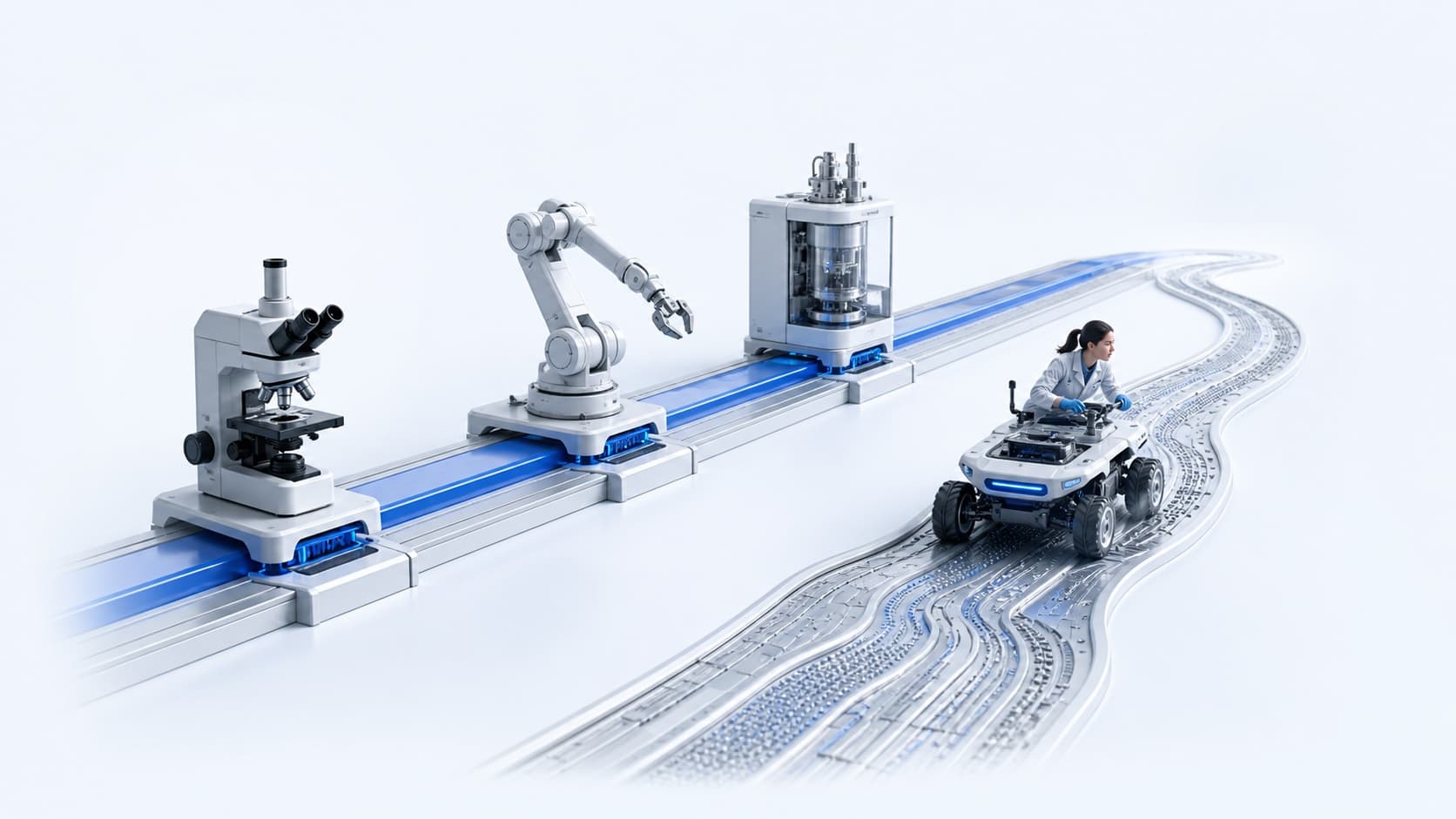
Its Model Hardware Standard, or MHS, lets AI agents, programs that carry out tasks on their own, operate microscopes, robotic arms and the lasers inside quantum computers. The standard gives agents one shared way in, so no engineer writes custom code for each machine and the job shrinks to hours or minutes. It is free during what Anthropic calls a research preview and works with other companies’ AI models too.
At Carnegie Mellon University, researchers connected lab machines including a liquid handler, a plate reader, a robotic arm and cameras. The machines sat on three computers that could not talk to each other, yet through the standard an AI agent ran a full drug-dosing experiment. The work took about eight hours, start to finish, while a vendor building the same setup would typically need several weeks.
Giving the standard away has a clear incentive. For a company selling access to its AI models, reach counts as much as capability. A model that cannot reach a machine is locked out of the business built around it. Anthropic did the same in November 2024 with the Model Context Protocol, a free, open way for its models to reach outside data. By June 2026, it had launched Claude Science, a paid product for the same drug and research customers testing MHS.
For startups that sold themselves as the bridge between AI and physical machines, that bridge is turning into something any AI company offers. What is likely to stay defensible sits outside the standard: models tuned to one machine, data from a company’s own equipment and industries the standard has not reached.
The preview is open only to a small group of partners. Even in the projects already running, the AI agents needed human help to tell when a failure was physical rather than a software bug.