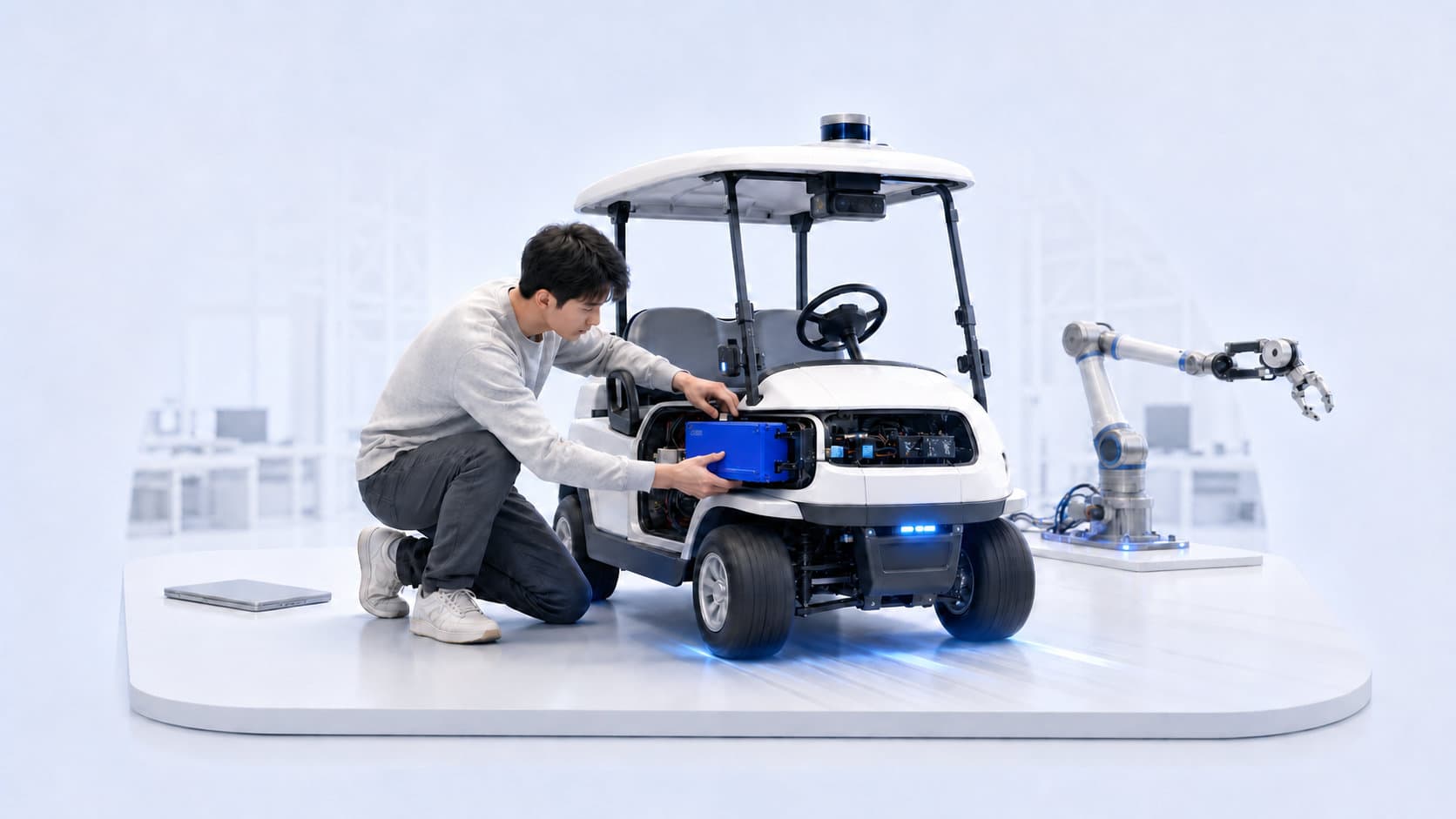
A handful of Stanford students spent a month building a self-driving golf cart, and OpenAI shared their story on its TikTok and Instagram accounts. The students had always used Codex, the company’s coding tool, to describe what they wanted in plain language and let it write the code. They had never used it to build something physical. This time, they had it design mechanical parts, test where those parts would fail and wire the circuit diagrams. It also tuned the driving software that let the cart steer itself around campus.
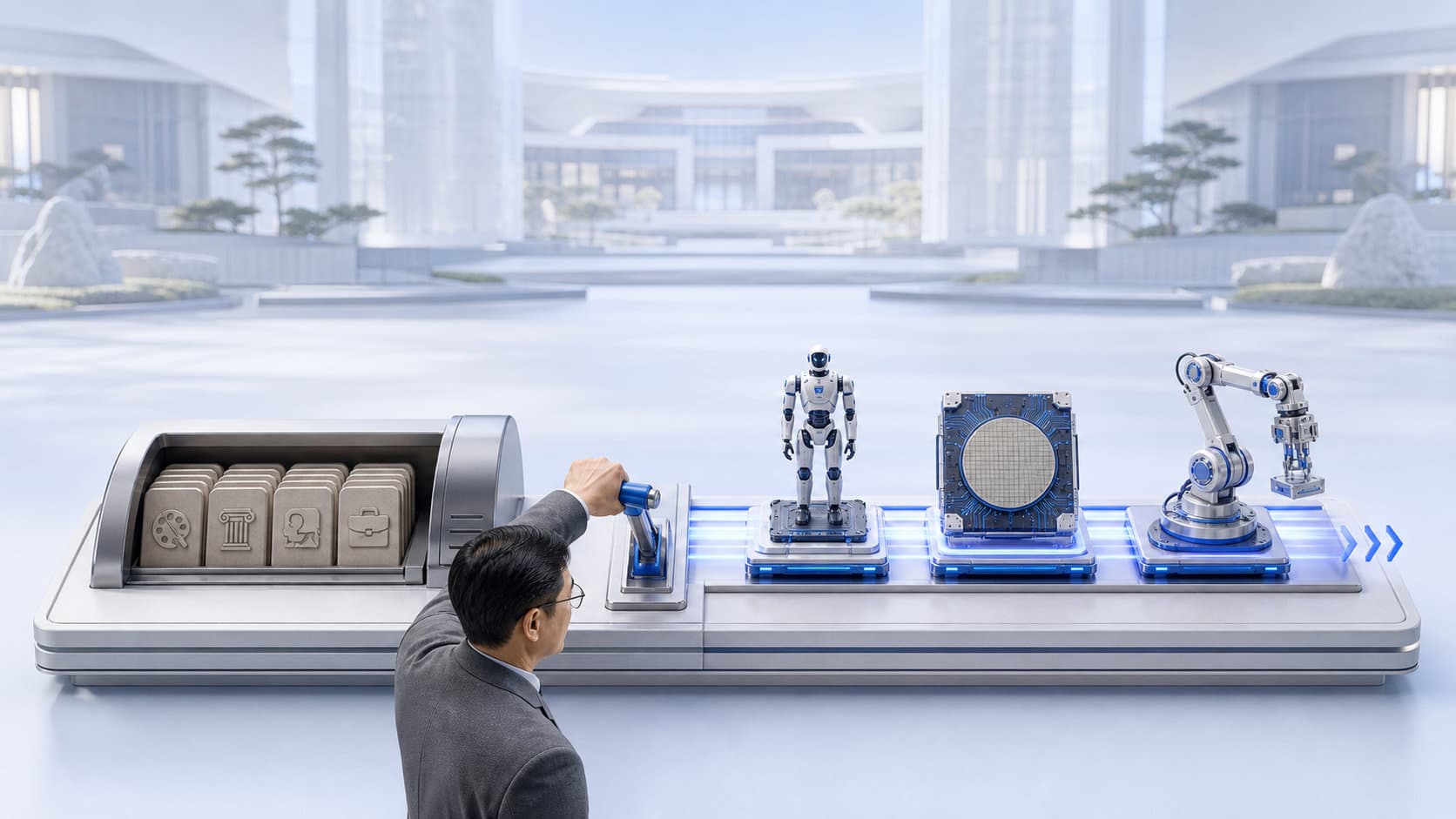
Days later, Sam Altman, OpenAI’s chief executive, posted that OpenAI Robotics was hiring. He wanted engineers to help the company “program and manufacture robots that are useful for society.” In the near term, those robots would support the skilled workers who build data centers and power grids. The longer-term goal, he wrote, is “everyone having a personal robot doing anything they need.”
OpenAI has tried robots before. In 2019, a robotic hand it had trained since 2017 solved a Rubik’s Cube with one hand. In 2021, the company shut its entire robotics team down.
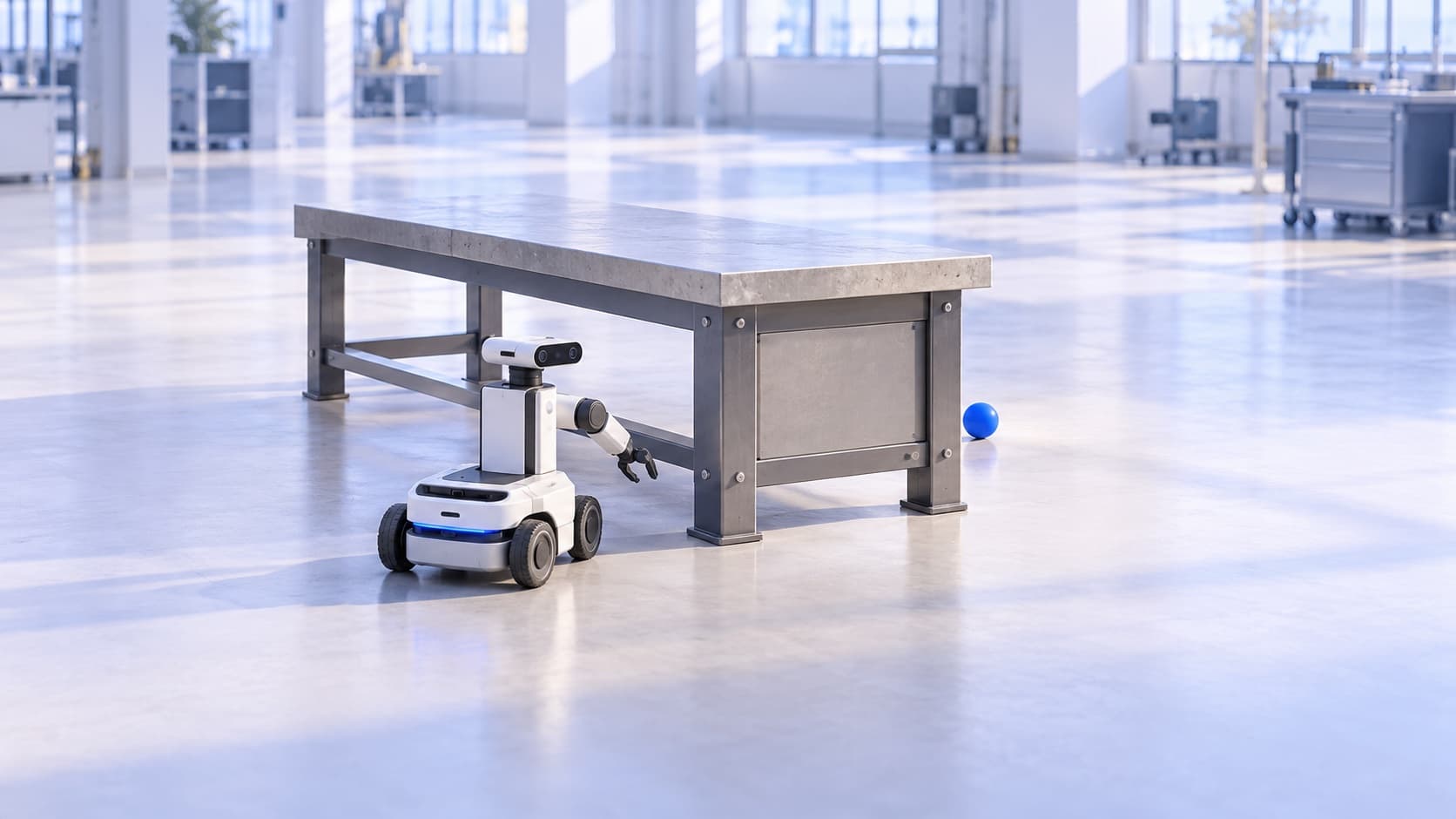
Co-founder Ilya Sutskever explained why on the Dwarkesh Podcast. “Back then, it really wasn’t possible to continue working in robotics because there was so little data,” he said. “If you wanted to work on robotics, you needed to become a robotics company.” Running even a hundred robots was already a giant operation, he said, and it still would not produce enough data to train a model. For robots, in his words, there was “no path forward.”
The supply of data has changed since then, because dedicated systems have emerged to collect it for training robots. Software that predicts how the physical world behaves has matured, along with systems that learn from real surroundings instead of simulation alone. The Stanford cart ran on an openly shared driving system paired with a coding tool, tuned on real campus roads. The missing ingredient Sutskever described was one that five students had working within a month.
He also described a possible path forward, with a warning. It would mean committing to thousands, even hundreds of thousands, of robots and collecting data from them gradually. That commitment, he said, is for people willing to solve the physical and logistical problems that come with machines.