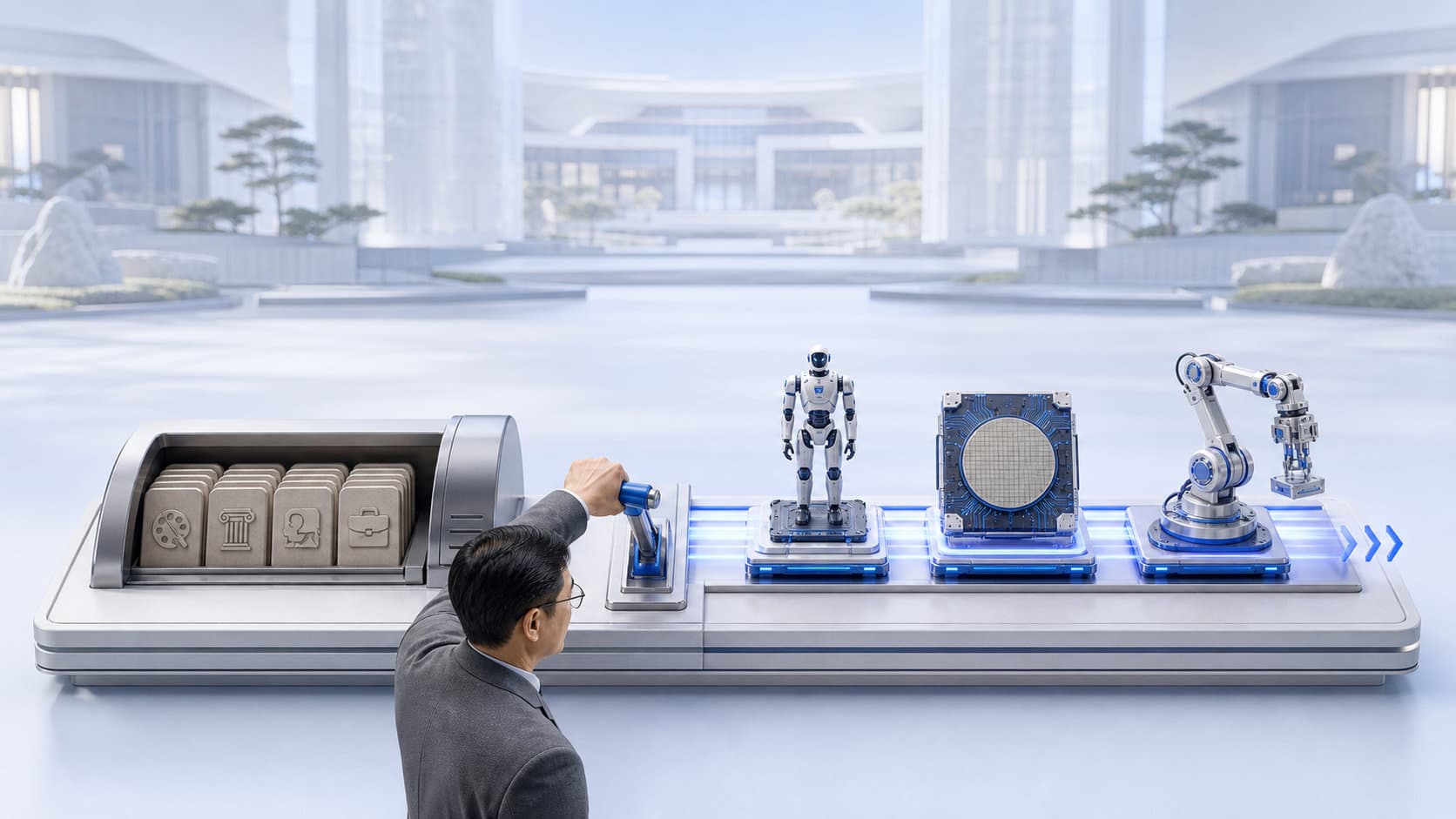
Marketing, Japanese and product design were once ordinary undergraduate degrees in China. Between 2021 and 2025, universities across the country scrapped or suspended 12,200 undergraduate programmes and opened 10,200 new ones. The overhaul touched more than 30 per cent of the country’s degree programmes, according to Ministry of Education figures reported by Xinhua, the state news agency. The heaviest cuts landed on arts, humanities, foreign languages and management, while the new degrees cluster in artificial intelligence, robotics, semiconductor engineering and advanced manufacturing.
Whether graduates find jobs decides which programmes survive. Under a national scheme, provincial authorities list the majors local industry urgently needs and those whose graduates struggle to find work. Twenty-three provincial-level regions identified 520 urgently needed majors and 223 with relatively low employment rates, and universities use those lists as their guide for what to close.
Chinese universities need government approval for the degrees they offer, so the national list of degrees moves as one system. A 2026 survey of 70 universities found eight Japanese programmes dropped from coming intakes. Marketing lost the most ground in 2025, with 16 programmes closed across the same 70 universities.
Behind the reshuffle is a job market that young graduates struggle to enter. China produces more than 12 million university graduates a year, and many end up in work unrelated to what they studied. In March 2026, the jobless rate in cities for 16 to 24 year olds outside full-time education reached 16.9 per cent.
Some closures follow the technology directly. The University of Shanghai for Science and Technology stopped taking new students for product design in 2026. A graduate of the programme said AI had hit the field hard, because software was handling core tasks such as modelling and rendering.
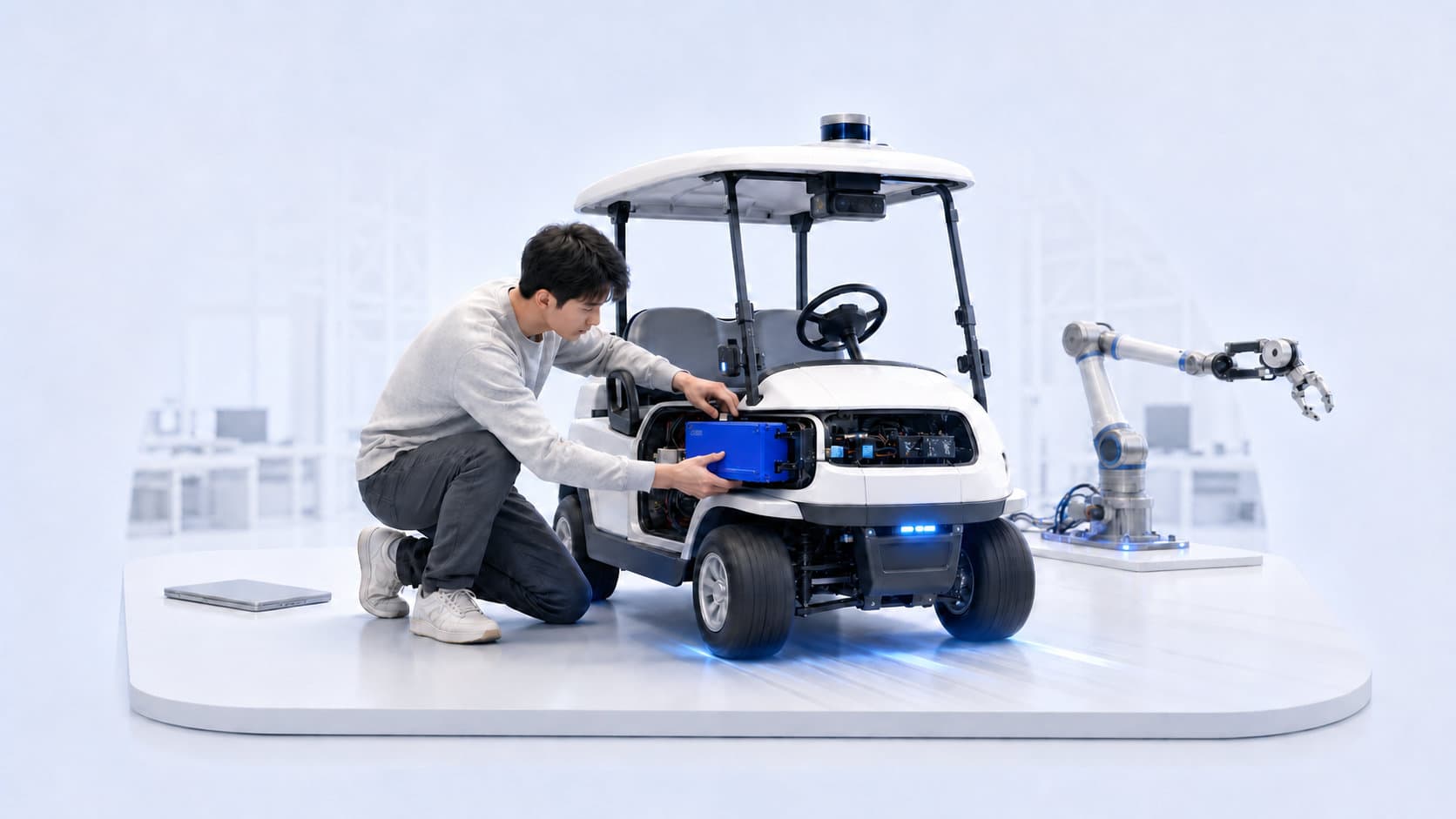
The new degrees read like an industrial plan. In April 2026 the education ministry backed nine universities to open majors in AI built into physical machines, such as humanoid robots, a field China calls embodied intelligence. Most of the 38 new majors approved for the following academic year are in technology or digital fields.
Beijing named the industries first, then rebuilt the degrees to feed them. A student starting university in autumn 2026 chooses from a menu shaped by where the state expects jobs a decade later. The same job figures used to close the old degrees will show whether the new ones lead to work.