Four rival AI companies shipped the same idea within months of each other. OpenAI’s chatbot, ChatGPT, has a toggle next to the chat box marked Work, and Anthropic’s Claude has an option named Cowork. The Grok chatbot carries its own version, called Grok Bot, and Perplexity built the same reach into its Comet browser. The chat window used to only answer questions. In each of these, it sits inside an agent, AI software built to finish tasks on its own.
The turn came in February 2025, when Anthropic released Claude Code, a tool that worked through an entire coding job instead of describing how to do one. It ran from a command line, though, a bare text window for typed instructions that most people outside a technical team rarely use. Every company chasing the idea has since tried to pair that power with the ease of a normal chat window. Early news reports described Anthropic’s own attempt, Cowork, as Claude Code without the need to write code.
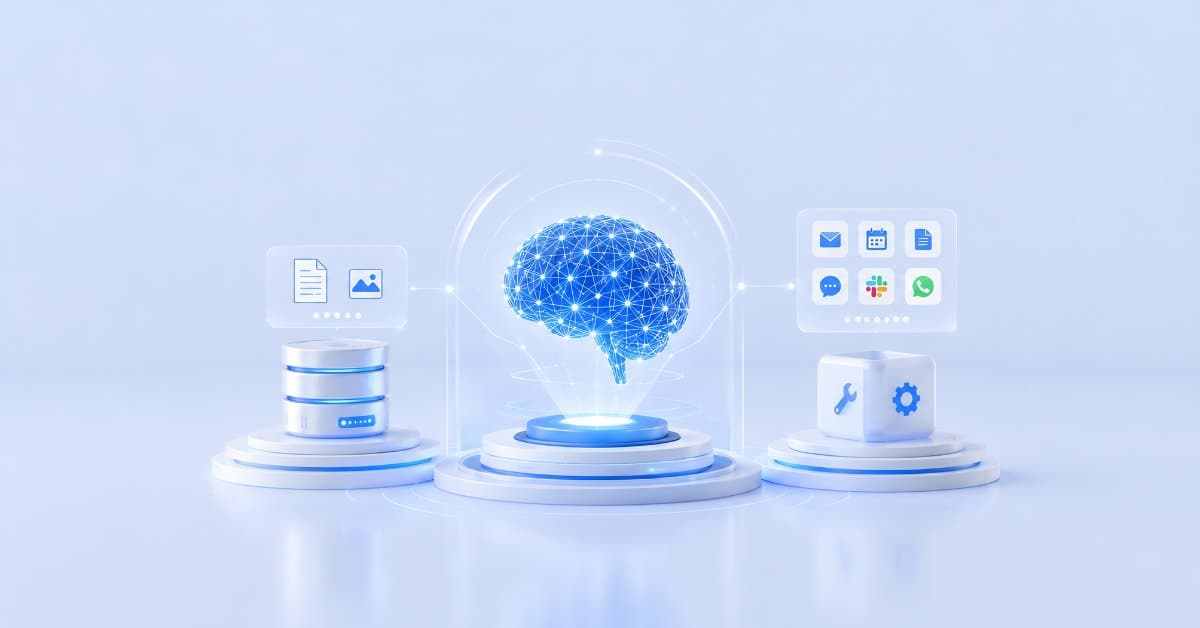
Matching that ease starts with reaching into the software a person already uses. An agent that can open someone’s apps also needs to remember what the person did in them. ChatGPT’s Mac app has a setting for this, Computer History. Switched on, it tracks clicks, keystrokes and app switches and turns them into a running log the assistant draws on, short of recording the screen.
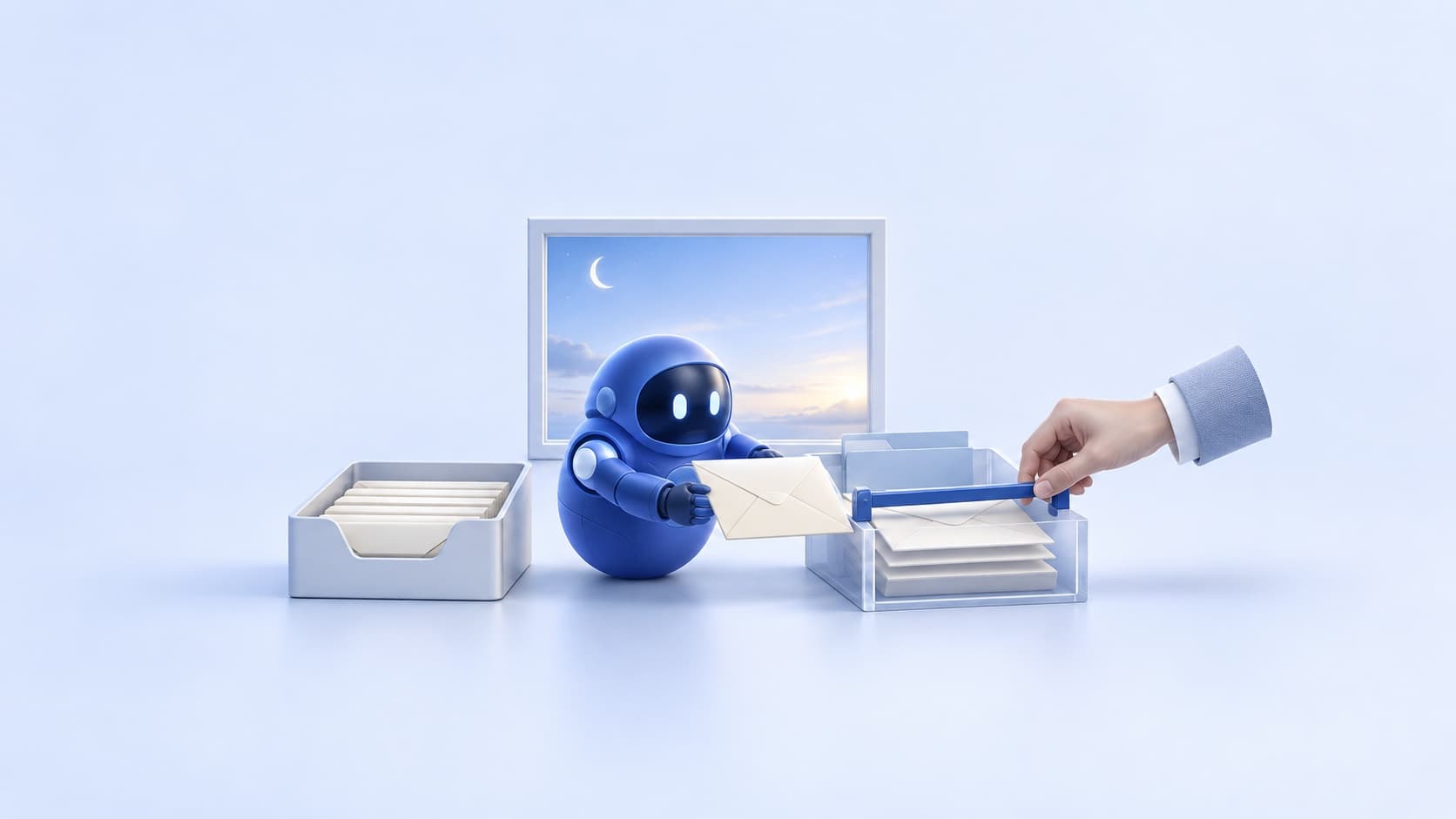
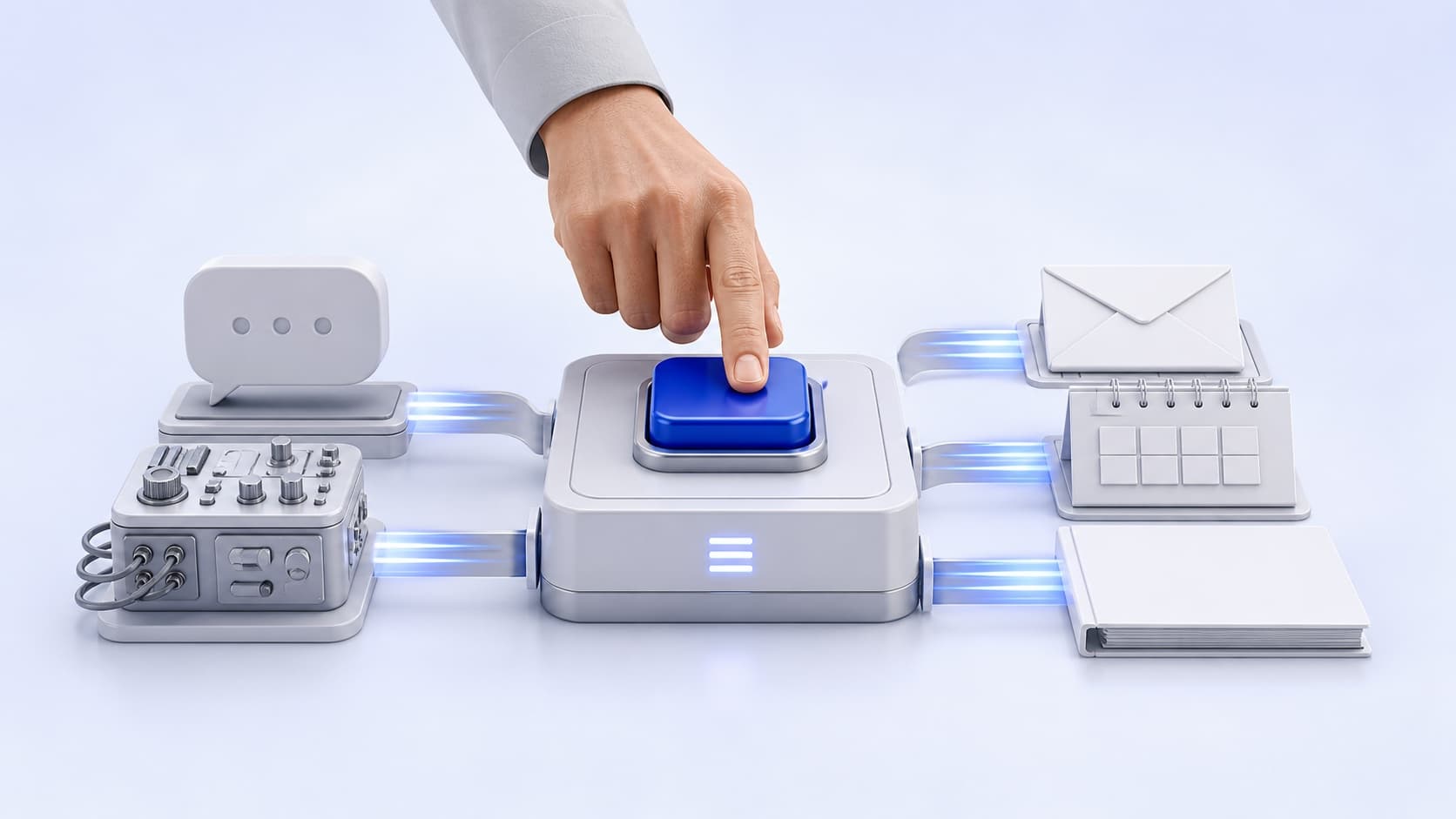
That knowledge pays off once the agent is reachable wherever the person already talks, so agents answer inside Slack, iMessage, Telegram and WhatsApp. They also run on a schedule set in plain language. In Grok Bot, launched in August 2026, a person can tell a named agent to read Slack messages, email and a calendar every morning.
Grok Bot and its rivals give each agent a computer of its own, running online. An instruction to open a website then plays out on a real screen the agent operates. A widely used test called OSWorld gives agents everyday computer tasks, such as opening an app or editing a file, to finish on their own. As of August 2026, the best agent completes 86 percent of the tasks, while human testers working by hand complete 72 percent.
The result comes from one test. Running a computer unsupervised and reliably, on the messy tasks of an actual job, is newer ground for all four companies.