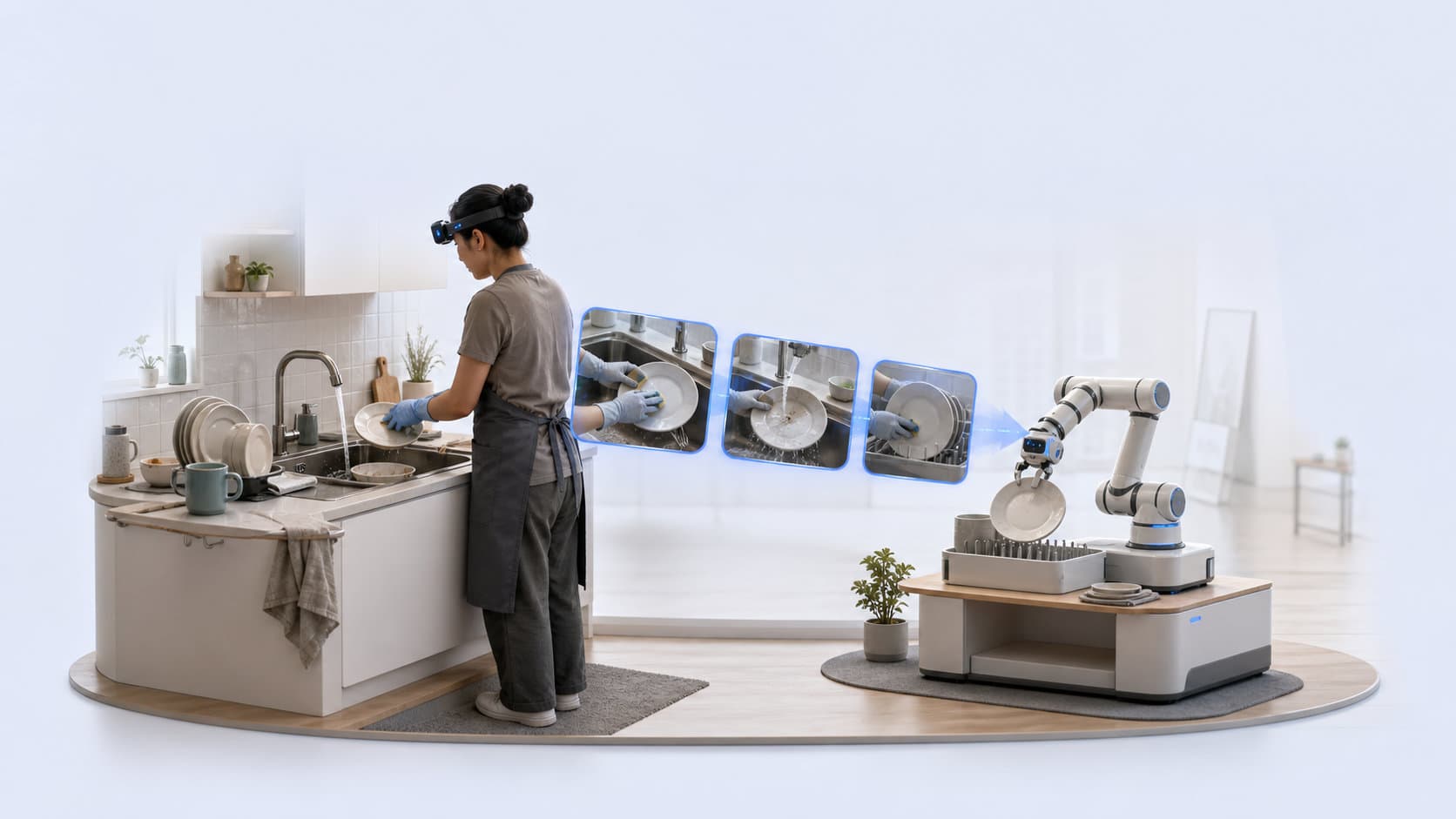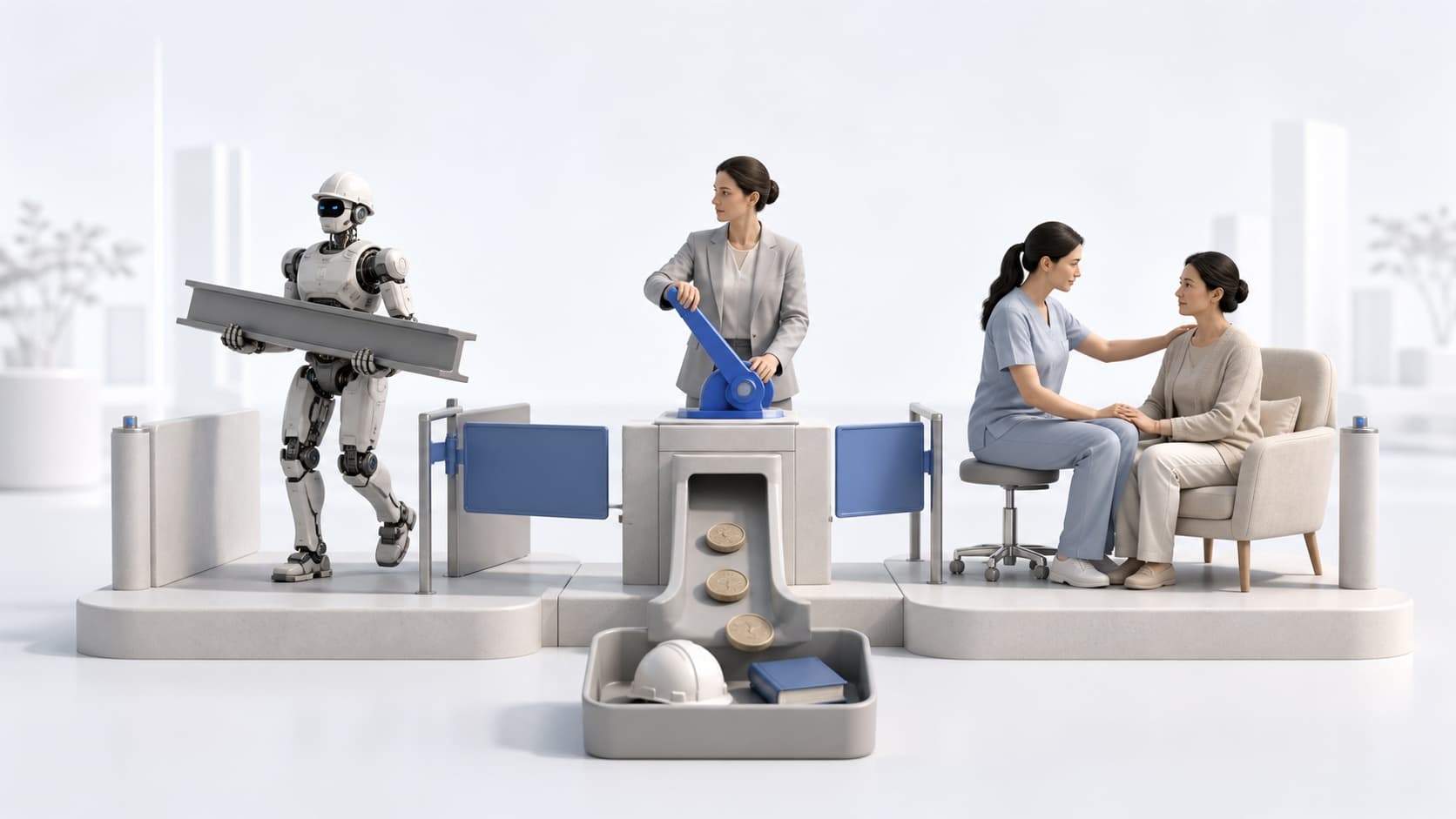
Most of the worry about AI and jobs points to white-collar work: lawyers, programmers, people who answer phones for a living. Bill Gates, the Microsoft co-founder, agrees, but his essay makes three calls that go further. The first opens a front most people are not watching. He expects capable robots to compete with people for physical jobs, such as construction and hospitality, before 2030.
That forecast undercuts the idea that a job built on hands, not a keyboard, is safe. A construction site or a hotel front desk runs on movement, timing and judgment calls once thought beyond a machine. Gates points to fast progress in robotics and says smart robots, his term, could take on some of that work. His timeline leaves far less time to adjust than the one usually given for office automation.
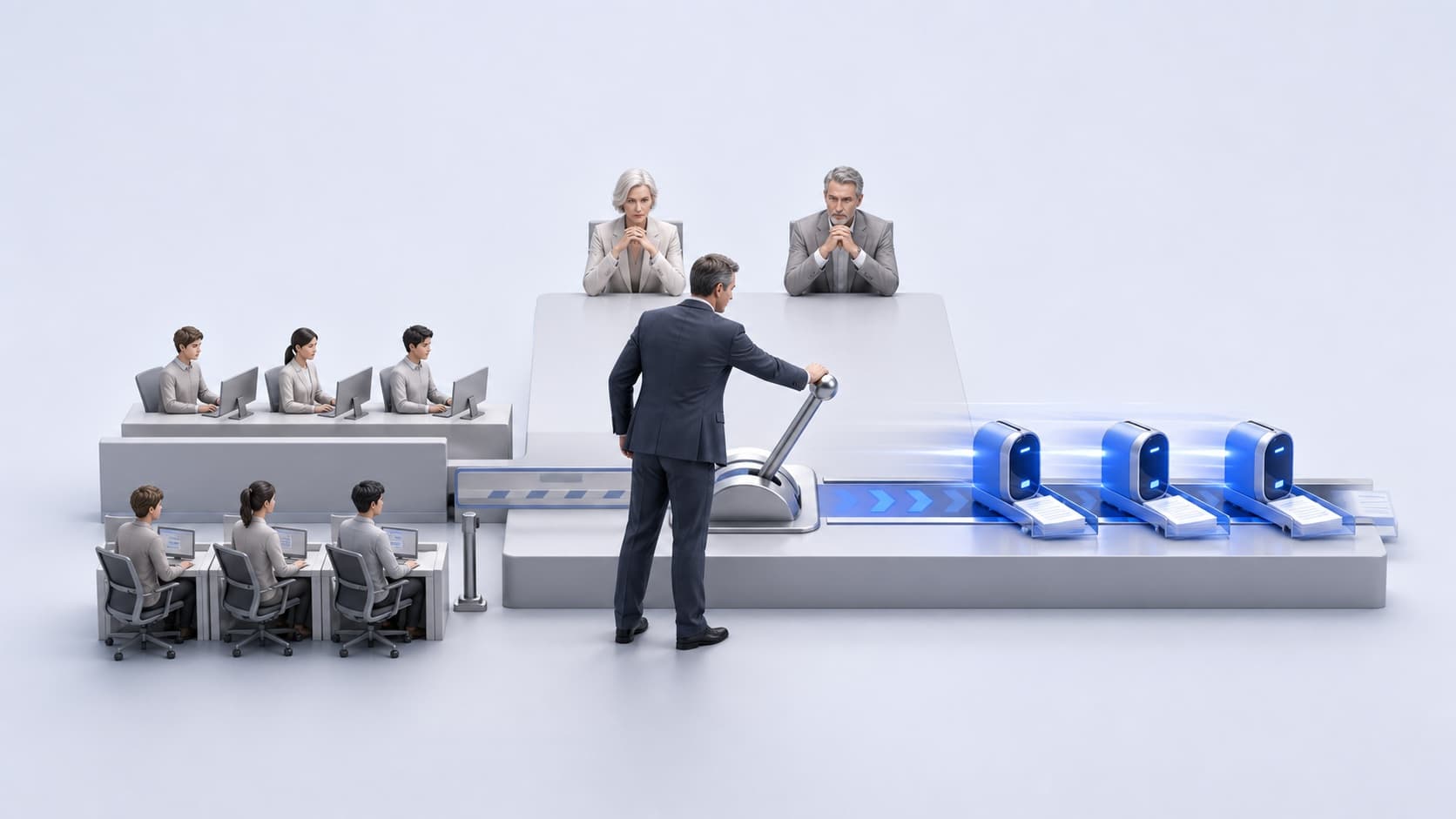
A second call follows from the first. If machines reach further into physical work, Gates argues, some jobs should stay human whatever a machine can do. He proposes setting them aside for people alone, in a category he calls Human Reserved. In his clearest example, a machine can deliver news of an incurable diagnosis, but he says a person should deliver it. A patient in that moment needs comfort from someone who understands what the news means for a life. The decision, in his view, rests on what a person in crisis deserves.
Gates’ third call targets the economics of automation. Employers pay payroll tax on a worker’s wages, but a robot bought to replace that worker counts as a business expense and is written off right away. In his reading, the tax code rewards a company for choosing the machine. His fix is a direct tax on AI use and robots, with the money paying for retraining and safety net programs for people who lose work to automation. The goal, he says, is to slow change enough for workers and institutions to catch up.
The tax he wants does not exist, and Gates calls Human Reserved a starting point for a longer public conversation. It leaves open who decides which jobs get reserved and how that line holds once a machine does the work more cheaply. Nor is it clear what stops a company from using the robot anyway, or what happens when one country protects a job and another does not.