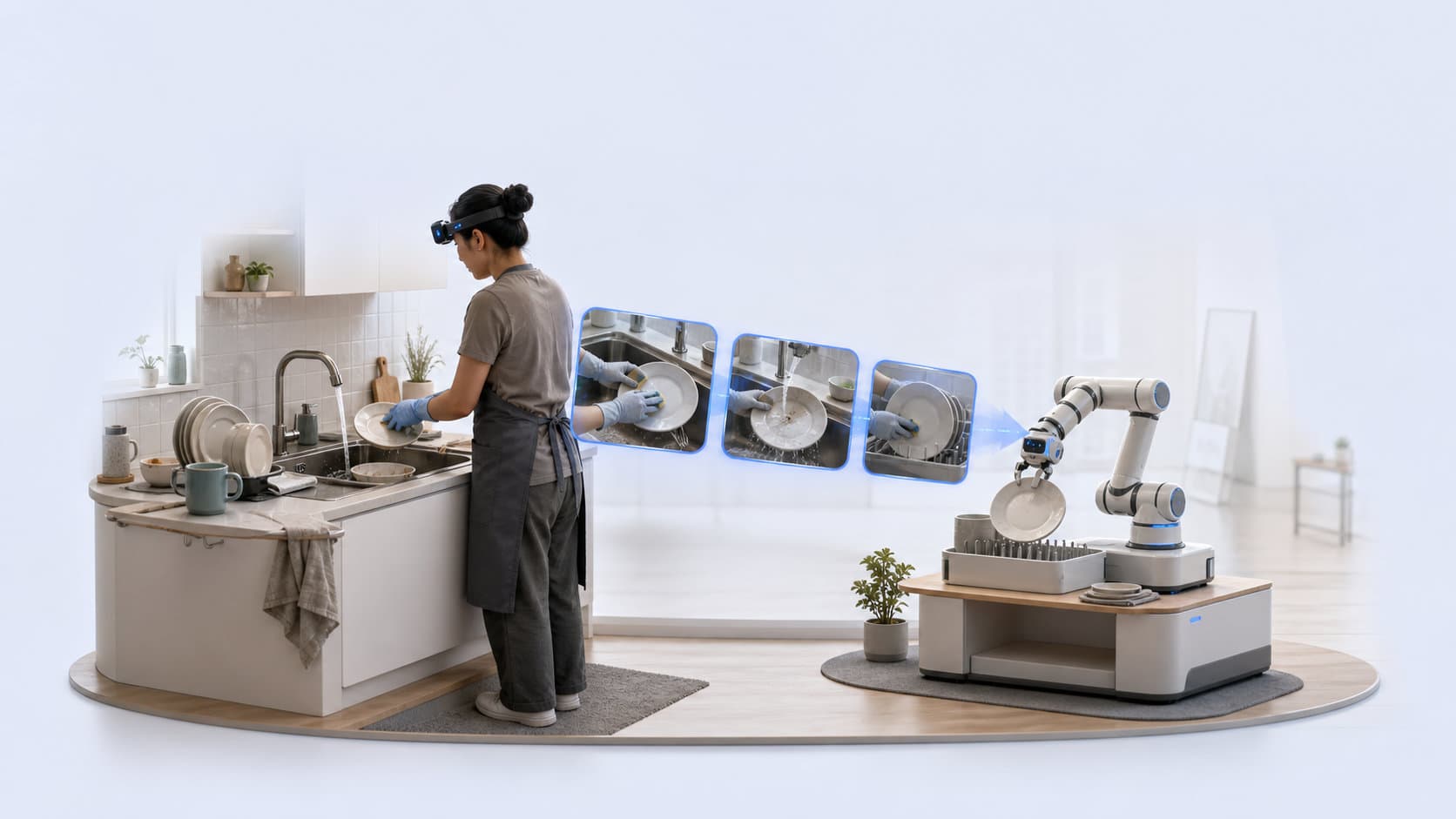
A startup in New York will clean an apartment for free, in a city where a typical visit from a cleaning service costs hundreds of dollars. The only condition is a camera, strapped to the cleaner’s forehead, that records the whole visit. Scrubbing the bathroom, washing the dishes and straightening up the mess all end up on film. The recording is the payment.
The startup, called Shift, sends the footage to its German parent company, MicroAGI, which collects video of everyday tasks filmed through the eyes of the person doing them. It licenses that video to robotics labs that want to see how chores unfold inside a real home. Shift also looks for messier apartments on purpose, because a chaotic kitchen gives more varied footage than a tidy one.
Shift is one of several companies paying for this kind of footage, in cash or in kind. DoorDash runs a separate app called Tasks that pays its delivery couriers to film themselves doing ordinary chores, such as washing dishes by hand or folding laundry. One listed assignment asks a courier to wash at least five dishes while filming, holding each clean plate up to the camera. DoorDash has said the goal is to help AI and robotic systems “understand the physical world.”
Scale AI, a company that supplies robotics firms with material to learn from, has gathered more than 100,000 hours of this kind of video. By Scale’s own account, it is still not enough.
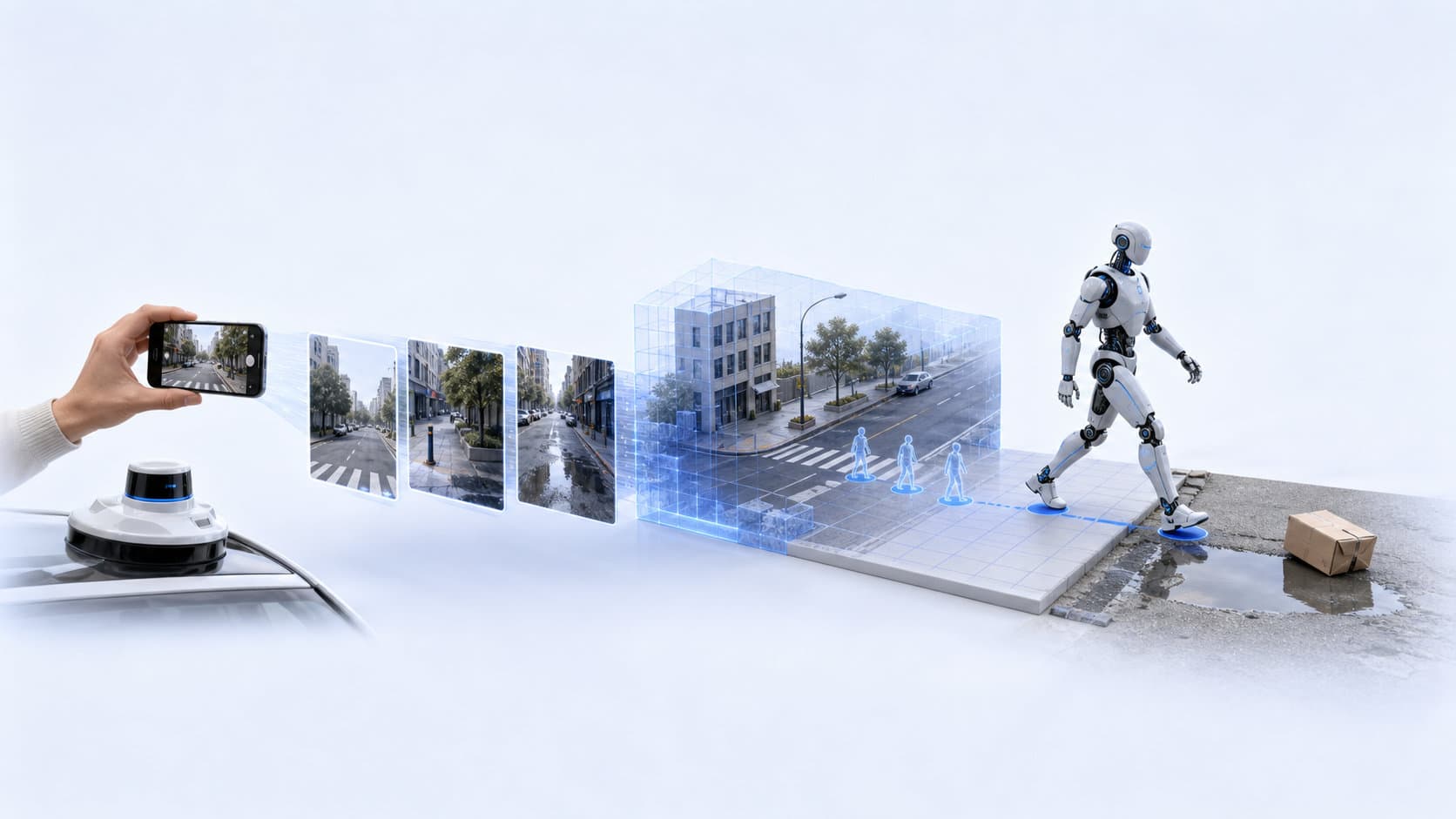
The company has explained why. Text and images already sit on the internet by the billion, free for the taking. Video for teaching robots has to be recorded one task at a time, inside real homes, because homes differ in ways a lab struggles to copy. The dishes are a different shape from one kitchen to the next, the sink is a different width, and a fork ends up hidden under a plate. A robot that has only practiced in one tidy demo kitchen cannot guess what a stranger’s kitchen looks like.
By August 2026, none of the three efforts had produced a robot that folds laundry unsupervised in a stranger’s home.