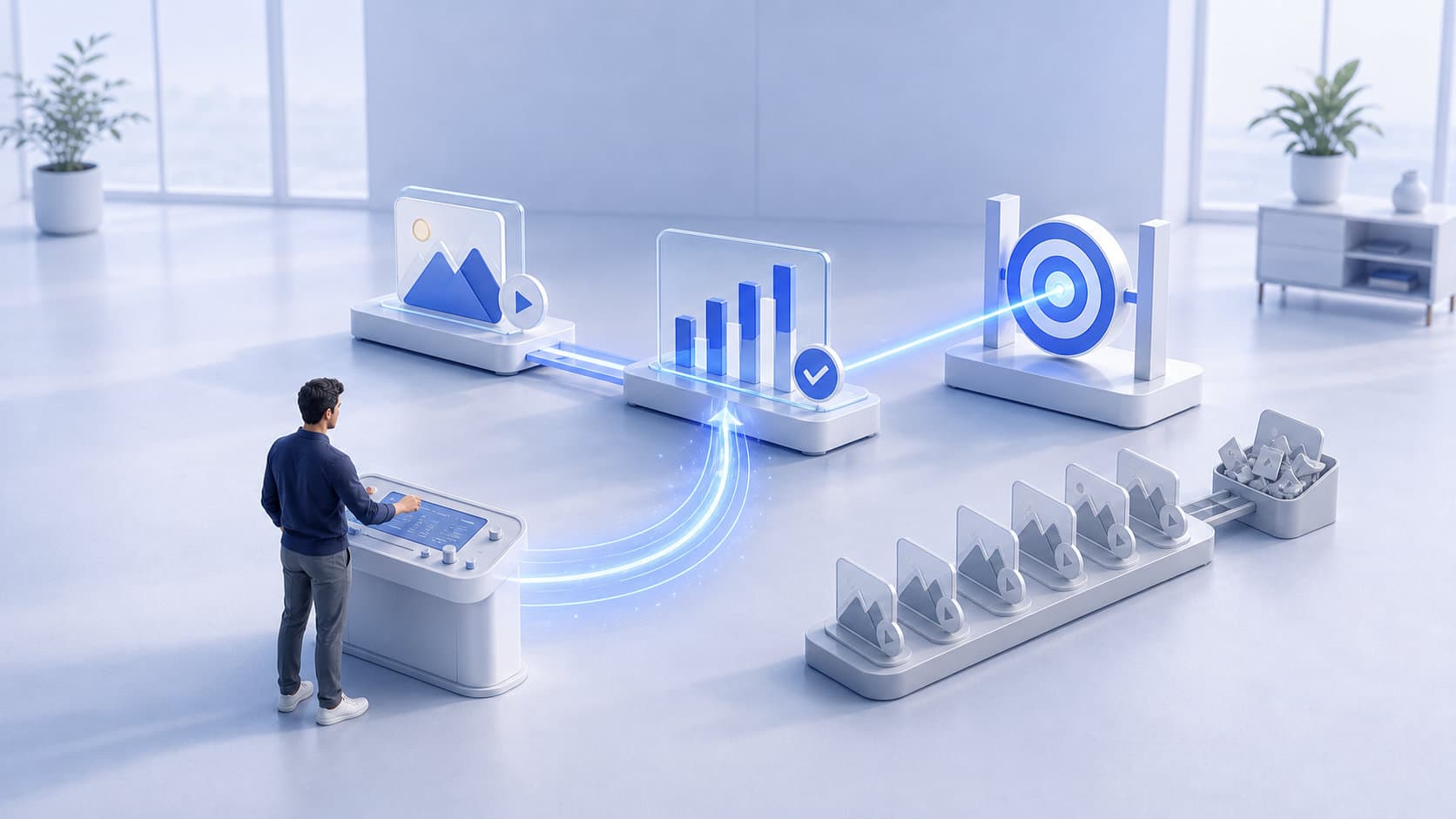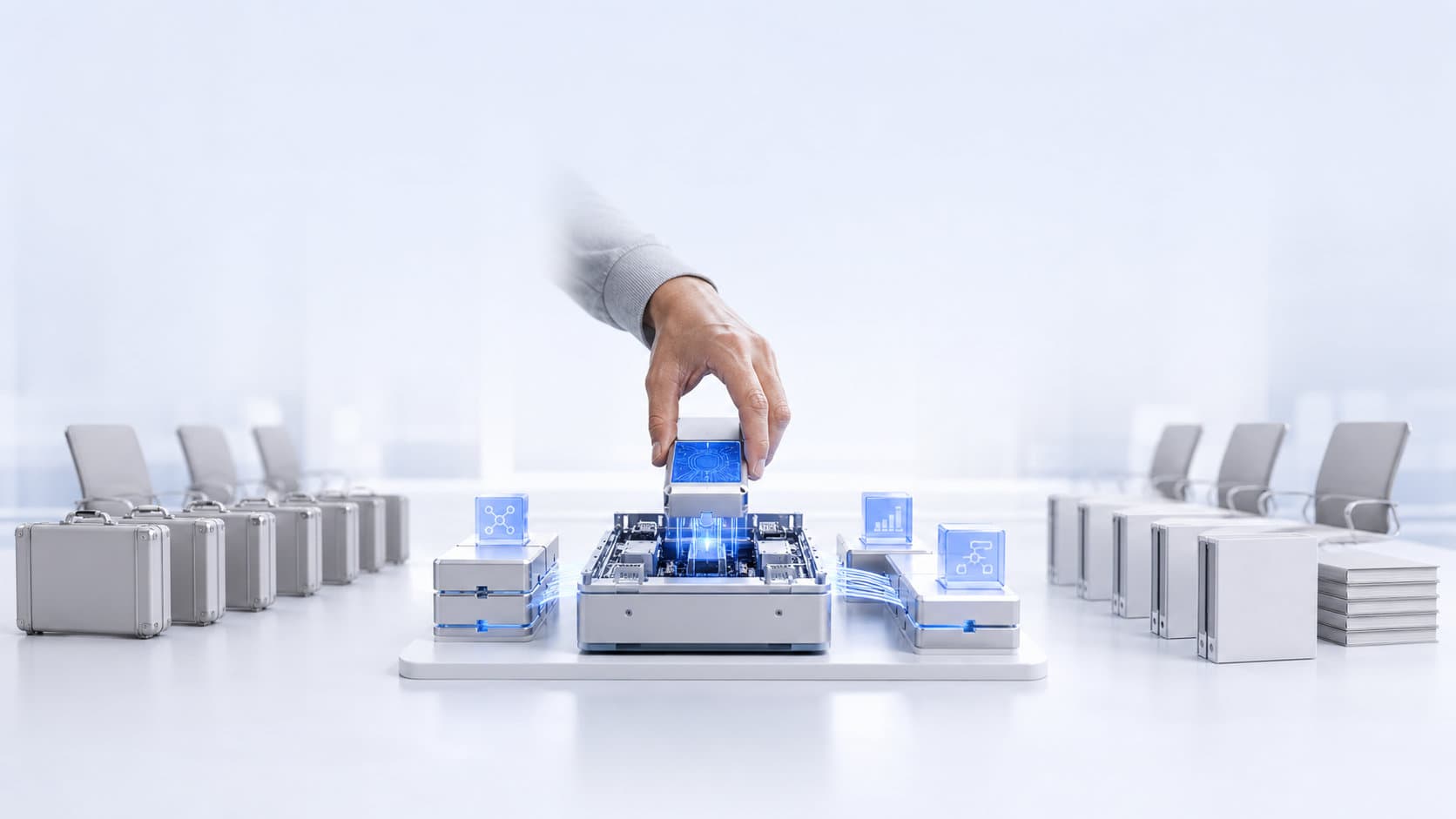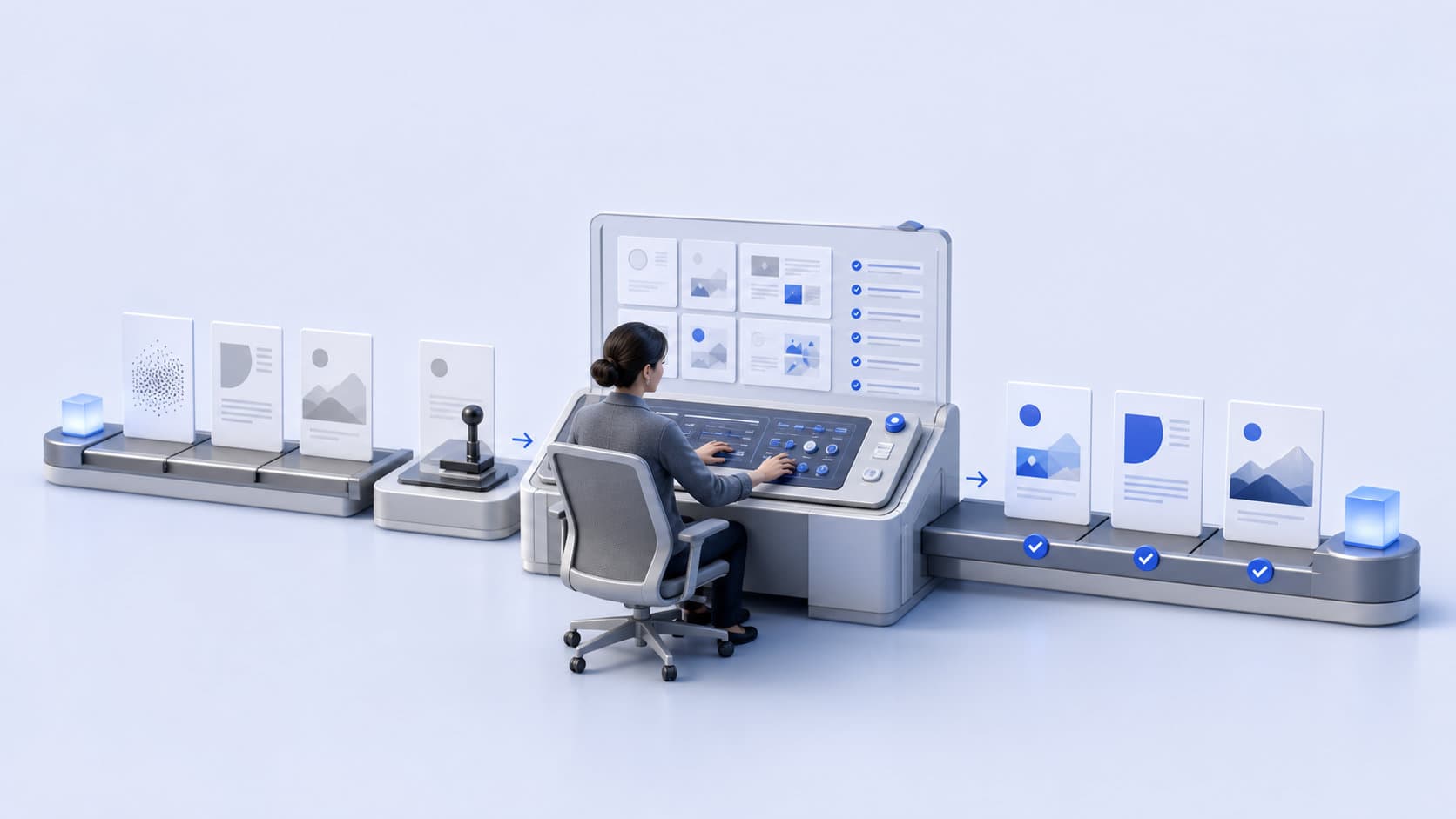
An audit never checks all the numbers. Auditors test a sample of a company’s transactions and sign off on the rest. The signed report lands months after the year closes, when the earliest transactions in it are well over a year old. It is deliberate, part of a design more than 175 years old. AI finally offers a working answer to what kept it in place.
The design traces back to one man. In 1845, William Welch Deloitte opened an accounting office in London and within a year had nearly 100 clients, most of whom he served alone. He could not examine every transaction, so he checked a sample and trusted it to stand for the whole. Sampling became the standard and outlived its reason.
Computers could have ended it. By 1991, a team at AT&T’s Bell Laboratories had built a system that audited the company’s billing data nonstop. It watched every record and flagged any figure that broke the usual pattern. Almost no company then had the database to copy it, so the idea stayed in the lab.
A 2006 trial at Siemens revealed the real obstacle. The monitoring system handled clear yes-or-no rules well, such as whether one employee both created and approved a payment. Everything else needed judgment, and because the software could not tell a real problem from a harmless quirk, it flagged everything. Auditors drowned in alerts nobody had time to read.
The other conditions for a machine-run audit have held for years: digital data, machines that can reach all of it, and cheap storage and processing. Every large firm owns data-analysis software, which hit the same wall. AI supplies the missing judgment. It reads the figures, picks out those worth a closer look and explains why, as a trained auditor would.
So firms are rebuilding the work. PwC is moving its audits onto a platform built around AI. In Australia, the firm plans to fill half of its 2027 audit graduate intake with people who never studied accounting. Almost all its past graduates were accountants. With the machine doing the sampling and first review, the firm needs people who direct it and question its answers.
The false alarms that buried Siemens have not disappeared. An audit has always been a promise that someone competent looked and judged, and the firms building these systems keep a human auditor responsible for every result.