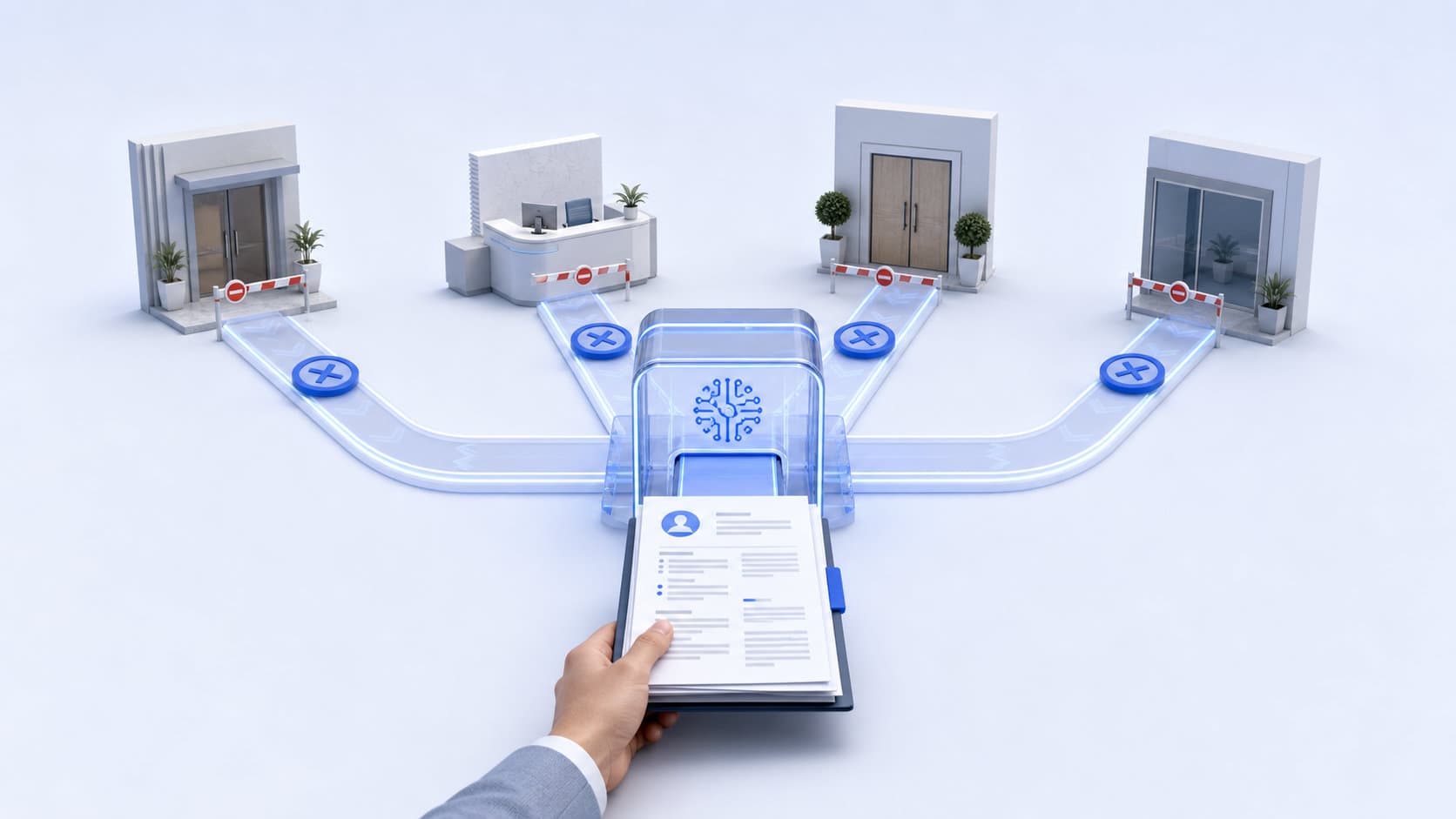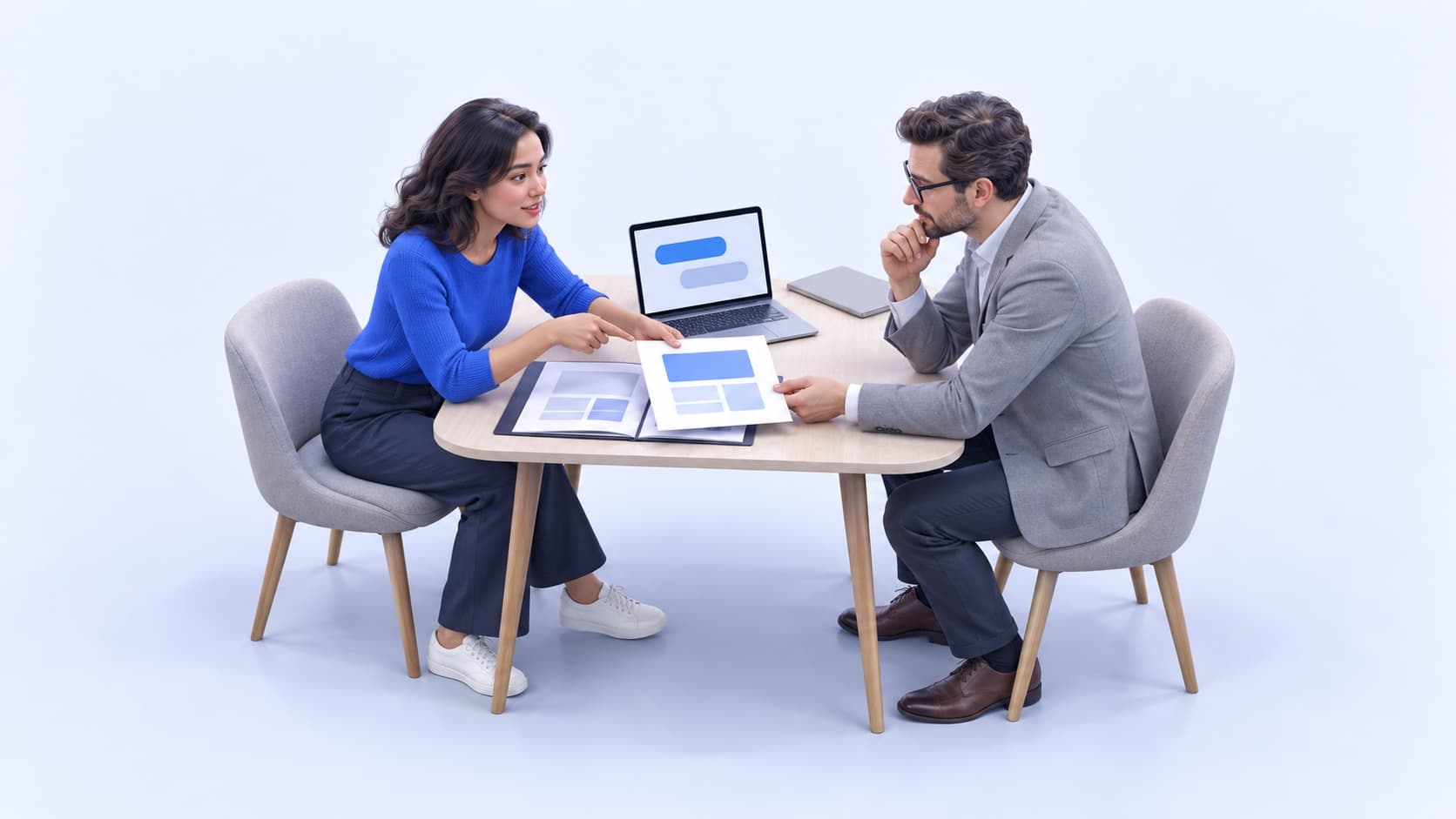
Job seekers run AI tools built to automate applications, matching each resume to the exact keywords in a job posting. Most of them use the same handful of tools to polish their wording. So an application takes seconds to produce and comes out nearly identical to a thousand others. On the World Economic Forum’s Meet the Leader podcast, Jonas Prising, chair and CEO of ManpowerGroup, said applications for a single opening have climbed sharply.
The flood has not made screening more reliable. Speed goes up, but accuracy does not follow. Prising has concluded that a recruiter’s own conversation with a candidate has become the company’s most valuable filter. That conversation cannot be faked as easily as an application.
To make room for those conversations, ManpowerGroup automated scheduling, paperwork and initial sorting. That frees recruiters to spend more time on interviews that decide whether a candidate is a genuine fit. A human always makes the final hiring call, with AI informing the decision.
In those interviews, Prising wants to know whether a candidate uses AI at all, which tools they have tried and what disappointed them about it. A candidate who says AI has never come up in daily life is telling him something specific. It means no applied learning and no curiosity, the opposite of what employers want.
The interview also tests judgment about AI. A candidate who claims AI now handles the whole job, with time to spare by lunch, gets pushed on what the tools still get wrong. ManpowerGroup is testing for critical thinking, the ability to name where the tools fall short as clearly as where they help.
All of this assumes the person across the table is who they claim to be, and machines can fake faces and voices. Colleagues on Prising’s team once received messages carrying his voice and likeness. The fake was good enough to hold a conversation, until one detail gave it away. The fake Prising wore a tie, and the real one rarely does. The experience made him more careful in cross-border hiring, where checking who is on a video call sits next to checking whether they can do the job.