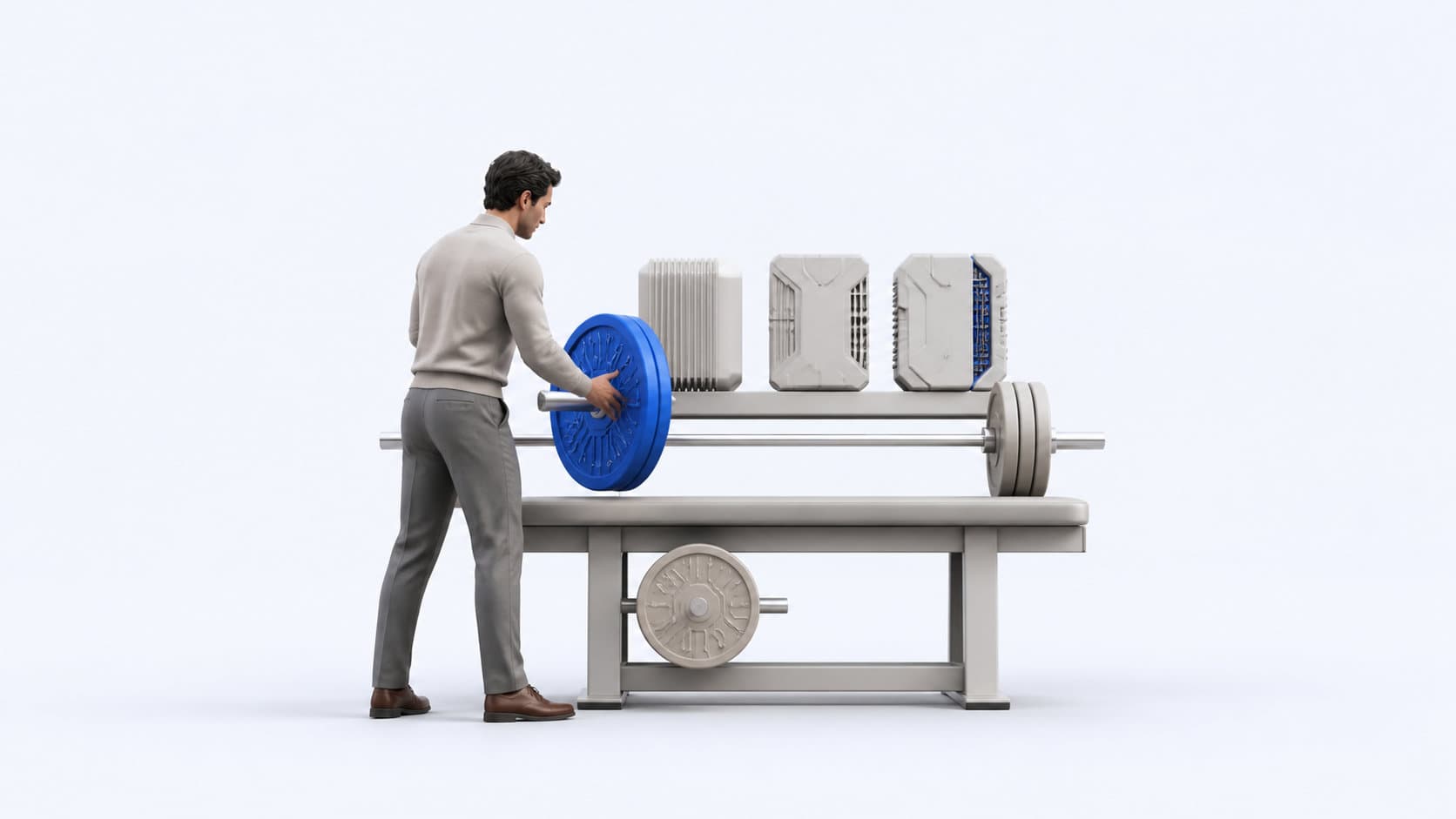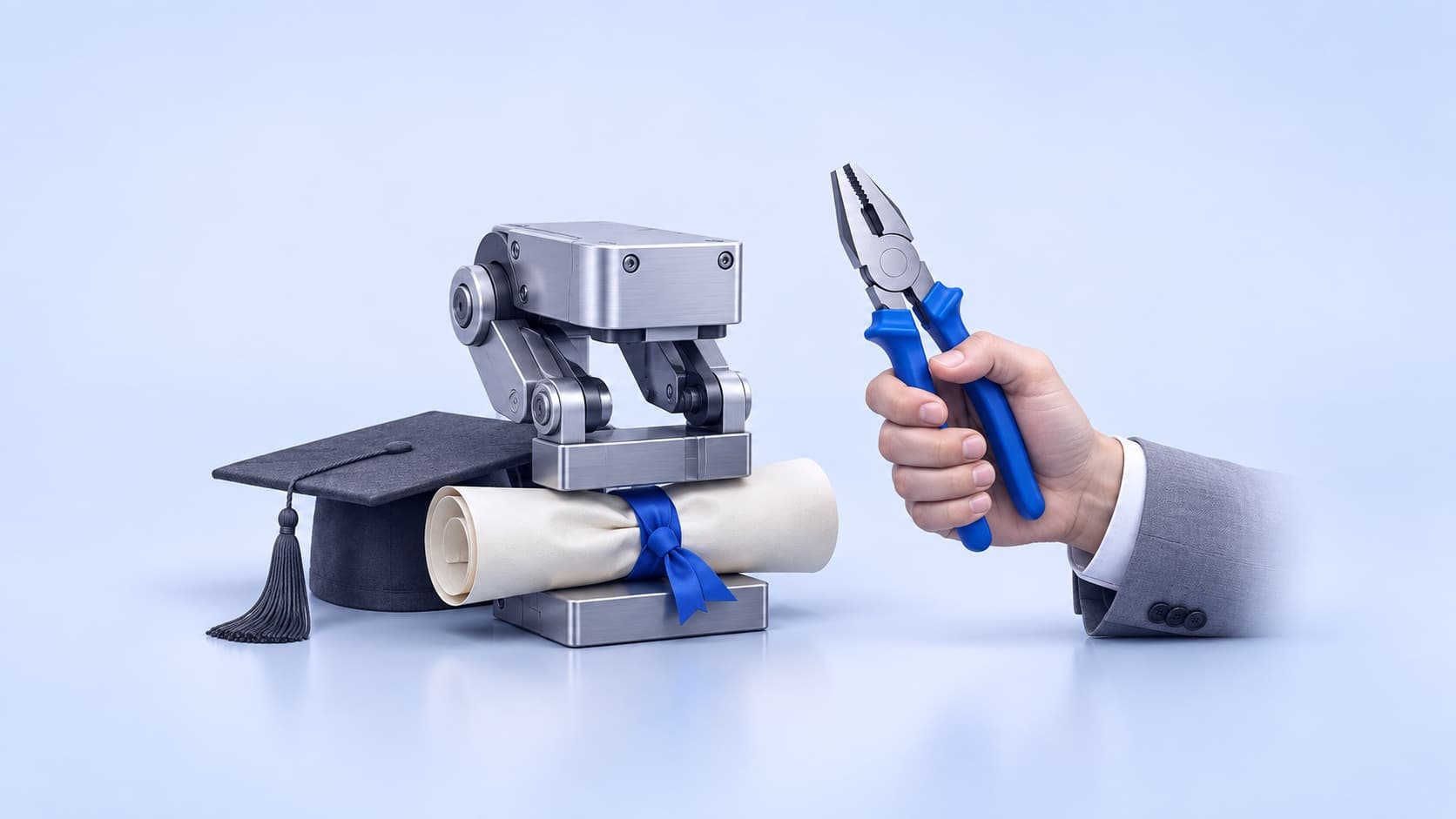
Learning AI no longer sets people apart. EY US is putting $100 million into rewards for professionals who show human skills such as business acumen, judgment and adaptability. The investment supports the argument that workers who pair AI skills with human skills become invaluable to any company.
By the second quarter of 2026, using AI at work was common. A Gallup survey from that quarter found that 52% of U.S. workers used AI in their role, and 15% used it daily. Nearly half, 47%, said their organization had brought in AI tools, up from 41% the quarter before.
The argument for human skills starts with volume. AI tools produce mediocre work in large amounts, so critical thinking, judgment and taste set a worker apart. BetterUp Labs and the Stanford Social Media Lab measured a related problem, AI-made work that looks good but lacks substance, which they call workslop. Examples include slick slides, lengthy reports and code without context. In a September 2025 survey of 1,150 full-time U.S. desk workers, 40% said they had received workslop in the past month.
AI skills still pay. PwC’s 2026 Global AI Jobs Barometer analyzed over one billion job ads in 27 countries and territories. On average, workers with AI skills were paid 62% more than those without them, up from 57% a year earlier. The same release says AI is putting more emphasis on human skills, such as judgment, creativity and leadership. PwC Australia says recruiters are placing more value on candidates who combine technical and human skills.
Employers describe the same mix. The World Economic Forum’s Future of Jobs Report 2025 surveyed over 1,000 employers with over 14 million workers between them. Analytical thinking is still the core skill they want most, while AI and big data top the fastest-growing skills.
At EY, a similar mix runs through two of the three award categories in the firm’s announcement. One covers collaboration and leadership, along with learning and experimentation, and another covers technology, along with innovation, disruption and growth. The August 31 announcement reports no results and does not name AI.
The other numbers have limits too, since the Forum’s forecasts end in 2030 and PwC counted job ads that had already been posted. Neither says which skills will carry the most value beyond 2030.