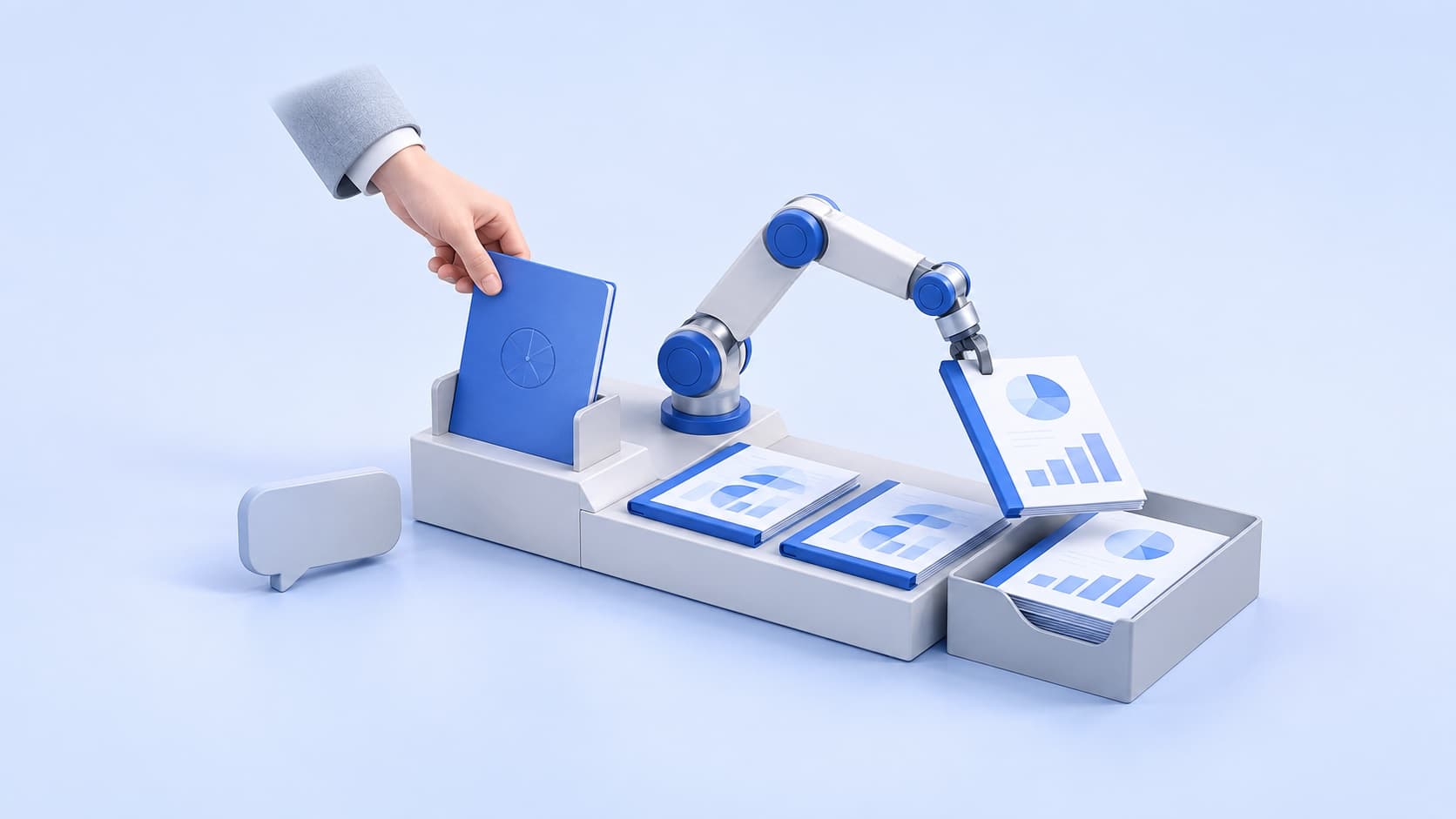
Anthropic’s own economists modelled a 2030 in which the US economy is 32.4 percent larger than it would be without AI. In the same 2030, the number of people working in knowledge jobs falls by over 20 percent. Both results come from the extreme case of three scenarios in a working paper from The Anthropic Institute. The other two cases are labelled modest and substantial.
Knowledge work covers management, professional, sales and office roles, including business and financial operations and legal work. All other occupations form a second group of manual and interpersonal work. The model assumes AI leaves those tasks alone.
In the model, AI takes over a growing share of knowledge work, which raises productivity and displaces workers. The same automation produces both the larger economy and the lost jobs. Displaced workers must look for jobs in other occupations, and in the extreme case nearly one in five knowledge workers is unemployed by 2030. Anthropic’s scenario page says affected workers might stay unemployed for a long time.
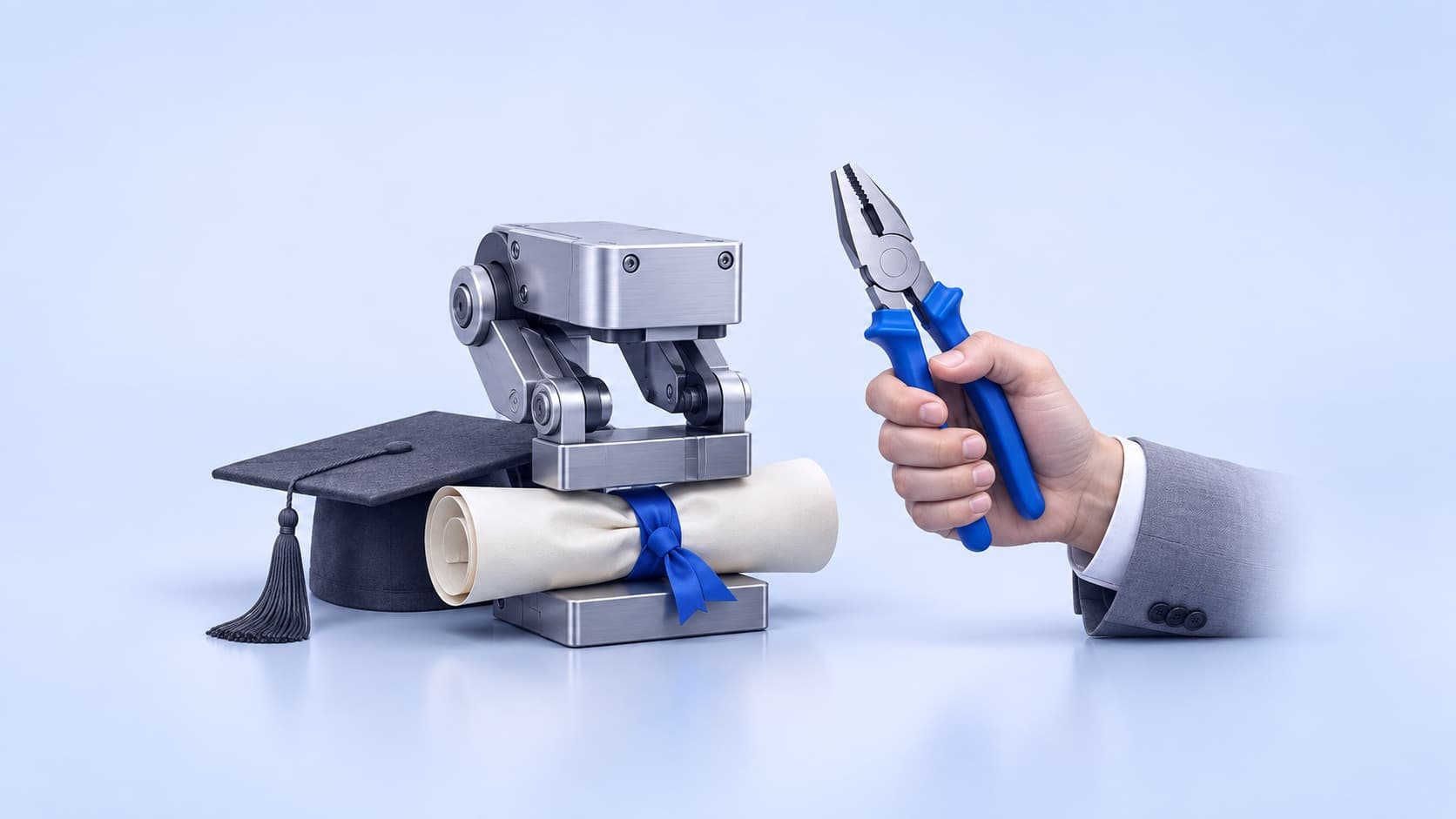
Pay moves in opposite directions. Compared with a 2030 without AI, knowledge workers’ wages end up 11.5 percent lower. Wages end up 34 percent higher in all other occupations, the group some displaced workers must join. The paper’s example is a software engineer trying to become an electrician. The authors say the engineer might struggle to make that move, and that obstacles like this might cause lasting rises in unemployment.
The three scenarios are not predictions, and the authors do not say how likely any of them is. The extreme case is a stress test of what follows if its assumptions hold. It assumes AI fully takes over 90 percent of the tasks it touches and only helps a worker with the other 10 percent. The case also assumes essentially no new knowledge tasks appear for people.
A single job can take the same stress test, because a job is a set of tasks. The scenario page names four things AI can do to a task. It can leave the task untouched, help a person do it better or faster, automate it, or lead to new tasks. A job sits closest to the extreme case when most of its tasks fall into the automated group. Neither a degree from a top university nor a title in banking or consulting moves a task out of that group.